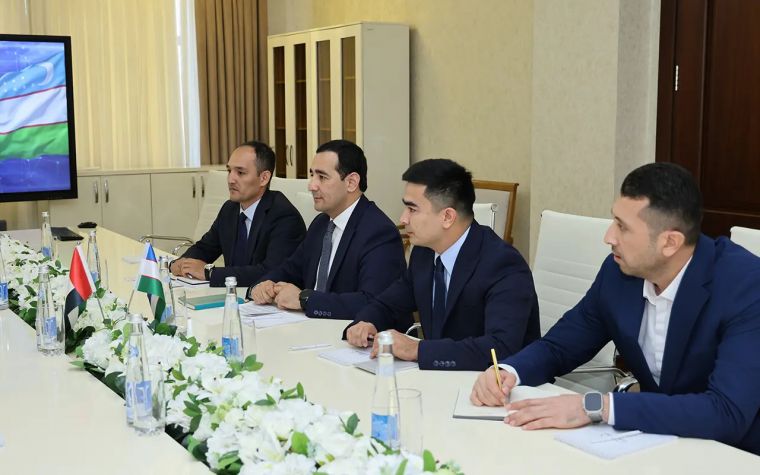
The Tourism Committee of the Republic of Uzbekistan held a meeting with representatives of Air Arabia.
The meeting focused on the current state of cooperation between Uzbekistan and Air Arabia, the airline’s existing route network, prospects for launching new destinations, and opportunities to promote Uzbekistan’s tourism potential in international markets through the airline’s extensive global network.
Currently, Air Arabia’s route network in Uzbekistan includes Tashkent and Namangan. The airline operates 13 flights per week from Tashkent to Sharjah and Abu Dhabi.
The meeting discussed proposals to launch new direct flights to Samarkand, Bukhara, Khiva and other tourism centres, increase flight frequencies on the Tashkent–Sharjah and Tashkent–Abu Dhabi routes, and attract transit tourists from Europe, the Middle East, Asia and North Africa.
Particular attention was paid to promoting Uzbekistan’s tourism on Air Arabia’s digital platforms and in target markets, developing special tourism packages and joint marketing campaigns, and organising familiarisation tours for bloggers, influencers, tour operators and media representatives. In particular, Air Arabia representatives expressed their readiness to provide practical support in organising familiarisation tours to Uzbekistan, including covering airfare expenses for participating influencers and bloggers.
The meeting also noted the growing number of tourists from Europe visiting Uzbekistan and emphasised the importance of more actively promoting the country’s tourism potential in these markets. The sides agreed to cooperate on placing informational materials about Uzbekistan’s tourism potential and destinations on board Air Arabia aircraft and promoting them among passengers in Europe and other target markets.
The company also expressed its readiness to support the “Umrah Plus” project and cooperate in developing this area as a separate tourism product.
Air Arabia representatives noted that Uzbekistan has undergone significant changes in the tourism sector over the past decade. They highlighted the growing number of modern high-end hotels, the expansion of accommodation facilities and significant improvements in tourism infrastructure.
Following the meeting, a number of practical agreements were reached aimed at increasing tourist flows and developing tourism through expanded air connectivity. Implementing these agreements will help attract tourists from new international markets by making effective use of Air Arabia’s extensive international route network, expanding the geography of air services and further promoting Uzbekistan’s tourism potential internationally.
Air Arabia representatives were also invited to participate in the 31st Tashkent International Tourism Fair “Tourism on the Silk Road”, which will be held in November. Company representatives were also invited to take part in the Investment Forum and MICE Tourism Conference to be held as part of the fair.



 Iman
Iman  Prayer
  Fasting
  Zakat
Zakat  Haj
Haj  Qur`an
  Lessons of Islam
  Contact