News
Popular Pakistani TV Channel showcases Uzbekistan’s Unique Tourism Appeal
25.09.2026
128123
2 min.
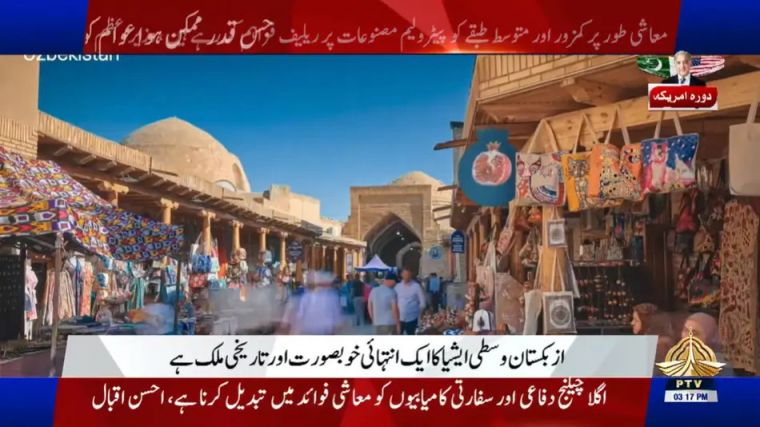
Pakistan's state television channel, “PTV”, broadcasted a special program dedicated to the rich tourism potential of Uzbekistan, reports Dunyo IA correspondent.
As part of the program, Pakistani viewers were presented with materials regarding the unique historical and cultural heritage of our country, ancient cities, architectural monuments, national traditions and modern opportunities for travel and recreation.
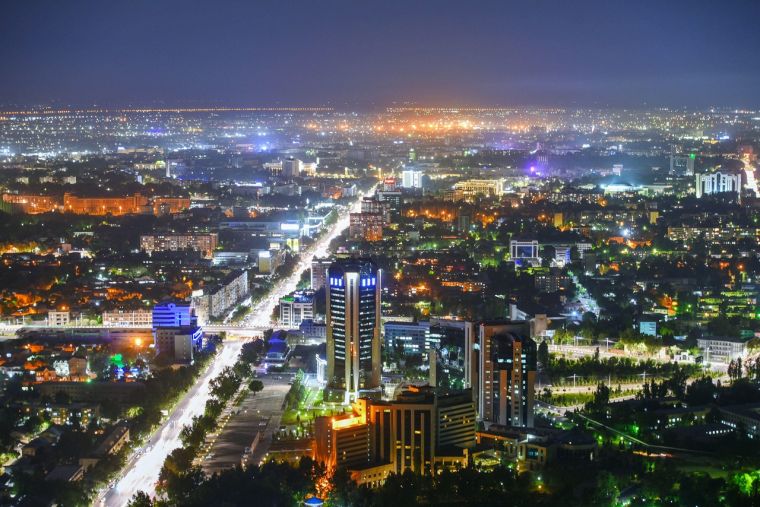
Special attention in the program was focused on Samarkand, Bukhara, Khiva, and Tashkent – cities that combine a rich historical heritage and dynamic modern development.
In particular, the audience was informed about the ancient cities of Uzbekistan that played a significant role in the history of the Great Silk Road, architectural ensembles, cultural heritage sites and national craftsmanship traditions, which continue to shape the unique tourism identity of the country today.
Separate segments were dedicated to the natural and climatic opportunities of Uzbekistan, as well as the development of pilgrimage, cultural-historical, and recreational tourism. It was emphasized that the diversity of tourism products and the favourable conditions created for travellers contribute to enhancing the country's attractiveness for guests from various nations.
During the broadcast, it was also noted that the national cuisine of Uzbekistan, the hospitality of the Uzbek people, and rich cultural traditions serve as important factors contributing to the popularization of the Republic as a tourism destination.
Broadcasting of the program on “PTV”, which commands an audience of millions, marked another step toward promoting the tourism potential of Uzbekistan in Pakistan and attracting the attention of Pakistani tourists to travel opportunities in our country.
SHARE INFORMATION ON SOCIAL NETWORKS



 Iman
Iman  Prayer
  Fasting
  Zakat
Zakat  Haj
Haj  Qur`an
  Lessons of Islam
  Contact