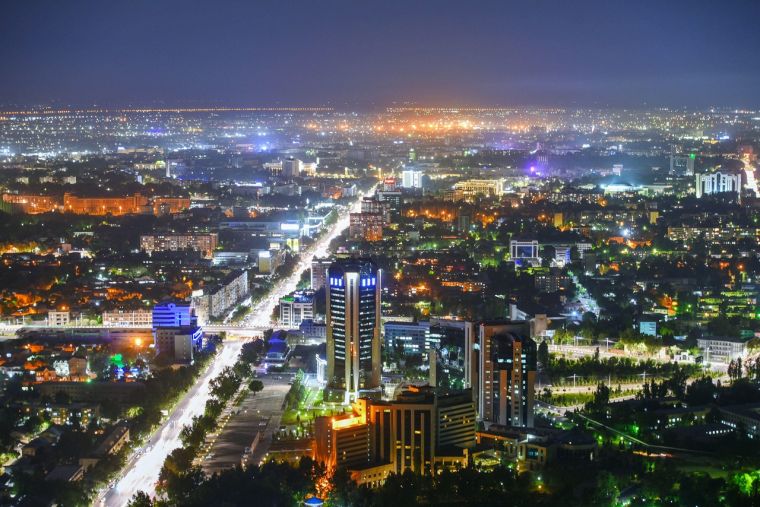
A reception organized by the Embassy of Uzbekistan in cooperation with representatives of the Tourism Committee of Uzbekistan and “Umrah Plus” International Tourism Association (UPITA) was held in the Egyptian capital, reports Dunyo IA correspondent.
Event aimed to promote the tourism potential of Uzbekistan, increase the flow of Egyptian tourists, and develop bilateral cooperation in the tourism sector.
Reception was attended by the Vice Minister of Tourism and Antiquities of Egypt Yomna Elbahar; Assistant Minister of Endowments (Awqaf) for Preachers' Affairs of Egypt Dr. Fatma Anter; Leadership of the Egyptian Federation of Tourist Chambers; President of UPITA Sherzod Sami, diplomats accredited in Cairo, representatives of tourism companies, media outlets, bloggers and other guests.
In his speech, Ambassador of Uzbekistan detailed the comprehensive reforms being implemented in the country to develop the tourism industry, create modern infrastructure, and expand international tourist routes. He emphasized that under the leadership of President Shavkat Mirziyoyev, tourism has become one of the key priorities of national development.
Particular attention was paid to the rich historical and cultural heritage of Uzbekistan and the broad opportunities for pilgrimage tourism. The Ambassador invited Egyptian tourists to visit Samarkand, Bukhara, Khiva and Tashkent to explore the country's centuries-old history, architectural landmarks
Vice Minister of Tourism and Antiquities of Egypt, Yomna Elbahar, noted the long-standing friendly relations between Egypt and Uzbekistan, as well as the mutual interest of both parties in further strengthening cooperation in the tourism sector. She highlighted the richness of the historical, cultural, and spiritual heritage of the two nations and expressed the readiness of the Egyptian tourism industry representatives to develop practical interaction with Uzbek partners, expand business ties, and create new tourism products.
According to her, a sustainable partnership should be built on mutual trust, adherence to professional standards and provision of high-quality services. She also expressed her gratitude to the Embassy of Uzbekistan for organizing the event and voiced hope for the initiation of a new phase in bilateral cooperation.
President of UPITA Sherzod Sami, announced plans to host the “Tourism Expo” exhibition in Egypt in June 2027. The exhibition is expected to showcase the tourism potential of Uzbekistan, establish direct contacts between tour operators of the two countries, and explore opportunities to increase the number of Egyptian tourists visiting Uzbekistan.
Positive dynamics of tourism exchanges demonstrate significant potential for the further expansion of cooperation. In 2026, the number of Egyptian citizens who visited Uzbekistan exceeded 7,000, nearly doubling compared to the previous period.
A significant outcome of the event was the signing of a Memorandum of Understanding between the Egyptian Federation of Tourist Chambers, “DAHAB” tour operator and UPITA, aimed at developing cooperation in the field of tourism. Agreement is expected to strengthen ties between tour operators, facilitate the development of joint tourism products and increase the mutual tourist flow.



 Iman
Iman  Prayer
  Fasting
  Zakat
Zakat  Haj
Haj  Qur`an
  Lessons of Islam
  Contact