The site is working in test mode!
03 September, 2026   |   21 Rabī‘ al-awwal, 1448

Tashkent city
Fajr
04:29
Sunrise
05:51
Dhuhr
12:22
Asr
16:59
Maghrib
18:57
Isha
20:15
Bismillah
03 September, 2026, 21 Rabī‘ al-awwal, 1448

Uzbek literature

15.05.2020   76890   2 min.
Uzbek literature

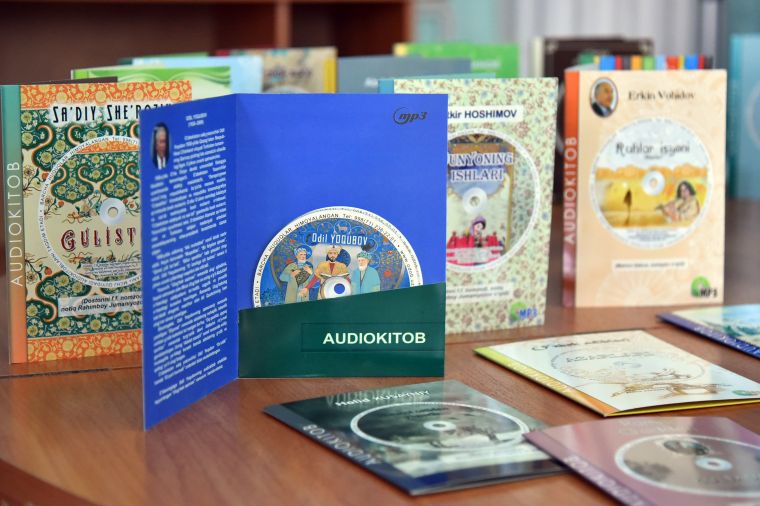
 Uzbek literature Literature and art of Uzbekistan is called one of the bright and wonderful pages of the history of the world artistic culture. Along with Egypt and Mesopotamia, Greece and Rome, India and China, Central Asia laid the foundations of human civilization. The emergence of a cultural phenomenon in Uzbekistan is mainly due to its geographical Mesopotamia, where agricultural centers have been location in the Central Asian formed since ancient times. Uzbek literature history The most ancient Uzbek oral literary works are over 200 epic poems, many legends, epic songs performed by folk poets - bakhshi. Heroes of folklore struggle with hostile forces evil spirits, dragons. The oldest cycle of epic poems Ker-ogly and the poem Alpamysh were written around the 10th century. Alpamysh went in the folklore of all the peoples of Central Asia. It talks about the courage of folk heroes, courage and hatred of enemies; it contains many witty aphorisms, vivid metaphors, colorful descriptions. Another popular work from the cycle Ker-ogly is a poem about the transforming power of love of Ravshan-Hon. Many times later it was processed by folk poets. The satirical novels of Nasreddin Afandi, in which the khans and bais are derided, are popular. In the oral Uzbek literature, people of different nationalities - Chinese, Iranian, Turkmen, Negro, etc., female images are devoid of sentimentality. In the XI century, many works are created, based on religious norms of Islamic morality. These are the instructive poems "Kugadau Bilig" ("Knowledge of Grace" or "Science of Happiness") by Yusuf Khas Hadjib Balasaguni, the poem "Khibat al-Khakaik" ("Gift of Truths") by Ahmad Yugnaki.

Prepeared by Imam Bukhari Tashkent Islamic Institute , Department of languages , English teacher     Kadirov Farrukh


Other posts

Sheikh Bashir bin Ahmed Siddiq at Masjid an-Nabawi Passes Away After 60 Years of Service

06.10.2025   39580   1 min.
Sheikh Bashir bin Ahmed Siddiq at Masjid an-Nabawi Passes Away After 60 Years of Service

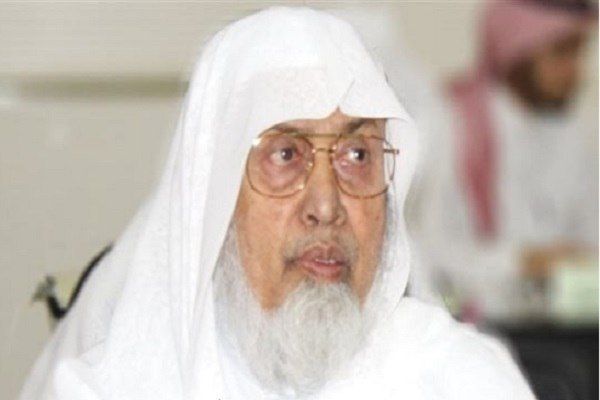
Sheikh Bashir bin Ahmed Siddiq, the senior Quran recitation teacher at Al-Masjid An-Nabawi, passed away on October 1, 2025, after dedicating sixty years to teaching at the Prophet’s Mosque. His students include some of the most prominent reciters and Islamic scholars of recent generations, forming a legacy that extends across the Muslim world.

Among his notable students are former Holy Mosques Imams Sheikh Muhammad Ayyoub and Sheikh Ali Jaber, current An-Nabawi Imams Sheikh Abdul Muhsin Al-Qasim and Sheikh Salah Al-Budair, and Sheikh Muhammad Al-Mukhtar Al-Shanqiti of the Senior Scholars Council. These figures represent just a portion of the thousands who studied under Sheikh Bashir’s guidance at the Medina mosque.

Sheikh Bashir established himself as a pillar of Quranic education within the sacred premises of the Prophet’s Mosque. His teaching career spanned six decades, during which he maintained a consistent presence in the mosque’s educational circles.

Students traveled from various countries specifically to learn Quran recitation from him, drawn by his reputation for precision and deep knowledge of tajweed rules.

The Sheikh’s methodology combined traditional teaching techniques with deep scholarly insight, creating a learning environment that produced some of the most recognized voices in Islamic recitation.

His students now lead prayers at Islam’s holiest sites and hold positions on scholarly councils, continuing the traditions he preserved and taught.