Uzbek literature
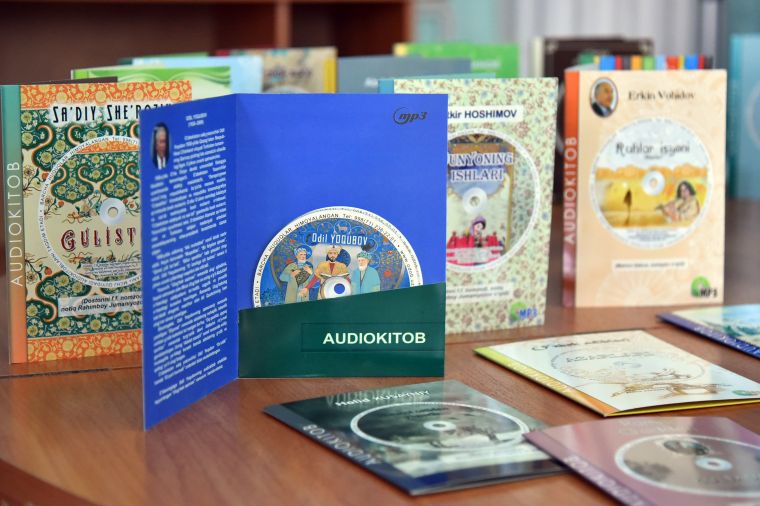
Uzbek literature Literature and art of Uzbekistan is called one of the bright and wonderful pages of the history of the world artistic culture. Along with Egypt and Mesopotamia, Greece and Rome, India and China, Central Asia laid the foundations of human civilization. The emergence of a cultural phenomenon in Uzbekistan is mainly due to its geographical Mesopotamia, where agricultural centers have been location in the Central Asian formed since ancient times. Uzbek literature history The most ancient Uzbek oral literary works are over 200 epic poems, many legends, epic songs performed by folk poets - bakhshi. Heroes of folklore struggle with hostile forces evil spirits, dragons. The oldest cycle of epic poems Ker-ogly and the poem Alpamysh were written around the 10th century. Alpamysh went in the folklore of all the peoples of Central Asia. It talks about the courage of folk heroes, courage and hatred of enemies; it contains many witty aphorisms, vivid metaphors, colorful descriptions. Another popular work from the cycle Ker-ogly is a poem about the transforming power of love of Ravshan-Hon. Many times later it was processed by folk poets. The satirical novels of Nasreddin Afandi, in which the khans and bais are derided, are popular. In the oral Uzbek literature, people of different nationalities - Chinese, Iranian, Turkmen, Negro, etc., female images are devoid of sentimentality. In the XI century, many works are created, based on religious norms of Islamic morality. These are the instructive poems "Kugadau Bilig" ("Knowledge of Grace" or "Science of Happiness") by Yusuf Khas Hadjib Balasaguni, the poem "Khibat al-Khakaik" ("Gift of Truths") by Ahmad Yugnaki.
Prepeared by Imam Bukhari Tashkent Islamic Institute , Department of languages , English teacher Kadirov Farrukh
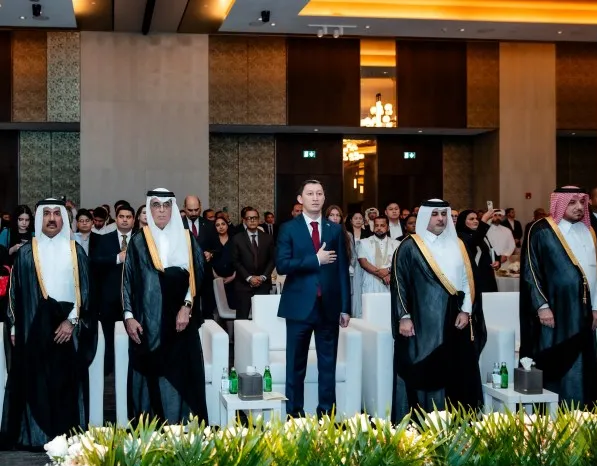
Official reception held in Doha on the occasion of the 34th anniversary of Uzbekistan’s independence
A solemn reception dedicated to the 34th anniversary of the Independence of Uzbekistan was held in the capital of the State of Qatar, reports Dunyo IA correspondent.
The event was attended by representatives of Qatari government institutions, heads of diplomatic missions accredited in Doha, officials from international organizations, members of the public and business community, as well as representatives of the Uzbek diaspora residing in Qatar.
Among the distinguished guests were Abdullah Al-Subaie, Minister of Environment and Climate Change of the State of Qatar, Hamad Al-Kawari, Minister of State and President of the Qatar National Library, Ahmed Al-Hammadi, Secretary-General of the Ministry of Foreign Affairs and Ibrahim Fakhro, Director of the Department of State Protocol of the Ministry of Foreign Affairs.
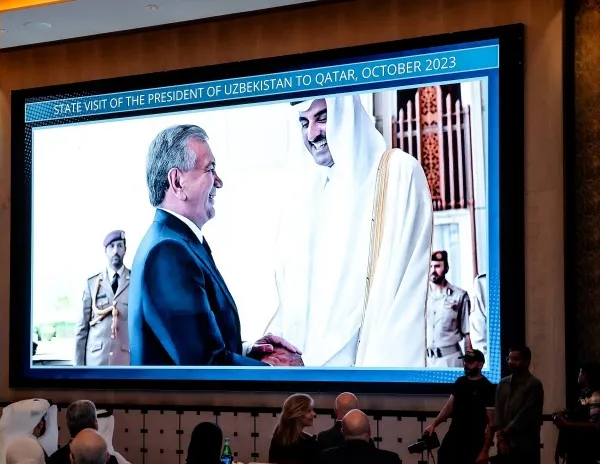
During the reception, a video presentation was screened highlighting the dynamic development of friendly relations between Uzbekistan and Qatar, as well as the expanding areas of bilateral strategic partnership. Attendees were also briefed on the history of Uzbek-Qatari relations, ongoing investment projects, trade and economic cooperation, and efforts to strengthen cultural and humanitarian ties.
Following the official proceedings, a concert program was held featuring performances of traditional Uzbek maqom music.
Uzbek entrepreneurs operating in Qatar also showcased traditional Uzbek national costumes during the event.
Sheikh Khalid Al-Sulaiti, Director of the "Katara" Cultural Village Foundation:
– It is a great honor for us to participate in this highly organized reception. The economic opportunities, investment projects, and rich cultural program showcased during the event vividly demonstrated the modern image and potential of Uzbekistan. Qatar is committed to further developing its political, economic, and cultural relations with Uzbekistan.
Muhammad Ali, Representative of the Ministry of Internal Affairs of Qatar:
– I once again experienced the genuine warmth and hospitality inherent to the Uzbek people through their national music, traditional cuisine, and various cultural events. Such occasions serve to further strengthen the mutual respect and friendship between our peoples.
Source