Uzbek literature
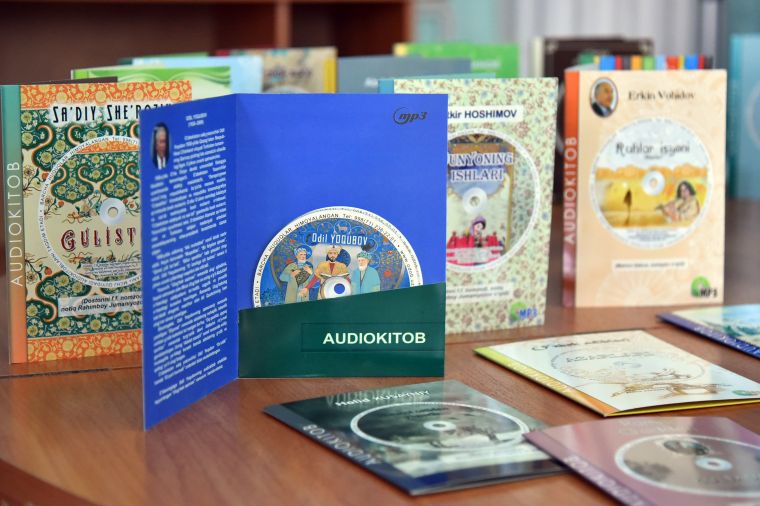
Uzbek literature Literature and art of Uzbekistan is called one of the bright and wonderful pages of the history of the world artistic culture. Along with Egypt and Mesopotamia, Greece and Rome, India and China, Central Asia laid the foundations of human civilization. The emergence of a cultural phenomenon in Uzbekistan is mainly due to its geographical Mesopotamia, where agricultural centers have been location in the Central Asian formed since ancient times. Uzbek literature history The most ancient Uzbek oral literary works are over 200 epic poems, many legends, epic songs performed by folk poets - bakhshi. Heroes of folklore struggle with hostile forces evil spirits, dragons. The oldest cycle of epic poems Ker-ogly and the poem Alpamysh were written around the 10th century. Alpamysh went in the folklore of all the peoples of Central Asia. It talks about the courage of folk heroes, courage and hatred of enemies; it contains many witty aphorisms, vivid metaphors, colorful descriptions. Another popular work from the cycle Ker-ogly is a poem about the transforming power of love of Ravshan-Hon. Many times later it was processed by folk poets. The satirical novels of Nasreddin Afandi, in which the khans and bais are derided, are popular. In the oral Uzbek literature, people of different nationalities - Chinese, Iranian, Turkmen, Negro, etc., female images are devoid of sentimentality. In the XI century, many works are created, based on religious norms of Islamic morality. These are the instructive poems "Kugadau Bilig" ("Knowledge of Grace" or "Science of Happiness") by Yusuf Khas Hadjib Balasaguni, the poem "Khibat al-Khakaik" ("Gift of Truths") by Ahmad Yugnaki.
Prepeared by Imam Bukhari Tashkent Islamic Institute , Department of languages , English teacher Kadirov Farrukh
Uzbekistan showcases its tourism potential at major Tourism Exhibition of Malaysia
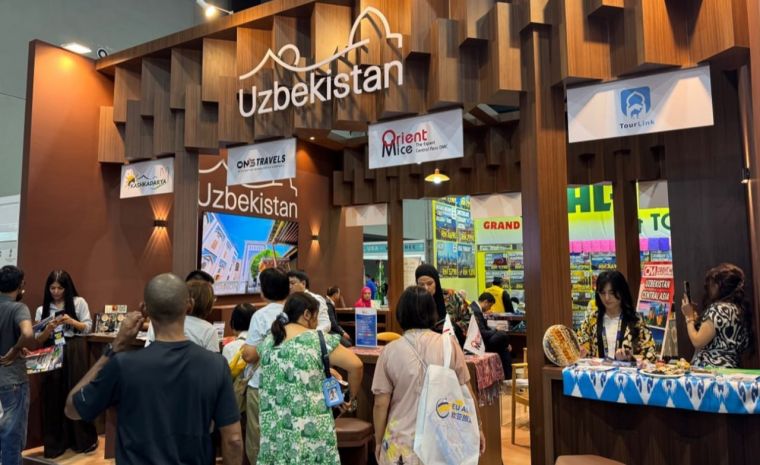
Prominent tourism exhibition “MATTA Fair” took place at the Malaysia International Trade and Exhibition Centre, featuring the national pavilion of Uzbekistan, reports Dunyo IA.
During the exhibition, presentations dedicated to the tourism potential of Uzbekistan were held. The event participants were briefed on the reforms being implemented in the tourism sector, the dynamic development of pilgrimage tourism, as well as the measures being taken to create comfortable conditions for pilgrims.
Particular attention was paid to the fact that as a result of visa regime liberalization in recent years, a visa-free entry regime to Uzbekistan has been established for citizens of more than 90 foreign states, including Malaysia.
Exhibition visitors had the opportunity to familiarize themselves closely with the historical and modern tourism hubs of the Bukhara, Samarkand, Khorezm and Kashkadarya regions, as well as the city of Tashkent, their rich culture, unique architecture, art and national traditions.
In the national pavilion, representatives of the Tourism Committee, Khokimiyat of the Kashkadarya Region, “Uzbekistan Airways” and a number of domestic tourism companies broadly promoted tourism packages covering pilgrimage tourism, “historical and cultural tourism”, gastronomic tourism, “Umrah+”, winter tourism and other areas in B2B and B2C formats.
Representatives of Uzbekistan Airways informed the participants about the facilities established for tourists, particularly the availability of direct flights between Tashkent and Kuala Lumpur.
Furthermore, a number of Malaysian tourism companies participating in the exhibition secured the sale of travel packages to Uzbekistan.
During the event, within the framework of direct cooperation between the tour operators of the two nations, concrete agreements aimed at increasing the tourist flow to Uzbekistan were reached.
Malaysian Association of Tour and Travel Agents (MATTA) was founded in 1975 and unites more than 3,000 tourism companies. MATTA has representative offices across the country and regularly conducts the “MATTA Fair” tourism exhibitions in all states of Malaysia.
Exhibition in Kuala Lumpur is considered one of the largest and most renowned tourism fairs in the Asia-Pacific region. The event features over 1,200 tourism companies and representatives from more than 50 foreign states, with the number of visitors exceeding 100,000 people.