News
Uzbek Plov presented at the “World Halal Food Festival 2026” in London
05.10.2026
184181
2 min.
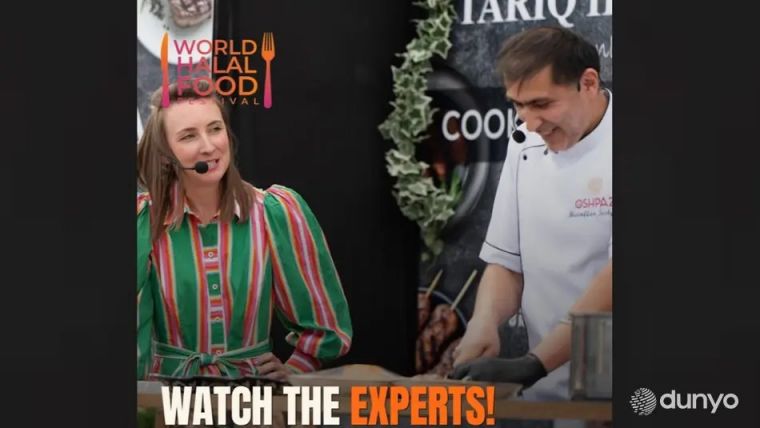
Within the framework of the 12th international “World Halal Food Festival 2026” held in the capital of the United Kingdom, traditional Uzbek plov was presented to the guests of the event, reports Dunyo IA correspondent.
At this large-scale gastronomic event, which gathered guests from various countries around the world, the team of the London-based Uzbek restaurant “Oshpaz” prepared Uzbek plov according to the traditional recipe - in special cast-iron cauldrons (kazans) directly in front of the festival visitors. This allowed the guests not only to appreciate the unique taste of the dish but also to familiarize themselves with the process of its preparation and the traditions of the Uzbek national cuisine.
Uzbek plov generated great interest among the festival guests. The harmonious combination of aromatic spices, rice, carrots and meat, along with the traditional method of cooking in a cauldron, left a vibrant impression on the visitors.
“World Halal Food Festival” is a major international event dedicated to the promotion of halal products, gastronomy and cultural diversity. More than 200 halal product manufacturers and entrepreneurs from over 25 countries participated in the 2026 festival. Over the course of two days, the event was attended by more than 20,000 people.
Participation in the festival contributed to a broader acquaintance of the British public with the Uzbek national cuisine, the presentation of the rich gastronomic heritage of Uzbekistan to an international audience, as well as the promotion of the country’s tourism potential.
SHARE INFORMATION ON SOCIAL NETWORKS



 Iman
 Prayer
 Fasting
 Zakat
 Haj
 Qur`an
 Lessons of Islam
 Contact