Photo Exhibition “Uzbekistan – The Land of Tolerance” Held in Tashkent
11.11.2025
150885
1 min.
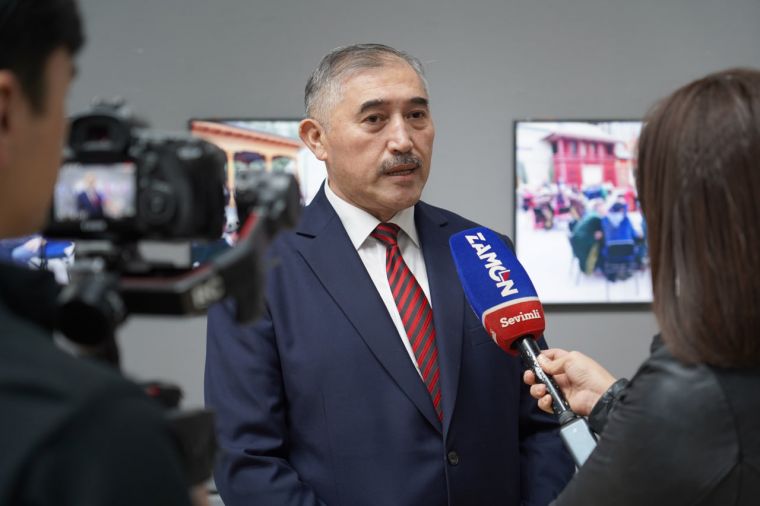
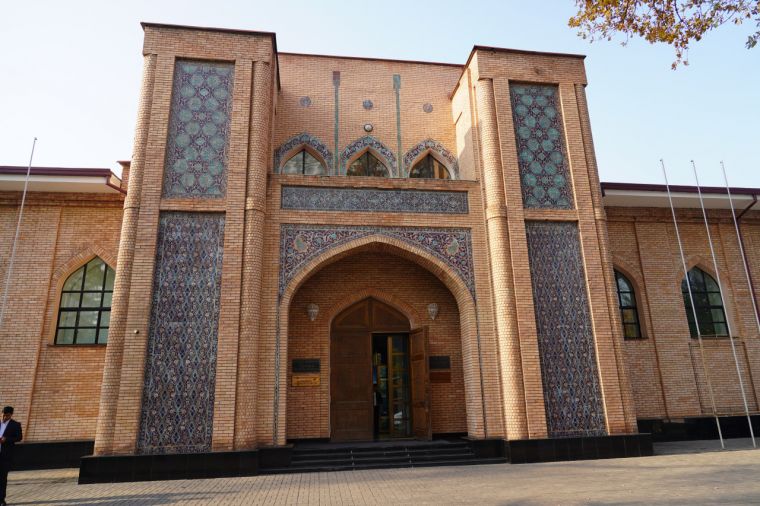
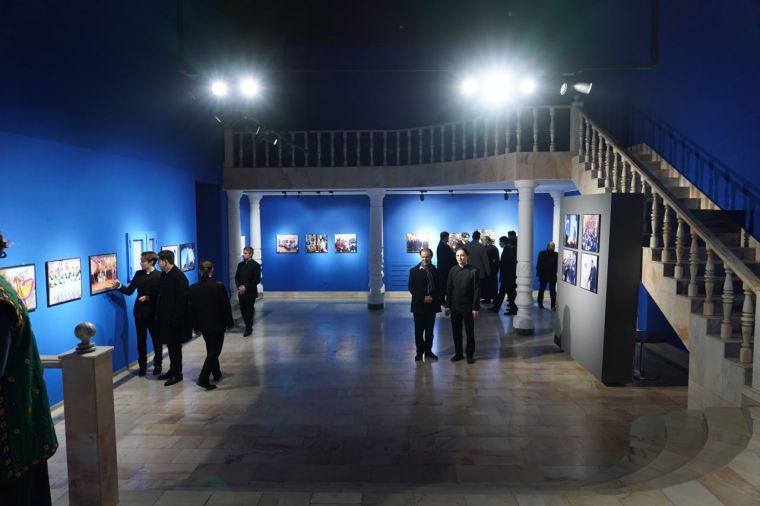
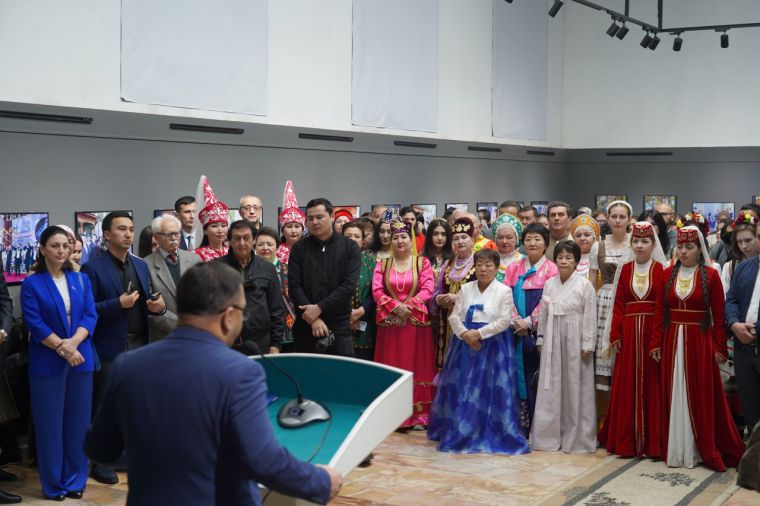
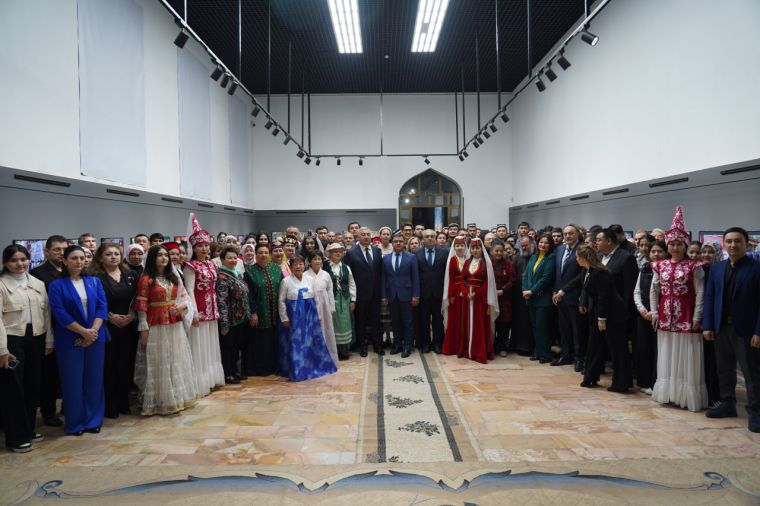
As part of the “Week of Tolerance”, which encompasses various events aimed at strengthening interethnic and interfaith friendship, harmony, and solidarity across our country, a photo exhibition entitled “Uzbekistan – The Land of Tolerance” was held at the Tashkent House of Photography.
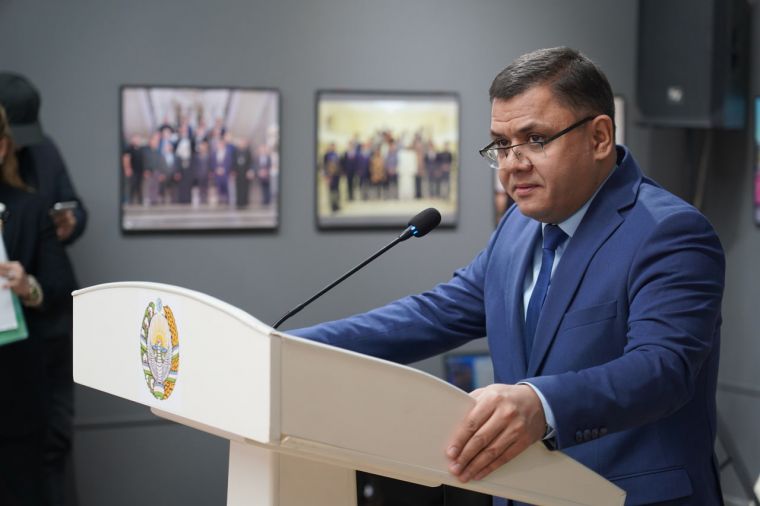
The event was attended by representatives and staff of the Committee on Interethnic Relations and Friendly Ties with Foreign Countries, the Committee on Religious Affairs of the Republic of Uzbekistan, activists of national cultural centers and friendship societies, representatives of religious confessions, and members of the media.
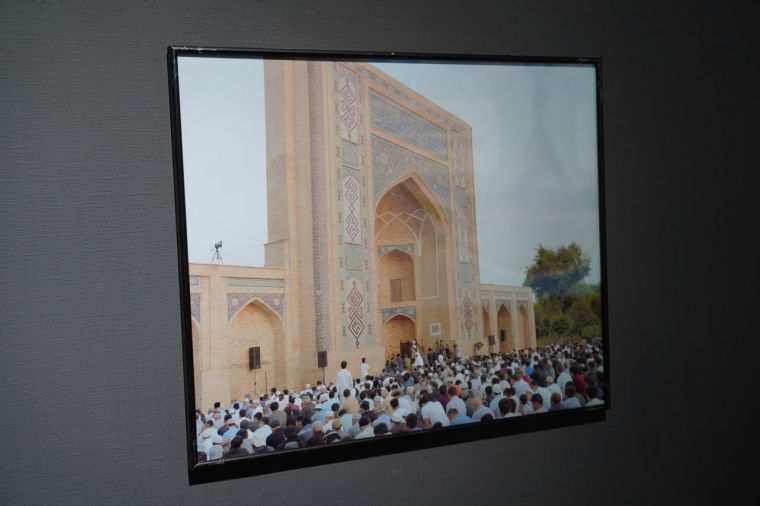
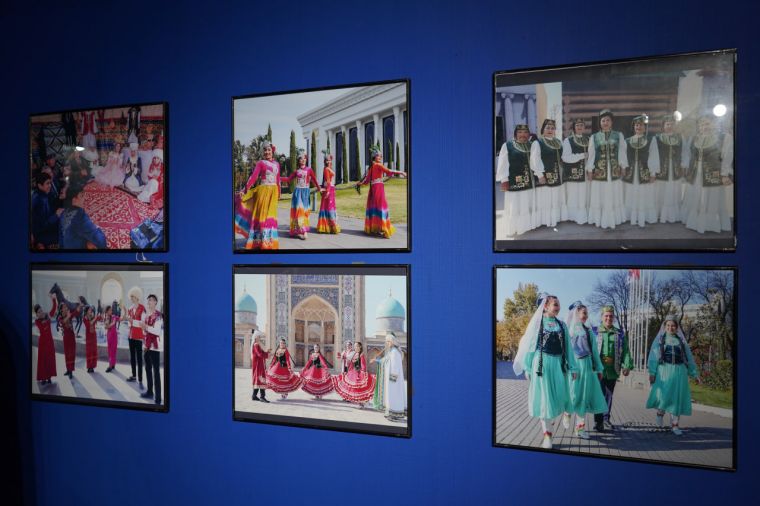
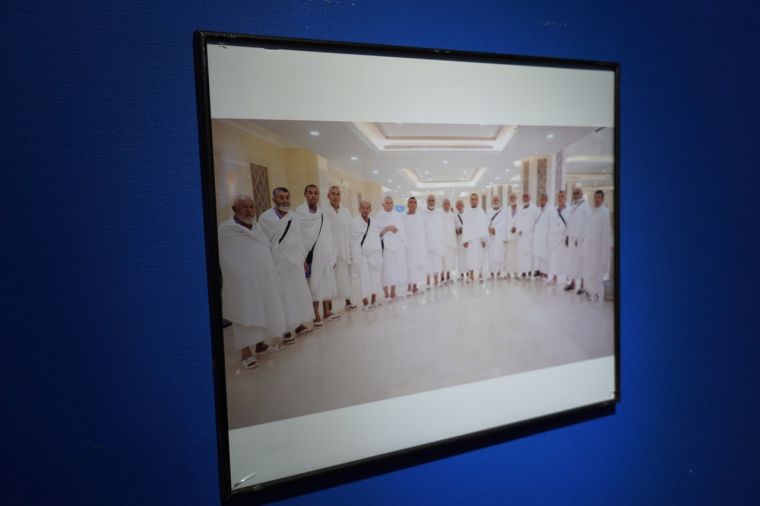
The exhibition featured more than 100 photographs reflecting events organized in cooperation with national cultural centers and friendship societies, as well as the lifestyle, culture, and traditions of various ethnic and religious communities living in Uzbekistan.
It should be noted that today, over 130 nationalities and ethnic groups, along with representatives of 16 religious confessions, live in Uzbekistan in an atmosphere of tolerance, friendship, and unity. Events held within the framework of the Week of Tolerance are among the noble initiatives that call the peoples of the world to peace and solidarity.
Muslim Board of Uzbekistan – Press Service







SHARE INFORMATION ON SOCIAL NETWORKS



 Iman
Iman  Prayer
  Fasting
  Zakat
Zakat  Haj
Haj  Qur`an
  Lessons of Islam
  Contact