Uzbek literature
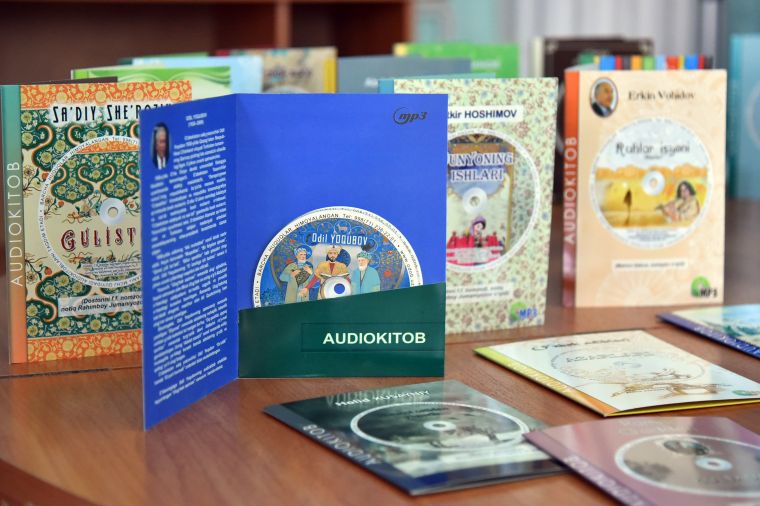
Uzbek literature Literature and art of Uzbekistan is called one of the bright and wonderful pages of the history of the world artistic culture. Along with Egypt and Mesopotamia, Greece and Rome, India and China, Central Asia laid the foundations of human civilization. The emergence of a cultural phenomenon in Uzbekistan is mainly due to its geographical Mesopotamia, where agricultural centers have been location in the Central Asian formed since ancient times. Uzbek literature history The most ancient Uzbek oral literary works are over 200 epic poems, many legends, epic songs performed by folk poets - bakhshi. Heroes of folklore struggle with hostile forces evil spirits, dragons. The oldest cycle of epic poems Ker-ogly and the poem Alpamysh were written around the 10th century. Alpamysh went in the folklore of all the peoples of Central Asia. It talks about the courage of folk heroes, courage and hatred of enemies; it contains many witty aphorisms, vivid metaphors, colorful descriptions. Another popular work from the cycle Ker-ogly is a poem about the transforming power of love of Ravshan-Hon. Many times later it was processed by folk poets. The satirical novels of Nasreddin Afandi, in which the khans and bais are derided, are popular. In the oral Uzbek literature, people of different nationalities - Chinese, Iranian, Turkmen, Negro, etc., female images are devoid of sentimentality. In the XI century, many works are created, based on religious norms of Islamic morality. These are the instructive poems "Kugadau Bilig" ("Knowledge of Grace" or "Science of Happiness") by Yusuf Khas Hadjib Balasaguni, the poem "Khibat al-Khakaik" ("Gift of Truths") by Ahmad Yugnaki.
Prepeared by Imam Bukhari Tashkent Islamic Institute , Department of languages , English teacher Kadirov Farrukh
Saudi Arabia Shortens Umrah Visa Validity to One Month
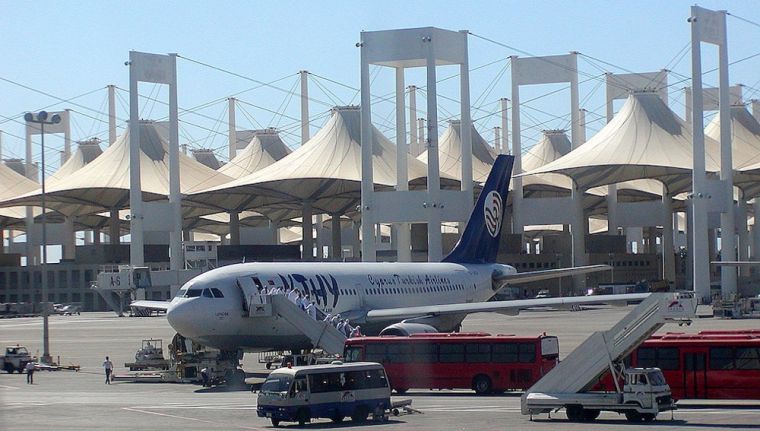
Umrah entry visas now valid for one month instead of three from issuance date.
Saudi Arabia’s Ministry of Hajj and Umrah has reduced the validity period for Umrah entry visas from three months to one month from issuance date, though the permitted stay duration remains unchanged at three months after arrival.
The new regulations take effect next week (November 1, 2025) amid a record-breaking Umrah season that has already seen over four million visas issued to foreign pilgrims.
Under the updated system, Umrah visas will automatically cancel if pilgrims fail to enter Saudi Arabia within 30 days of issuance.
The three-month allowance for staying in the Kingdom after arrival remains unaffected, preserving pilgrims’ flexibility once they enter the country.
Ahmed Bajaeifer, advisor at the National Committee for Umrah and Visit, confirmed the changes to prepare for expected pilgrim increases following summer’s end and cooler temperatures in Mecca and Medina.
The current Umrah season, beginning in early June, has achieved unprecedented numbers with four million foreign pilgrims arriving within just five months. This volume surpasses previous full-season totals, demonstrating growing global demand for Umrah pilgrimage opportunities.