Uzbek literature
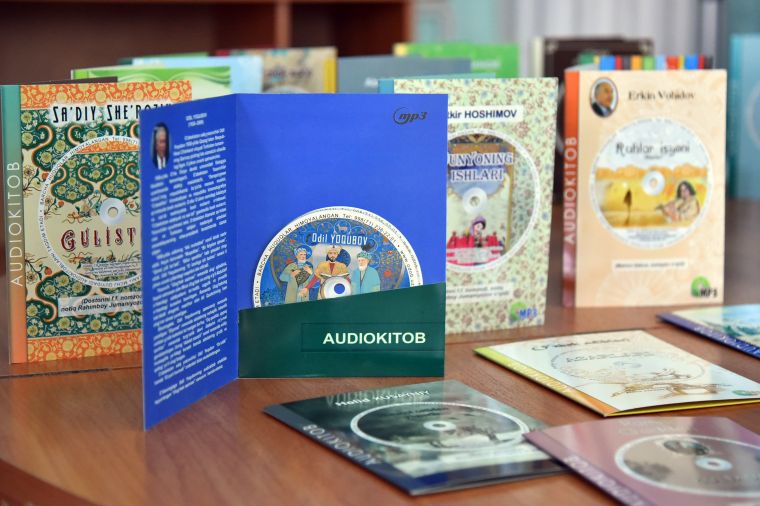
Uzbek literature Literature and art of Uzbekistan is called one of the bright and wonderful pages of the history of the world artistic culture. Along with Egypt and Mesopotamia, Greece and Rome, India and China, Central Asia laid the foundations of human civilization. The emergence of a cultural phenomenon in Uzbekistan is mainly due to its geographical Mesopotamia, where agricultural centers have been location in the Central Asian formed since ancient times. Uzbek literature history The most ancient Uzbek oral literary works are over 200 epic poems, many legends, epic songs performed by folk poets - bakhshi. Heroes of folklore struggle with hostile forces evil spirits, dragons. The oldest cycle of epic poems Ker-ogly and the poem Alpamysh were written around the 10th century. Alpamysh went in the folklore of all the peoples of Central Asia. It talks about the courage of folk heroes, courage and hatred of enemies; it contains many witty aphorisms, vivid metaphors, colorful descriptions. Another popular work from the cycle Ker-ogly is a poem about the transforming power of love of Ravshan-Hon. Many times later it was processed by folk poets. The satirical novels of Nasreddin Afandi, in which the khans and bais are derided, are popular. In the oral Uzbek literature, people of different nationalities - Chinese, Iranian, Turkmen, Negro, etc., female images are devoid of sentimentality. In the XI century, many works are created, based on religious norms of Islamic morality. These are the instructive poems "Kugadau Bilig" ("Knowledge of Grace" or "Science of Happiness") by Yusuf Khas Hadjib Balasaguni, the poem "Khibat al-Khakaik" ("Gift of Truths") by Ahmad Yugnaki.
Prepeared by Imam Bukhari Tashkent Islamic Institute , Department of languages , English teacher Kadirov Farrukh
Contemporary Religious Issues Discussed
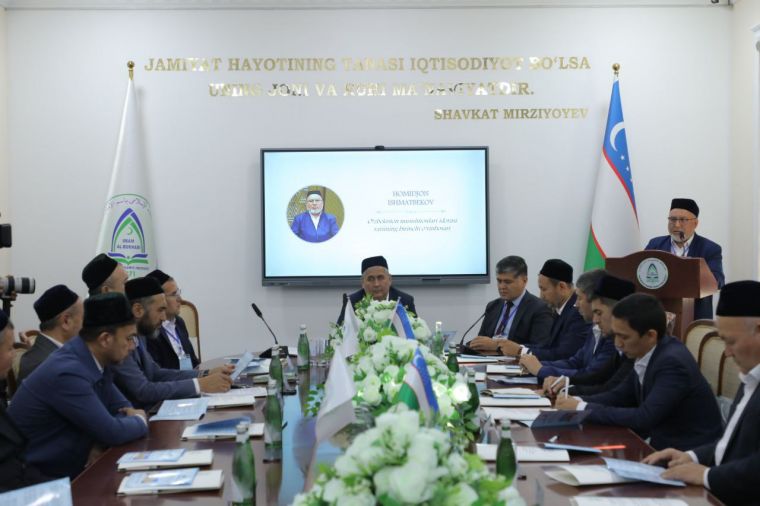
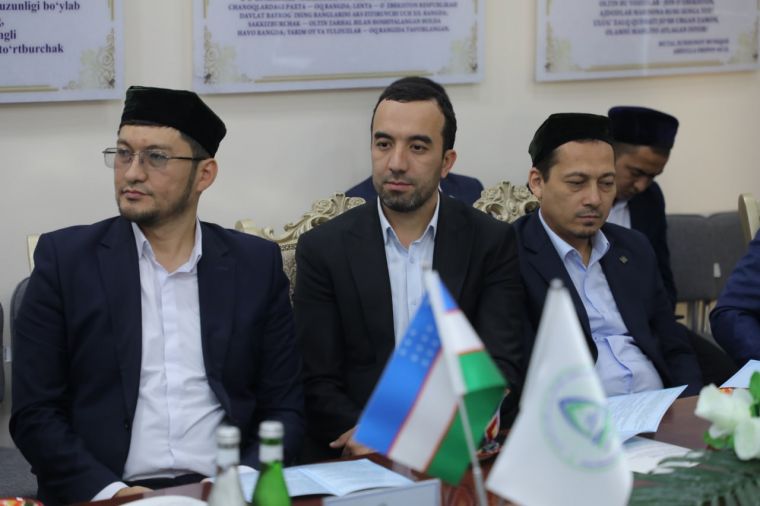
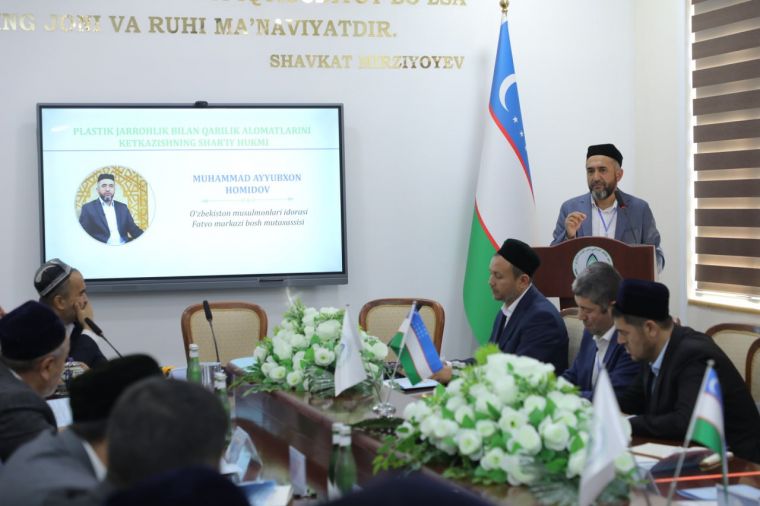
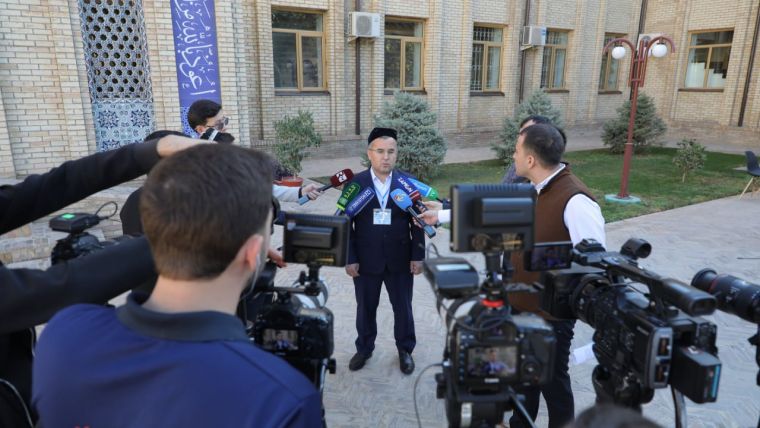
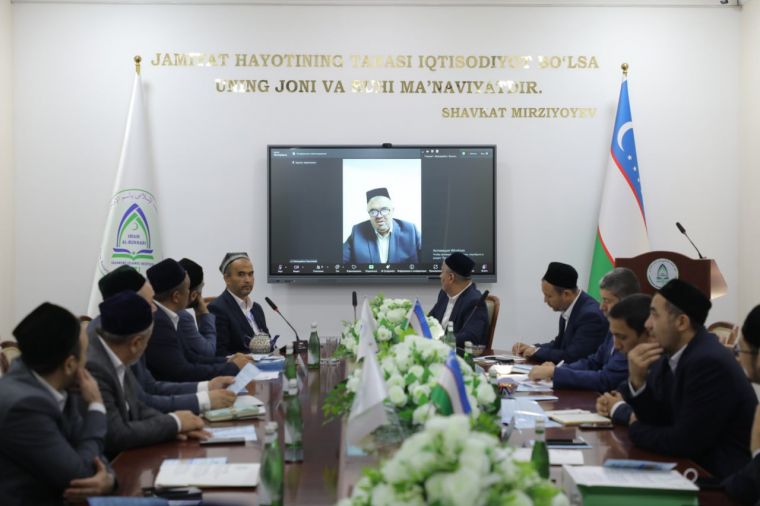
The Tashkent Islamic Institute hosted a Republican scientific-practical conference titled “Approaches in Research on Contemporary Theological and Jurisprudential Issues”.
The event brought together scholars, professors, and young researchers. The conference was opened by the Rector of the Institute, Uyg‘un G‘afurov, with a welcoming speech. The First Deputy Chairman of the Committee on Religious Affairs, Davronbek Mahsudov, and the First Deputy Chairman of the Muslim Board of Uzbekistan, Homidjon Ishmatbekov, extended their best wishes for the success of the conference.
Among the topics discussed were “The Sharia Rulings on Plastic Surgery”, “Rehabilitation of Individuals Affected by Deviant Ideologies”, “Modern Jurisprudential Issues Related to E-Commerce” and “The Foundations and Characteristics of the Maturidi Doctrine” along with other pressing subjects.
Within the framework of the conference, more than 70 scientific papers on Qur’anic studies, Hadith studies, jurisprudence (fiqh), kalam, and theology were included in a special academic collection.
Press Service of the Muslim Board of Uzbekistan