Meeting of the Intergovernmental Commission in Fergana
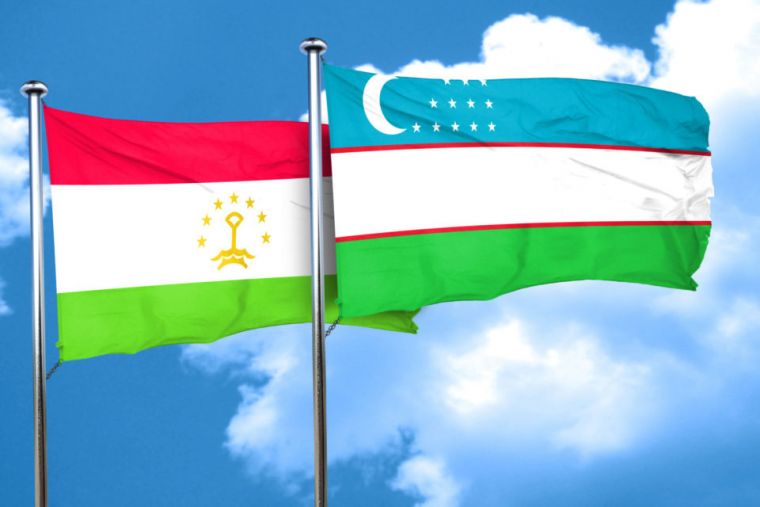
Regular meeting of the Uzbek-Tajik intergovernmental commission on the issues of delimitation and demarcation of the state border of Uzbekistan and Tajikistan was held in Fergana. It was attended by members of governments of the two countries, heads of relevant ministries, departments and leading economic structures.
The Prime Minister of the Republic of Uzbekistan Abdulla Aripov and the Prime Minister of the Republic of Tajikistan Kohir Rasulzoda noted that friendship and cooperation between the Uzbek and Tajik people is reaching a new level.
Cooperation between Uzbekistan and Tajikistan is based on principles of friendship, mutual respect and trust. Special attention being paid to strengthening relations between Uzbekistan and Tajikistan serves the fundamental interests of our nations. All complex issues of bilateral cooperation are reviewed from the point of view of improvement.
Currently, volume of mutual trade turnover is increasing, cooperation is expanding in various sectors of the economy. Industrial exhibitions and business forums were organized for promoting long-term cooperation between leading enterprises and business circles of the two countries. Cooperation has been further strengthened in various spheres,including, in cultural-humanitarian.
At the meeting, held in an open and constructive spirit, heads of the delegations highly appreciated Uzbek-Tajik cooperation. It was noted that due to political will of the heads of the two states, contacts were intensified and meetings of intergovernmental commissions were held at the highest levels.
Draft documents on some areas of the Uzbek-Tajik state border were considered. It was noted that in the past short period of time, tangible success has been achieved in delimitation of the state border.
The sides discussed projects of bilateral documents, planned to be signed during the state visit of the President of the Republic of Uzbekistan Shavkat Mirziyoyev to Tajikistan, focused on the organizational issues of the high-level events.
Following the meeting, a joint protocol was signed.
Cultural Significance and Centuries-Old Traditions of the Uzbek Mahalla discussed at UNESCO

Facilitated by the Permanent Delegation of Uzbekistan to UNESCO, an online meeting was held between representatives of Uzbekistan and the Secretariat of the 2003 UNESCO Convention for the Safeguarding of the Intangible Cultural Heritage, dedicated to the cultural traditions and practices associated with the mahalla, as well as prospects for their promotion at the international level, reports Dunyo IA.
UNESCO Convention for the Safeguarding of the Intangible Cultural Heritage was adopted in 2003 and aims to safeguard living cultural traditions, customs, knowledge, skills and forms of cultural expression transmitted from generation to generation by communities. Operating within the framework of the Convention are the Representative List of the Intangible Cultural Heritage of Humanity, the List of Intangible Cultural Heritage in Need of Urgent Safeguarding and Register of Good Safeguarding Practices.
On behalf of UNESCO, the consultation was attended by Fumiko Ohinata, Secretary of the Convention for the Safeguarding of the Intangible Cultural Heritage and Nicholas Tan, Associate Programme Specialist responsible for the Asia and the Pacific region. Uzbek side was represented by officials from the Ministry of Foreign Affairs, the Mahalla Association of Uzbekistan, the National Commission for UNESCO and Permanent Delegation of the country to UNESCO.
During the meeting, the Uzbek side presented the centuries-old history of the mahalla, its special role in the life of society and its significance in preserving national traditions. It was emphasized that the mahalla is an integral part of the lifestyle of the people of Uzbekistan, uniting individuals on the basis of the principles of good neighbourliness, mutual assistance, solidarity and respect for the older generation.
Particular attention was paid to the cultural dimension of the mahalla. For centuries, it has served as a space where traditions are preserved directly in people's daily lives: holidays and important family events are celebrated collectively, customs of mutual assistance are maintained, intergenerational relations are strengthened and knowledge, values and life experience are transmitted to the youth.
Representatives of the UNESCO Secretariat reviewed the presented materials with great interest and noted the distinct nature of the social lifestyle centered around the mahalla in Uzbekistan. During the conversation, the significance of the traditions of community life, cultural interaction and the intergenerational transmission of heritage was emphasized as vital components of living intangible cultural heritage.
UNESCO experts also noted that the value of such traditions lies in their constant presence in people's lives. Cultural heritage within the mahalla is not limited to the preservation of individual customs but continues to manifest itself in daily interaction, relations between neighbours, collective events, and the participation of different generations in the life of the community.
During the exchange of views, it was noted that the experience of the mahalla reflects the way of organizing community life characteristic of Uzbekistan, where cultural values are preserved by the people themselves, further developed, and transmitted to subsequent generations. UNESCO representatives emphasized that such forms of interaction within local communities could be of significant interest in the context of the “living heritage” concept that underpins the 2003 Convention.
The role of Uzbekistan in promoting intangible cultural heritage and its contribution to enhancing international awareness of the diversity of living cultural traditions were separately highlighted. In this regard, the presented experience of the Uzbek mahalla generated significant interest among the Secretariat specialists.
Consultation held marked another step in developing cooperation between Uzbekistan and UNESCO on the preservation and international promotion of the country’s rich intangible cultural heritage, including the unique traditions and values formed within the institution of the mahalla.

- «
- »