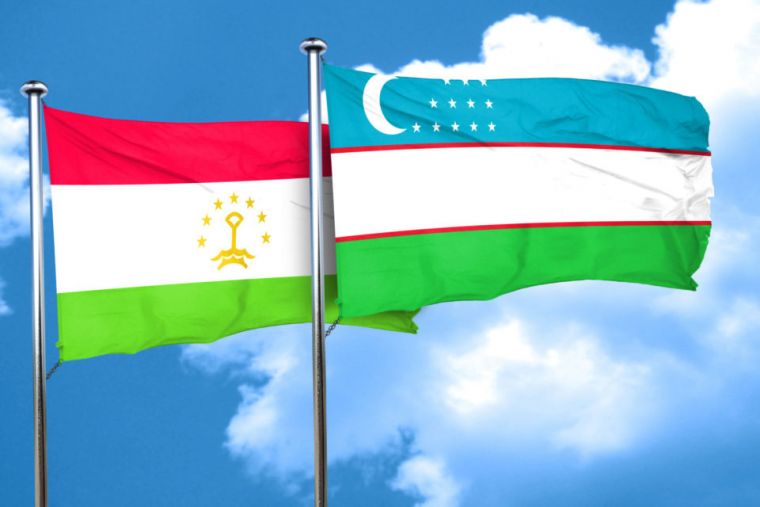
Regular meeting of the Uzbek-Tajik intergovernmental commission on the issues of delimitation and demarcation of the state border of Uzbekistan and Tajikistan was held in Fergana. It was attended by members of governments of the two countries, heads of relevant ministries, departments and leading economic structures.
The Prime Minister of the Republic of Uzbekistan Abdulla Aripov and the Prime Minister of the Republic of Tajikistan Kohir Rasulzoda noted that friendship and cooperation between the Uzbek and Tajik people is reaching a new level.
Cooperation between Uzbekistan and Tajikistan is based on principles of friendship, mutual respect and trust. Special attention being paid to strengthening relations between Uzbekistan and Tajikistan serves the fundamental interests of our nations. All complex issues of bilateral cooperation are reviewed from the point of view of improvement.
Currently, volume of mutual trade turnover is increasing, cooperation is expanding in various sectors of the economy. Industrial exhibitions and business forums were organized for promoting long-term cooperation between leading enterprises and business circles of the two countries. Cooperation has been further strengthened in various spheres,including, in cultural-humanitarian.
At the meeting, held in an open and constructive spirit, heads of the delegations highly appreciated Uzbek-Tajik cooperation. It was noted that due to political will of the heads of the two states, contacts were intensified and meetings of intergovernmental commissions were held at the highest levels.
Draft documents on some areas of the Uzbek-Tajik state border were considered. It was noted that in the past short period of time, tangible success has been achieved in delimitation of the state border.
The sides discussed projects of bilateral documents, planned to be signed during the state visit of the President of the Republic of Uzbekistan Shavkat Mirziyoyev to Tajikistan, focused on the organizational issues of the high-level events.
Following the meeting, a joint protocol was signed.
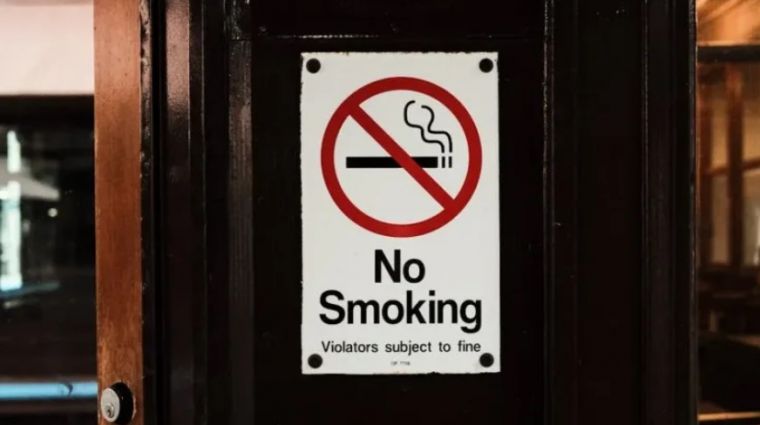
Saudi Arabia has implemented a ban on tobacco shops operating within 500 meters of mosques and schools, according to new guidelines from the Ministry of Municipalities and Housing.
The measures aim to safeguard public health, ensure legal compliance, and maintain orderly business environments in urban areas.
The regulations affect all stores selling tobacco products, including cigarettes, shisha, and e-cigarettes. Shop owners must possess valid commercial registration, Civil Defense approval, and full compliance with municipal licensing laws.
Stores must occupy at least 36 square meters within commercial buildings, with additional local municipality conditions possible.
Exterior signage cannot display logos or promotional materials - only the store name. Operations require security cameras indoors and outdoors, adherence to hygiene standards, electronic payment options, and prohibited sidewalk use.
All tobacco products must meet Saudi Food and Drug Authority standards, feature clear warning labels, and be sold in sealed packages. Vending machines, price reductions, gifts, and product testing are forbidden.