Meeting of the Intergovernmental Commission in Fergana
27.02.2018
46118
2 min.
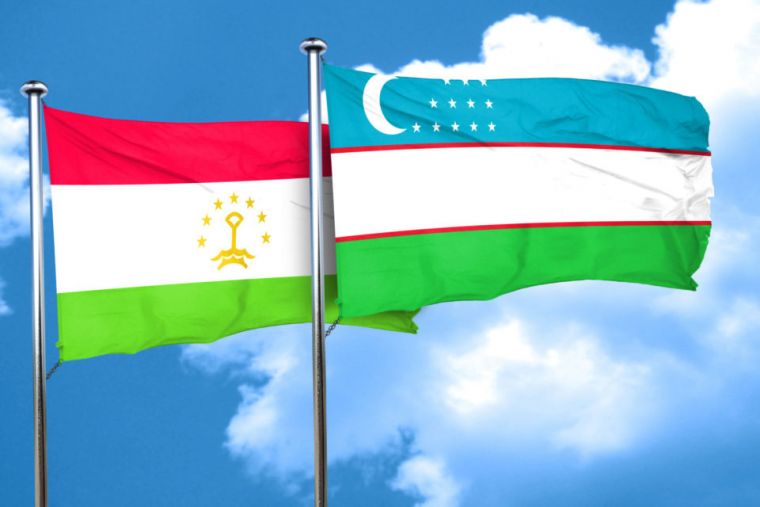
Regular meeting of the Uzbek-Tajik intergovernmental commission on the issues of delimitation and demarcation of the state border of Uzbekistan and Tajikistan was held in Fergana. It was attended by members of governments of the two countries, heads of relevant ministries, departments and leading economic structures.
The Prime Minister of the Republic of Uzbekistan Abdulla Aripov and the Prime Minister of the Republic of Tajikistan Kohir Rasulzoda noted that friendship and cooperation between the Uzbek and Tajik people is reaching a new level.
Cooperation between Uzbekistan and Tajikistan is based on principles of friendship, mutual respect and trust. Special attention being paid to strengthening relations between Uzbekistan and Tajikistan serves the fundamental interests of our nations. All complex issues of bilateral cooperation are reviewed from the point of view of improvement.
Currently, volume of mutual trade turnover is increasing, cooperation is expanding in various sectors of the economy. Industrial exhibitions and business forums were organized for promoting long-term cooperation between leading enterprises and business circles of the two countries. Cooperation has been further strengthened in various spheres,including, in cultural-humanitarian.
At the meeting, held in an open and constructive spirit, heads of the delegations highly appreciated Uzbek-Tajik cooperation. It was noted that due to political will of the heads of the two states, contacts were intensified and meetings of intergovernmental commissions were held at the highest levels.
Draft documents on some areas of the Uzbek-Tajik state border were considered. It was noted that in the past short period of time, tangible success has been achieved in delimitation of the state border.
The sides discussed projects of bilateral documents, planned to be signed during the state visit of the President of the Republic of Uzbekistan Shavkat Mirziyoyev to Tajikistan, focused on the organizational issues of the high-level events.
Following the meeting, a joint protocol was signed.
Masud Suleymanov, UzA
SHARE INFORMATION ON SOCIAL NETWORKS



 Iman
Iman  Prayer
  Fasting
  Zakat
Zakat  Haj
Haj  Qur`an
  Lessons of Islam
  Contact