بسم الله الرحمن الرحيم
اَلْحَمْدُ لِلَّهِ الَّذِي خَلَقَ مِنَ الْمَاءِ بَشَرًا فَجَعَلَهُ نَسَبًا وَصِهْرًا وَ كَانَ رَبُكَ قَدِيْرًا وَ الصَّلاَةُ وَ السَّلاَمُ عَلَى رَسُولِهِ مُحَمَّدٍ اَلْقَائِلِ تَزَوَّجُوا الْوَدُودَ الْوَلُودَ فَإِنِّي مُكَاثِرٌ بِكُمْ يَوْمَ الْقِيَامَةِ وَعَلَى اَلِهِ وَاَصْحَابِهِ وَمَنْ تَبِعَهُمْ بِاِحْسَانٍ اِلَى يَوْمِ الدِّيْنِ اَمَّا بَعْدُ
Allah created Adam (alayhissalam) with physical body and spirit. Hawa has been given as the Halal Pair for Adam and from this pair (Adam and Hawa) the whole humanity has been developed. Allah mentions in Qur’an that living in pair is the great mercy:
وَاللَّهُ جَعَلَ لَكُمْ مِنْ أَنْفُسِكُمْ أَزْوَاجًا وَجَعَلَ لَكُمْ مِنْ أَزْوَاجِكُمْ بَنِينَ وَحَفَدَةً
(سورة النحل/ 72 آية)
And Allah has made for you from yourselves mates and has made for you from your mates sons and grandchildren and has provided for you from the good things. (An-Nahl, 72)
Naturally, the great wisdom behind living in pairs is to continue the generation.
When Islam talks about continuing generation, it means to establish a family, where a man and a woman are tied into one family through nikah (marriage agreement). Muhammad (sallollohu alayhi wassalam) says in one of the hadith
عَنْ ابْنِ عُمَرَ رَضِيَ اللهُ عَنْهُمَا اَنَّ النَّبِيَّ صَلَّى اللهُ عَلَيْهِ وَ سَلَّمَ قَالَ: تَنَاكَحُوا تَكَاثَرُوا
فَإِنِّيْ أُبَاهِي بِكُمُ الْاُمَمَ
(رواه ابن حبان)
“Get married, make children, of course I’ll be proud with your multiplicity.”
In another hadith:
عَنْ مَعْقَلِ بْنِ يَسَارٍ رَضِيَ اللهُ عَنْهُ قَالَ : قَالَ رَسُولُ اللهِ صَلَّى اللهُ عَلَيْهِ وَ سَلَّمَ : تَزَوَّجُوا الْوَدُودَ الْوَلُودَ فَإِنِّي مُكَاثِرٌ بِكُمْ الْاُمَمَ "
(رواه أبو داود والنسائي)
“Get married to a baby delivering kind lady as I’ll be proud with your multiplicity.” For this purpose Islam promotes increasing in numbers by means of halal nikah and denounces any non-sharia means of baby delivering.
A human always asks Allah to bestow salih/saliha kids. Even prophets used to do so. There is ayat in Qur’an regarding this
ذِكْرُ رَحْمَةِ رَبِّكَ عَبْدَهُ زَكَرِيَّا. إِذْ نَادَى رَبَّهُ نِدَاءً خَفِيًّا. قَالَ رَبِّ إِنِّي وَهَنَ الْعَظْمُ مِنِّي وَاشْتَعَلَ الرَّأْسُ شَيْبًا وَلَمْ أَكُنْ بِدُعَائِكَ رَبِّ شَقِيًّا. وَإِنِّي خِفْتُ الْمَوَالِيَ مِنْ وَرَائِي وَكَانَتِ امْرَأَتِي عَاقِرًا فَهَبْ لِي مِنْ لَدُنْكَ وَلِيًّا. يَرِثُنِي وَيَرِثُ مِنْ آَلِ يَعْقُوبَ وَاجْعَلْهُ رَبِّ رَضِيًّا
(سورة مريم/ 4-6 الآيات)
[This is] a mention of the mercy of your Lord to His servant Zechariah When he called to his Lord a private supplication. He said, "My Lord, indeed my bones have weakened, and my head has filled with white, and never have I been in my supplication to You, my Lord, unhappy. And indeed, I fear the successors after me, and my wife has been barren, so give me from Yourself an heir Who will inherit me and inherit from the family of Jacob. And make him, my Lord, pleasing [to You]." Allah accepted Zechariah’s dua (supplication) and gave him son. Prophet Ibrahim (alayhisalam) didn’t lose his hope and also made dua. His supplication also was accepted.
الْحَمْدُ لِلَّهِ الَّذِي وَهَبَ لِي عَلَى الْكِبَرِ إِسْمَاعِيلَ وَإِسْحَاقَ إِنَّ رَبِّي لَسَمِيعُ الدُّعَاءِ
(سورة ابراهيم/ 39 الآية)
Praise to Allah, who has granted to me in old age Ishmael and Isaac. Indeed, my Lord is the Hearer of supplication. (Ibrahim, 39)
Allah is Great and a child is one of the greatest mercies of Allah. Allah gives a boy or a girl or both boy and girl to whom Allah wishes or leaves infertile.
لِلَّهِ مُلْكُ السَّمَاوَاتِ وَالْأَرْضِ يَخْلُقُ مَا يَشَاءُ يَهَبُ لِمَنْ يَشَاءُ إِنَاثًا وَيَهَبُ لِمَنْ يَشَاءُ الذُّكُورَ
أَوْ يُزَوِّجُهُمْ ذُكْرَانًا وَإِنَاثًا وَيَجْعَلُ مَنْ يَشَاءُ عَقِيمًا إِنَّهُ عَلِيمٌ قَدِيرٌ
(سورة الشورى/ 49-50 الآية)
To Allah belongs the dominion of the heavens and the earth; He creates what he wills. He gives to whom He wills female [children], and He gives to whom He wills males. Or He makes them [both] males and females, and He renders whom He wills barren. Indeed, He is Knowing and Competent. (The Consultaton, 49-50)
As it is indicated in the ayat, being barren is also Allah’s test. From the Islamic perspective unproductivity is also a kind of disease. For this reason, there is no discussion among Islamic scholars that it should be treated. In one of the hadith narrated by Imom Termiziy through Usama ibn Sharqiy people living in desert asked the prophet Muhammad (sollalohu alayhi wasallam) on whether they can get treatment for disease. Muhammad (sollalohu alayhi wasallam) replied: “Yes, Oh human beings of Allah receive treatment. Allah created every disease with its cure. There is one thing without cure, which is death.”
Taking into consideration all researches done in this sphere in Uzbekistan and in the world by Islamic scholars Muslim Board of Uzbekistan states the following fatwa:
- Artificial fertility medical operation is allowed to be conducted as the final procedure when all other methods are not working between a female and male muslims who have nikah. It is considered to be mubah.
- Artificial fertility medical operation is allowed to be conducted as the final procedure when all other methods are not working between a female and male muslims who have nikah. All precautions must be followed in order to prevent misuse of sperm.
- It is strictly prohibited to convey artificial fertility operation for a couple who do not have nikah. It is considered to be haram.
- Muslims who do care about their pure generation must avoid from prohibited artificial fertility procedures.
Wallohu alam bissawab
May |Allah guide all muslims to Right Path and live according to sharia. Amin!
The Chairman of Muslim
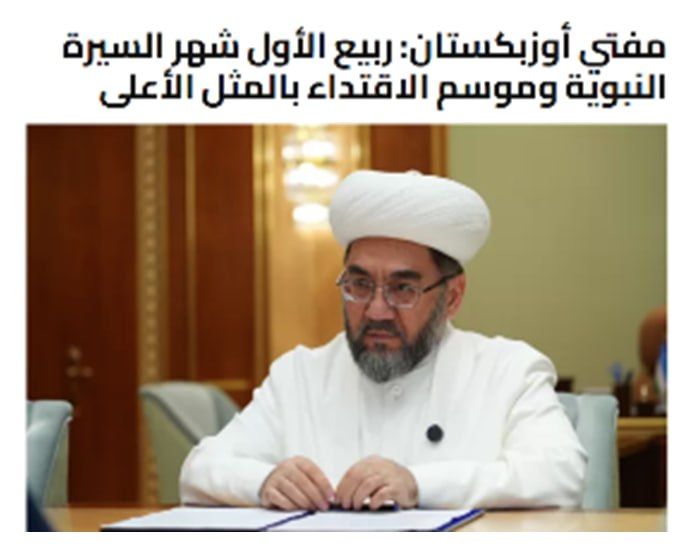
Board of Uzbekistan, Muftiy Usmankhan Alimov



 Iman
Iman  Prayer
  Fasting
  Zakat
Zakat  Haj
Haj  Qur`an
  Lessons of Islam
  Contact