Ravil Gaynutdin congratulated Muslim Board of Uzbekistan
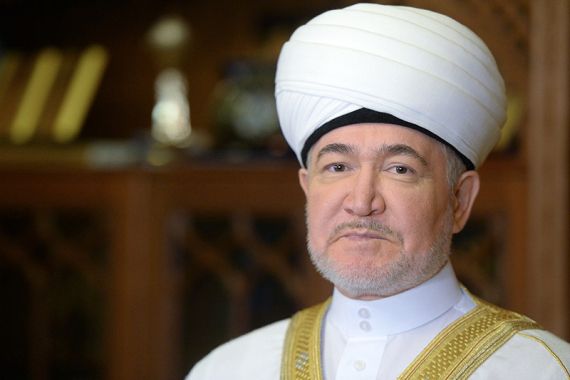
To Usmankhan Alimov
Chairman of Muslim Board of Uzbekistan, Muftiy
Letter of Congratulation
Ravil Gaynutdin, Chairman of Muslim Board of Russian Federation and Council of Muftiys of Russian Federation, Member of Council on interaction with religious organizations under President of Russian Federation congratulated Usmankhan Alimov, Chairman of Muslim Board of Uzbekistan on receiving the state registry document of Islamic Academy:
To Usmankhan Alimov,
Member of World Islamic Ulema Council,
Member of Founding Council of World Islamic League,
Chairman of Muslim Board of Uzbekistan, Muftiy
Letter of Congratulation
Dear Muftiy!
On behalf of Muslim Board of Russian Federation, Council of Muftiys of Russian Federation and personally myself, I congratulate you on receiving Certificate of State Registry of Islamic Academy.
Praise be to Allah that as in times of our great ancestors like Imam Bukhariy, Imam Termiziy, Abdulhalik Gijduvaniy, Bahouddin Naqshbandiy, today as well due to the support by President Shavkat Miromonovich Mirziyoyev and great work of Muslim Board of Uzbekistan under your management new traditions of Islamic Higher Education are reviving in Uzbekistan.
Мен Ислом академиясининг Ўзбекистон ва ислом манфаати йўлида муваффақиятли ва самарали фаолият олиб боришига тилакдошман. Ўз дини ва умматига фидокорона хизмат қилиб келаётган инсон сифатида Сиз азиз биродаримнинг барча эзгу ишларингизга Аллоҳнинг ўзи мададкор бўлишини чин дилдан тилаб қоламан!
I wish successful and fruitful efforts for the activity of the Academy for the sake of Uzbekistan and Islam. For you, dear brother, as the person who sincerely serves his religion and ummah, I genuinely wish you help from Allah in all your efforts!
With much respect and prayers,
Ravil Gaynutdin,
Chairman of Muslim Board of Russian Federation,
Council of Muftiys of Russian Federation,
Member of Council on interaction
with religious organizations under President of Russian Federation
Press Service,
Muslim Board of Uzbekistan
The Central Bank forecasts the emergence of at least 10 Islamic banks by 2030
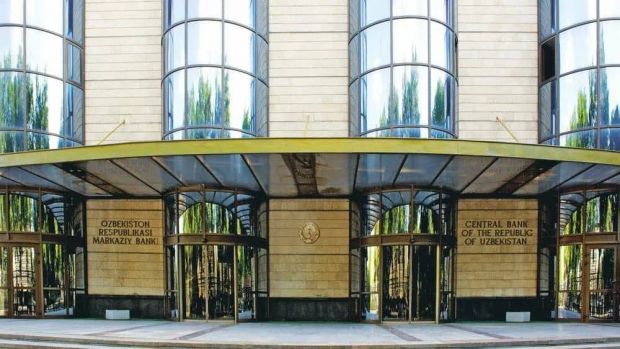
The Central Bank expects to establish at least 10 full-fledged Islamic banks by 2030. Also, “Islamic windows” — branches providing Sharia financial services — will appear in three state banks. The Central Bank considers Islamic finance as a tool for withdrawing funds from the shadow economy.
Why is this important
According to a UNDP survey, 68% of Uzbekistan’s population does not want to use traditional banking services due to religious beliefs. Launching Islamic banks will expand financial inclusion, increase bank assets, and reduce the share of the shadow economy. This is the largest transformation of the financial system since independence.
What happened
- The Central Bank forecasts the emergence of at least 10 Islamic banks by 2030;
- Three state banks (not yet defined) will create “Islamic windows”;
- CB Deputy Chairman Abrorhuja Turdaliyev called Islamic finance a tool for bringing funds out of the shadows;
- In September, the Legislative Chamber approved the law on Islamic banking activities in the first reading;
- UNDP Survey: 68% of the population and 60% of businesses do not use traditional banks due to their religious beliefs.
Draft law
The document introduces the concepts of “Islamic banking activity”, “Islamic financial operations”, “investment deposit”, and others. A separate license is provided for Islamic banks. Classical banks will be able to organize “Islamic windows” if they have a license.
Islamic products: Murabaha (deferred trade financing), Mudaraba (investment partnership), Mushoraka (joint venture), Wakala (agency financing), Salam (prepayment of goods).
Features of regulation
- Islamic banks will be able to conduct direct trade activities, establish legal entities, and acquire shares in the authorized capital without restrictions;
- Islamic Finance Councils (Sharia Councils) will be established under the Central Bank and banks;
- Notarial acts of Islamic banks are exempt from state duty;
- A separate tax regime may be introduced, taking into account the specifics of Islamic finance.
Assessment of demand
The Deputy Chairman of the Central Bank clarified: when we talk about 50-60% of the population preferring Islamic finance, we are talking about those who prefer it. Those who categorically refuse traditional services are significantly fewer.
Context
Islamic finance prohibits the collection of interest (riba) and speculative operations. Instead, partnership models are used, where the bank and the client share profits and risks. Uzbekistan is a predominantly Muslim country (90%+ of the population), where a significant portion of citizens avoid traditional banks for religious reasons.
Creating 10 Islamic banks by 2030 is an ambitious task, given that there are currently around 35 commercial banks operating in the country. “Islamic windows” in state banks will allow large players (Uzpromstroybank, Halyk Bank, Asaka Bank) to enter a new segment of clients without creating separate structures.
The Central Bank sees Islamic finance as a tool for combating the shadow economy: religiously motivated citizens who do not trust traditional banks will be able to legalize funds through Sharia products.
A separate tax regime may include benefits for Murabaha-type operations, where the bank formally purchases goods and resells them to the client with a markup — to avoid double taxation.