To Usmankhan Alimov
Chairman of Muslim Board of Uzbekistan, Muftiy
Letter of Congratulation
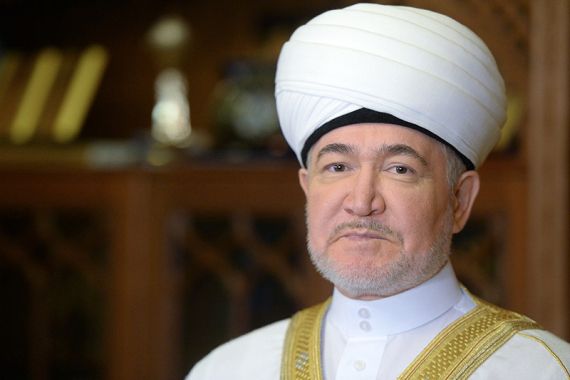
Ravil Gaynutdin, Chairman of Muslim Board of Russian Federation and Council of Muftiys of Russian Federation, Member of Council on interaction with religious organizations under President of Russian Federation congratulated Usmankhan Alimov, Chairman of Muslim Board of Uzbekistan on receiving the state registry document of Islamic Academy:
To Usmankhan Alimov,
Member of World Islamic Ulema Council,
Member of Founding Council of World Islamic League,
Chairman of Muslim Board of Uzbekistan, Muftiy
Letter of Congratulation
Dear Muftiy!
On behalf of Muslim Board of Russian Federation, Council of Muftiys of Russian Federation and personally myself, I congratulate you on receiving Certificate of State Registry of Islamic Academy.
Praise be to Allah that as in times of our great ancestors like Imam Bukhariy, Imam Termiziy, Abdulhalik Gijduvaniy, Bahouddin Naqshbandiy, today as well due to the support by President Shavkat Miromonovich Mirziyoyev and great work of Muslim Board of Uzbekistan under your management new traditions of Islamic Higher Education are reviving in Uzbekistan.
Мен Ислом академиясининг Ўзбекистон ва ислом манфаати йўлида муваффақиятли ва самарали фаолият олиб боришига тилакдошман. Ўз дини ва умматига фидокорона хизмат қилиб келаётган инсон сифатида Сиз азиз биродаримнинг барча эзгу ишларингизга Аллоҳнинг ўзи мададкор бўлишини чин дилдан тилаб қоламан!
I wish successful and fruitful efforts for the activity of the Academy for the sake of Uzbekistan and Islam. For you, dear brother, as the person who sincerely serves his religion and ummah, I genuinely wish you help from Allah in all your efforts!
With much respect and prayers,
Ravil Gaynutdin,
Chairman of Muslim Board of Russian Federation,
Council of Muftiys of Russian Federation,
Member of Council on interaction
with religious organizations under President of Russian Federation
Press Service,
Muslim Board of Uzbekistan



 Iman
Iman  Prayer
  Fasting
  Zakat
Zakat  Haj
Haj  Qur`an
  Lessons of Islam
  Contact