News
Saudi Press: Uzbekistan expands international cooperation in cultural, humanitarian, tourism spheres
24.08.2026
78822
2 min.

Analytical articles have been published in prominent Saudi media outlets covering Uzbekistan’s international cooperation in the cultural and humanitarian, tourism and sports spheres, as well as major upcoming events in the country, reports Dunyo IA.
In particular, Saudi online newspaper “Amwaj” extensively previewed the International Media Forum titled “Islamic Civilization: New Vision, New Discoveries”, to be held in Tashkent from August 24th to 29th. Publications note that the large-scale event, the main part of which will take place at the Islamic Civilization Center, will bring together leading foreign journalists and international experts. The forum programme includes plenary sessions, master classes for students, media tours and visits to historical sites in Samarkand, and is timed to coincide with celebrations marking the 35th Anniversary of the State Independence of Uzbekistan.
Publication also covered the outcomes of the First Uzbek-Georgian Tourism Forum, held in Samarkand on August 17th and organized by the Committee of Tourism of Uzbekistan. It emphasized that the event served as a practical follow-up to the agreements reached during the state visit of the President of the Republic of Uzbekistan Shavkat Mirziyoyev to Georgia. The sides discussed the development of joint tourism products, the expansion of direct air connectivity and the development of new types of tourism. The publication also highlighted the significant growth in tourist arrivals from Georgia and the impressive overall performance of Uzbekistan’s tourism sector.
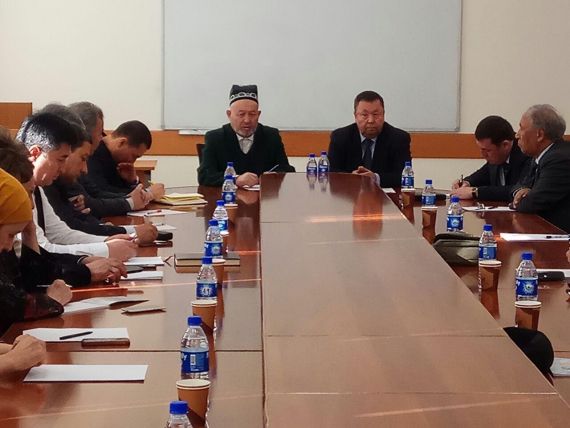
Official Saudi news agency, “Saudi Press Agency” (SPA), reported on the signing in Jeddah of the Executive Programme of the Memorandum of Understanding between the Ministry of Islamic Affairs, Dawah and Guidance of the Kingdom of Saudi Arabia and the Committee on Religious Affairs of Uzbekistan. Document is aimed at strengthening the principles of moderation, countering extremism, organizing training courses for preachers and imams and developing cooperation in the study and dissemination of the meanings of the Holy Qur’an.
SHARE INFORMATION ON SOCIAL NETWORKS



 Iman
Iman  Prayer
  Fasting
  Zakat
Zakat  Haj
Haj  Qur`an
  Lessons of Islam
  Contact