Qur’an contest winners of Zamin, Djizzak region were announced
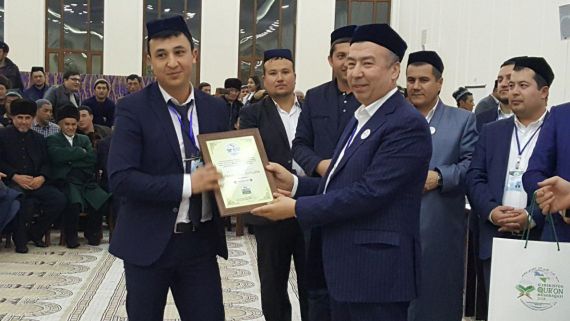
The regional rounds of Republican Qur’an Contest in Djizzak region ended in high spirit. The competition which is being held with the initiative of the President Shavkat Mirziyoyev was meant to discover new talents with the idea to support them in the future.
Here’s the list of winners.
MALE PARTICIPANTS
The first qualifying area:
Winners in Hifz (Qur’an memorization):
18-25 years old participants:
1st place – Dovudov Muzaffar
26-40 years old participants:
1st place – Saidazimov Abdulhamid
2nd place – Nishonov Abdurauf
3rd place – Malikov Sanjar
Winners in Tilawat nomination:
18-25 years old participants:
1st place – Khidirboyev Khusan
2nd place – Rahmatullayev Muhammaddiyor
3rd place – Kholturayev Abdurrazzoq, Khushbokov Sayoriddin
26-40 years old participants:
1st place – Mahmudov Bayozkhon
2nd place – Abdullayev Olimjon
3rd place – Turdiyev Sanjar
The second qualifying area:
Winners in Hifz (Qur’an memorization):
26-40 years old participants:
1st place – Atabayev Izzatulloh
Winners in Tilawat nomination:
18-25 years old participants:
1st place – Khamidov Islmojon
2nd place – Elmurotov Doniyor
3rd place – Urazametov Sardor
26-40 years old participants:
1st place – Mirzayev Abdusamad
2nd place – Norbotirov Abbos
3rd place – Abdurahimov Doston
FEMALE PARTICIPANTS
The first qualifying area:
Winners:
18-25 years old participants:
1st place – Atabayeva Nafisa
2nd place – Rashidova Niso
3rd place – Ubaydullayeva Soliha
26-40 years old participants:
1st place – Mirzakulova Makhsuda
2nd place – Ismatullayeva Mekhriniso
3rd place – Isayeva Markhabo
The second qualifying area:
Winners in Hifz (Qur’an memorization):
26-40 years old participants:
1st place – Bozorova Yorqinoy
2nd place – Qirjigitova Bibioysha
3rd place – Hakimova Dilnoza
Press Service,
Muslim Board of Uzbekistan
1,000 Riyal Fine Imposed for Feeding Pigeons near Masjid al Haram
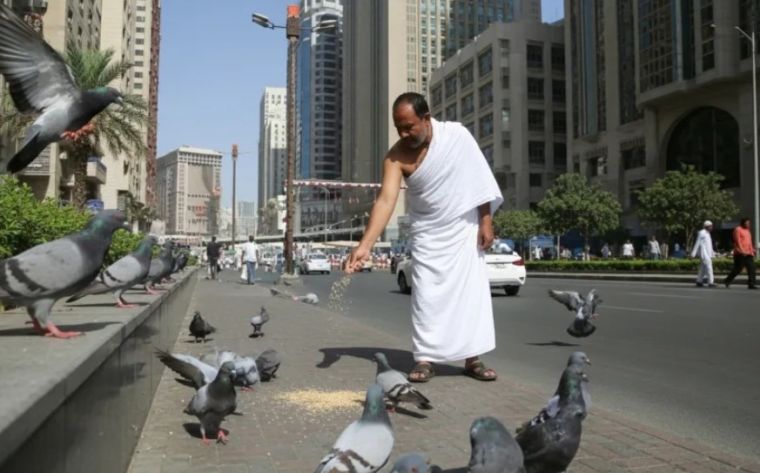
The Secretariat of the Holy Capital has implemented a strict ban on feeding pigeons in Mecca and Medina, with violators facing fines of 1,000 Saudi riyals.
The new regulation, announced to protect public health and maintain environmental cleanliness in Islam’s two holiest cities.
The secretariat has established continuous monitoring programs to enforce the ban and is encouraging citizens and visitors to participate in reporting violations.
Individuals can photograph offenders and submit evidence to local police, creating a community-based enforcement system.
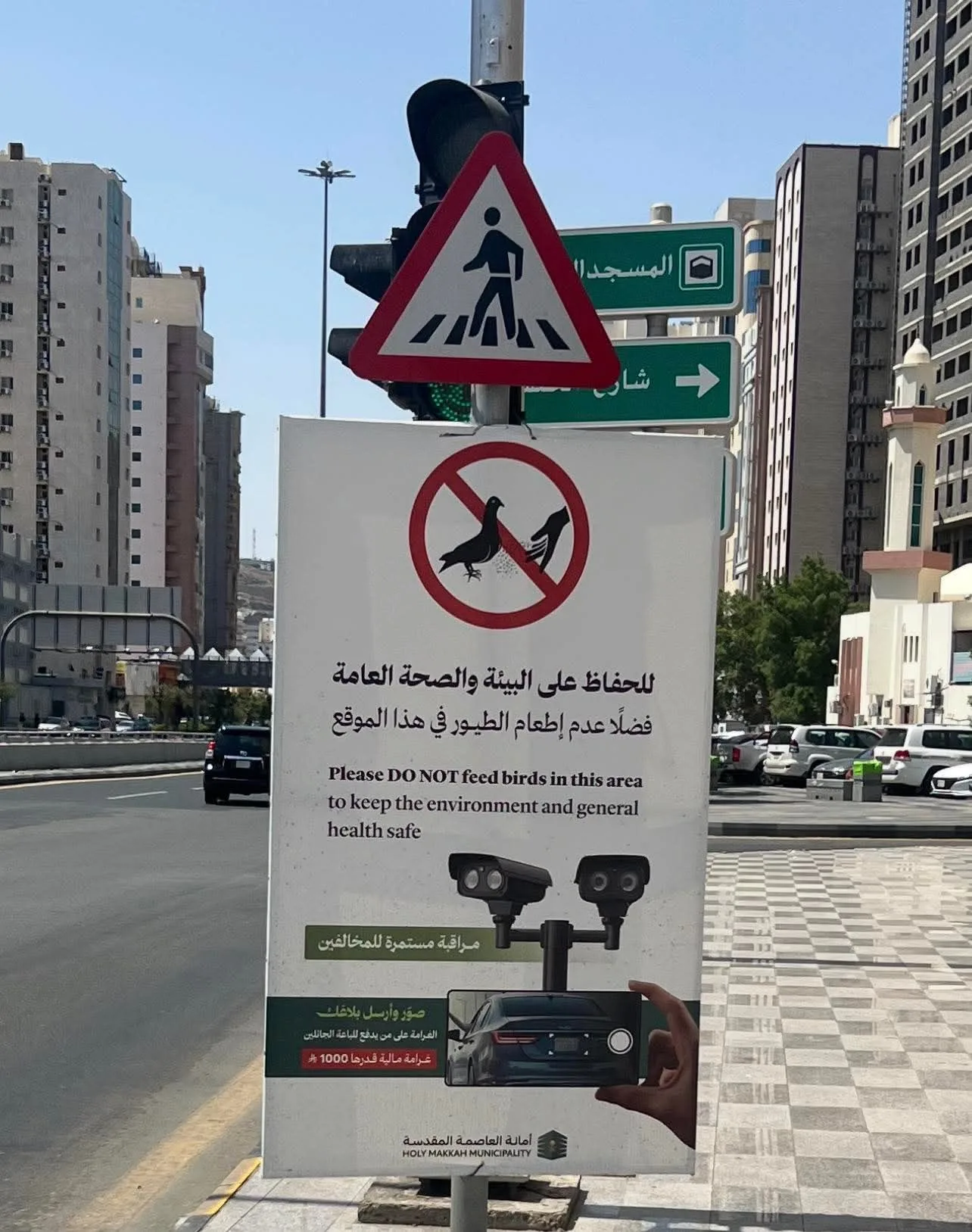
Officials cite concerns about disease transmission, property damage, and environmental pollution as primary reasons for the prohibition.
The initiative represents the latest in a series of measures to enhance urban quality and public health standards in the holy cities, which host millions of pilgrims annually.
Previous regulations have addressed street vending, waste management, and public behavior to preserve the sanctity and cleanliness of the religious sites.
Municipal officials emphasized that the ban particularly targets areas around the Grand Mosque and Prophet’s Mosque, where large pigeon populations have historically gathered due to public feeding.