International festival on Qur’an reading will be in Uzbekistan
The draft of the state program on action plans was elaborated for “2018 – the year of Support of active entrepreneurship, innovative ideas and technology” within the framework of Action Strategies on the five directions for the development of Uzbekistan in 2017-2021.
According to President’s degree dated November 28, 2017 public discussion is going to be taken into account until January 15, 2018.
The fifth direction of Action strategy of the State Program Draft is “Provision of security, international harmony and religious tolerance with priorities on deeply-well-thought, mutual and practical foreign policy.” There are a number of articles related to religious sphere. Here is the one related to organizing international Qur’an festival:
Article 219. Organition of the 1st International Festival on Qur’an reading. The deadline is July 10, 2018 and will be in Bukhara region.
Organizational acitivies:
- promotion of pure essence of Islam in the world community;
- rewarding Qur’an reciter in various nominations;
- support of society and youth in enlightenment;
- promotion of rich historical, religious and cultural heritage to tourists.
Press service,
Muslim Board of Uzbekistan
The Charter Of Makkah
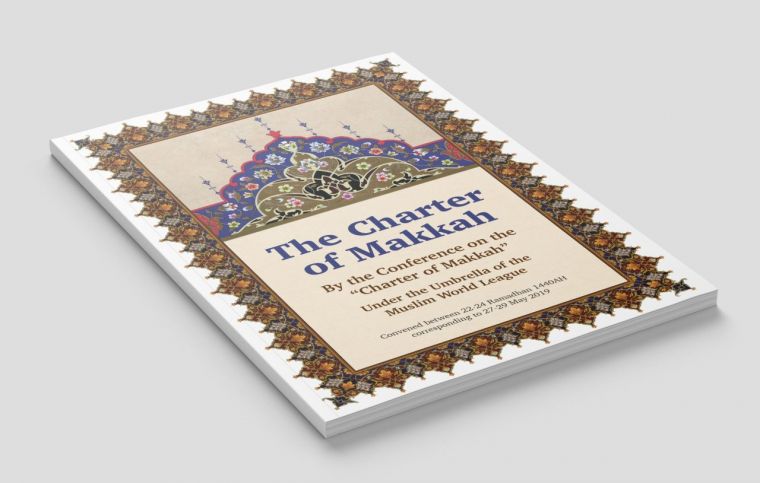
The Charter Of Makkah, endorsed by the muftis and scholars of the Islamic Ummah from various schools of thought and sects, as well as by the member states of the OIC, is considered the second charter of its kind in Islamic history after the Charter of Medina, signed by our Prophet Muhammad (peace and blessings be upon him).
As a pivotal charter in a pressing contemporary context, it reflects the high aspirations of Islamic scholarship in confronting numerous challenges and shortcomings, and in addressing narrow-mindedness, backwardness, and extremism that have emerged in various contexts.
The Charter also embodies the compassion and mercy of Islam for the world. It supports the causes of coexistence and positive integration, and affirms the harmonious reconciliation—within the true message of Islam—of religious and national identities, particularly in diverse societies and in countries with Muslim minorities.