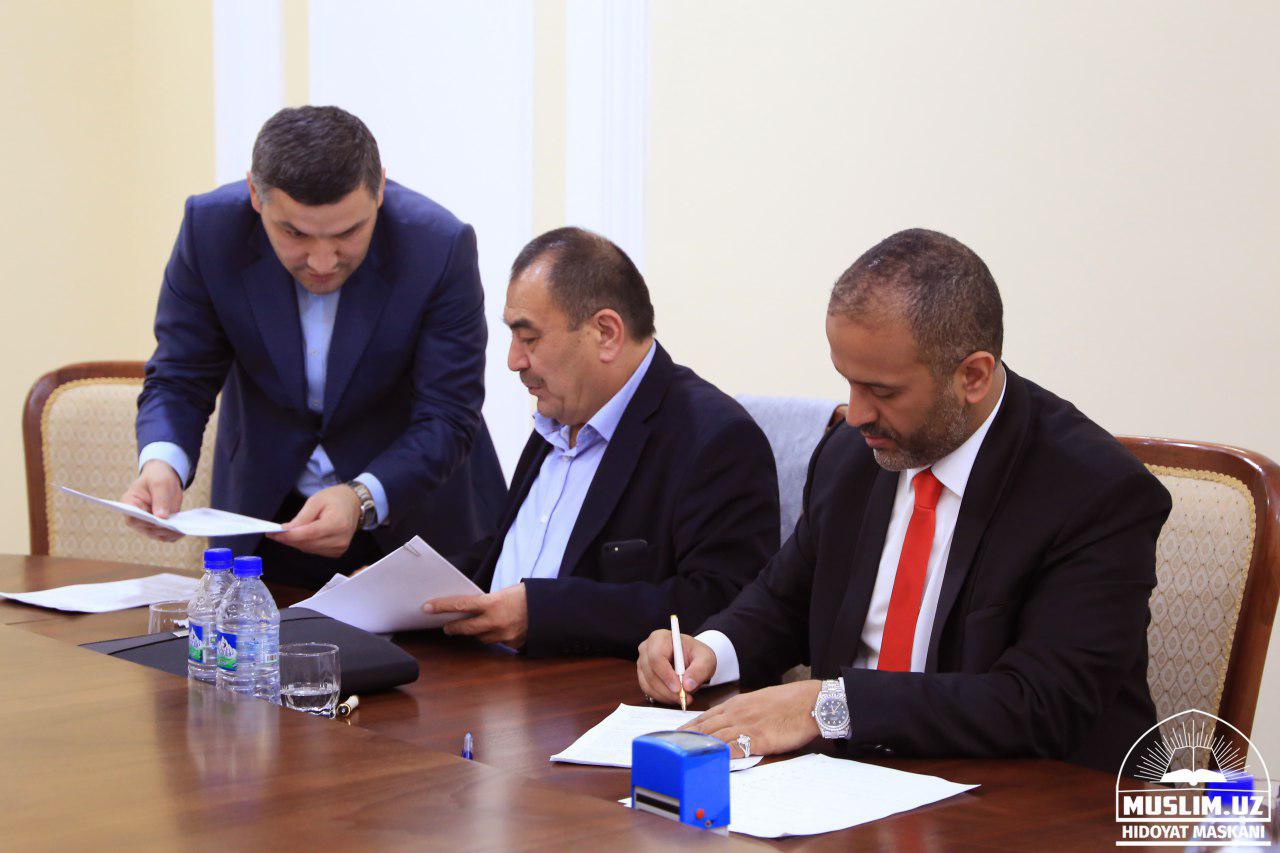
“Umrah-2018” agreement was signed with “al-Hidoya” company
27.12.2017
28368
2 min.
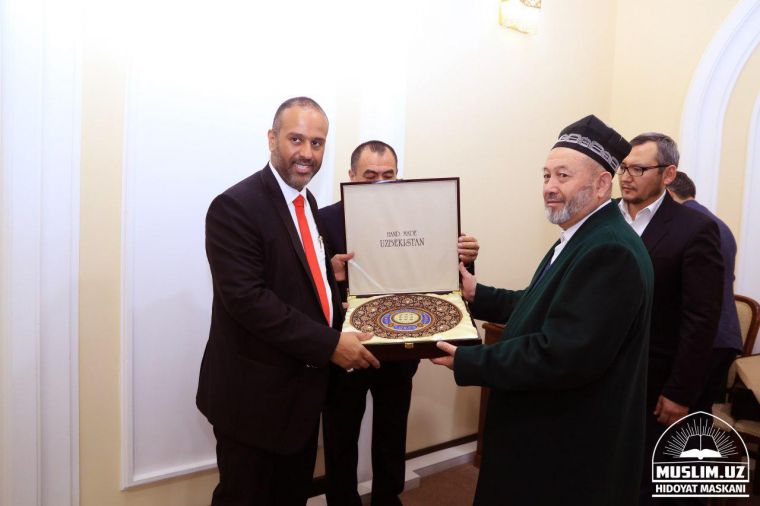
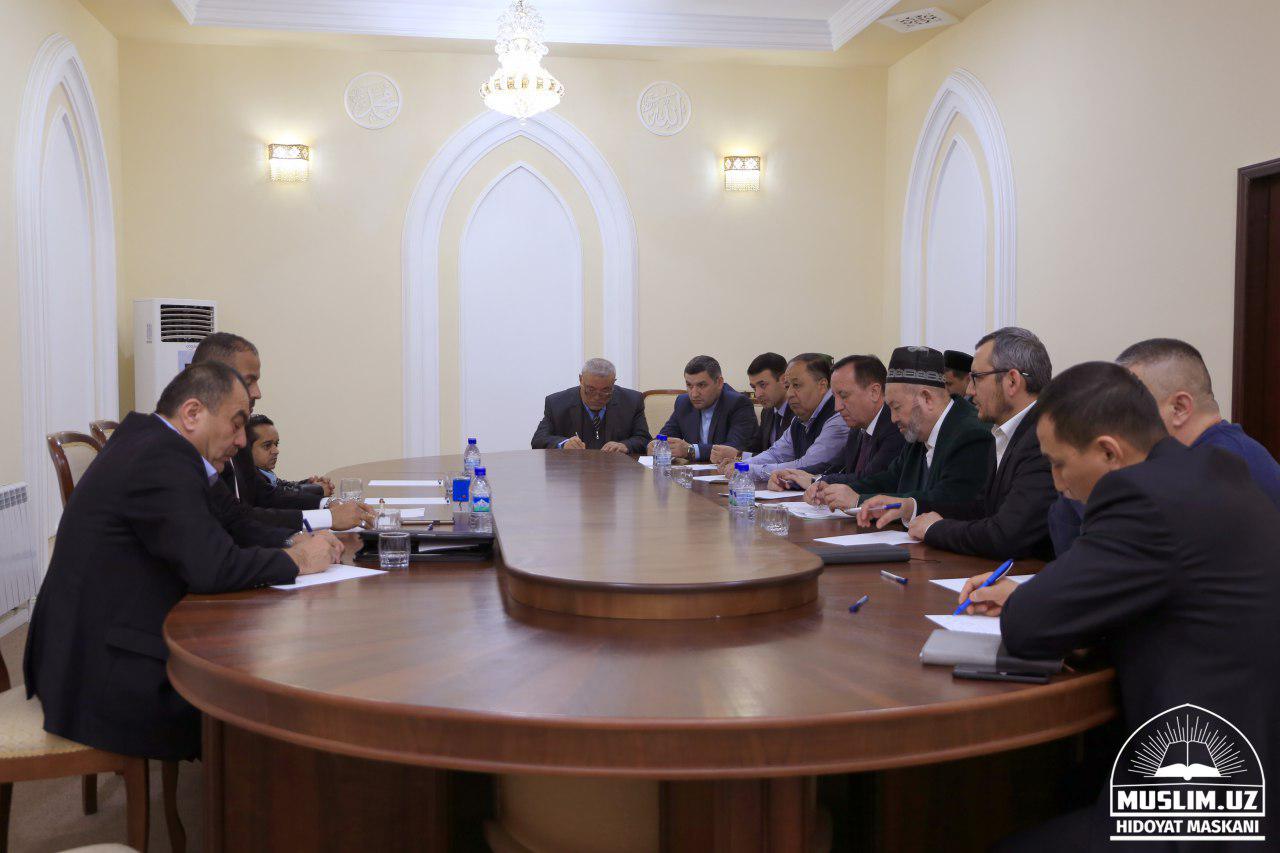
Yesterday on December 26th Muslim Board of Uzbekistan received Sheykh Salikh Salim Bahvayniy, the managing director of “al-Hidoya” company. The guest was welcomed by Ortikbek Yusupov, the Chairman of Committee on religious affairs under Cabinet Ministers of Uzbekistan and Usmankhan Alimov, Muftiy, Chairman of Muslim Board of Uzbekistan.
In his speech Usmankhan Alimov commented that with partnership of “al-Hidoya” company haj and umrah visits have been continuing successfully. However, it was suggested to improve the quality of services in hotels, transportation, meals, providing additional spaces in Mina and Musdalifa, creating more favorable conditions for the coordinating group of organizers, chefs and medical staff for the next year.
During the talks Ortikbek Yusupov underlined to book new hotels in Madina, to pay attention to organize general dining hall, to allocate separate room for organizers.
In his turn Sheyh Salih Salim Bahvaniy noted that serving to pilgrims was a great honor for him and his company, as a result Sheyh Salih stressed that his company serving pilgrims as for their family. Also, he noted to take into account all the comments and improve them in the coming pilgrimage. Sheyh also expressed his gratitude for the partnership.
At the end of the meeting agreement on “Umra-2018” was signed. According to the document 8500 pilgrims in spring season and 1500 pilgrims in Ramadan season will perform umrah. “Umra-2018” campaign is going to start on February 1st, 2018.
Press Service,
Muslim Board of Uzbekistan

SHARE INFORMATION ON SOCIAL NETWORKS



 Iman
Iman  Prayer
  Fasting
  Zakat
Zakat  Haj
Haj  Qur`an
  Lessons of Islam
  Contact