News
Saudi Press: Uzbekistan plays an important role in the revival of Islamic Science and Cultural Heritage
20.07.2026
47323
2 min.
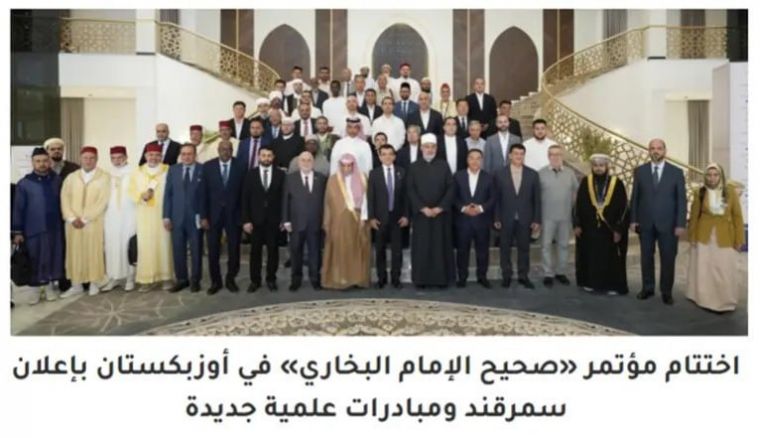
Analytical materials dedicated to the 1st International Forum of Islamic Civilization held in Uzbekistan, as well as the initiatives put forward within its framework, have been published in the authoritative media of Saudi Arabia, reports Dunyo IA.
In particular, “Al-Watan” newspaper presented the First International Forum of Islamic Civilization not merely as a traditional academic meeting, but as a large-scale historical project aimed at the revival of Islamic culture. In the publication, Uzbekistan is recognized as one of the most important historical cradles of the Islamic world.
“UNA” Information Agency paid special attention to the reforms in the religious and educational sphere implemented at the initiative of the President of Uzbekistan Shavkat Mirziyoyev.
It is emphasized that the restoration and study of the rich spiritual and cultural heritage in the country has been elevated to the rank of state policy. It is noted that the Samarkand Declaration, adopted following the forum, as well as the new scientific initiatives proposed on its basis, will be of great importance for the preservation of the traditions of Hadith studies and Islamic heritage.
Saudi media also detailed the Center for Islamic Civilization of Uzbekistan. It is noted that the Center is a modern scientific and educational institution designed to study, preserve and popularize the Islamic culture, scientific heritage, and spiritual values of the country.
Center's exposition includes materials on the lives and scientific heritage of great scholars born on the territory of modern Uzbekistan, rare manuscripts, ancient copies of the Quran, archaeological finds, historical documents, works of art, as well as modern interactive multimedia exhibitions.
SHARE INFORMATION ON SOCIAL NETWORKS



 Iman
Iman  Prayer
  Fasting
  Zakat
Zakat  Haj
Haj  Qur`an
  Lessons of Islam
  Contact