Uzbekistan’s Ziyarat Tourism capacity was demonstrated in Malaysia
18.12.2017
24563
2 min.
Uzbekistan is the place which the Creator loves a lot. There are countless scientists from this sacred land that people from all over the world want to see their resting places and the buildings they raised. Uzbekistan is considered to be one of the best countries for Ziyarat tourism.
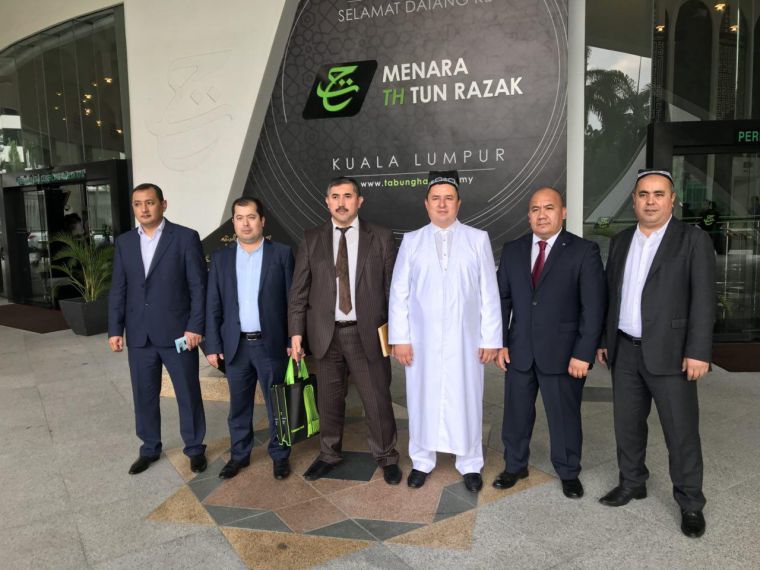
Grand scale of works on promoting tourism is carried out by Committee on religious affairs under the Cabinet Ministers of Uzbekistan. For this reason the Delegation from Uzbekistan visited Malaysia. On December 13th they arrived in Kuala Lumpur international airport.
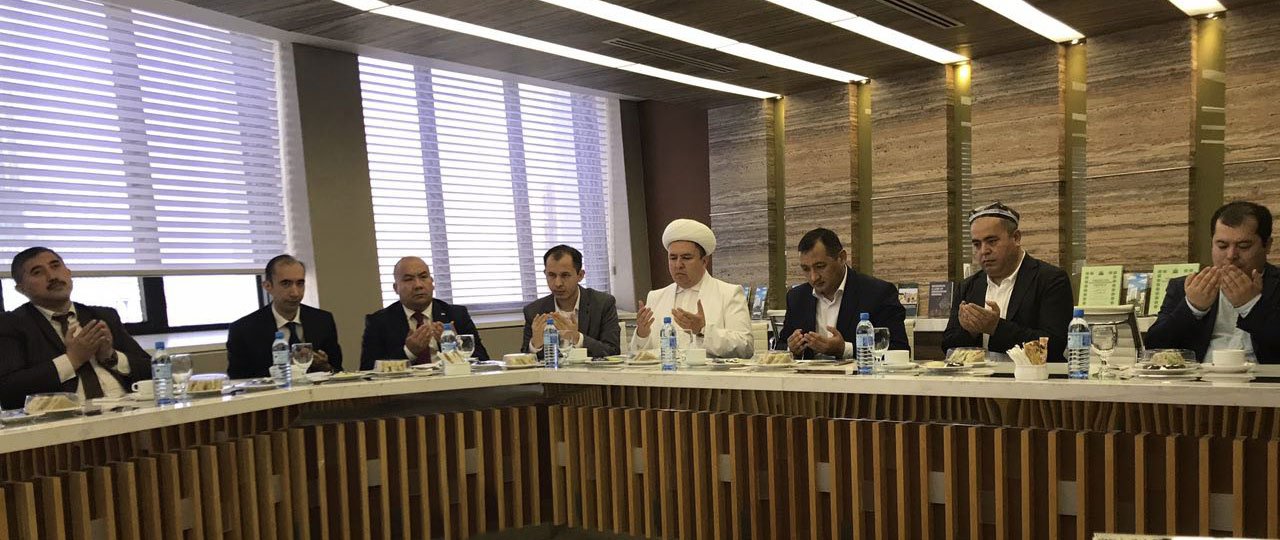
On December 14th the delegation met with the representatives from “Tabung Khaji” fund which specializes in haj issues. The delegation from our country presented gifts to Malaysian partners on behalf of Usmankhan Alimov, the Chairman of Muslim Board of Uzbekistan.
Earlier the delegation from Uzbekistan for the first time participated in “Travel Turkey Izmir-2017”. Besides, in order to create more opportunities for the ziyarat tourists Tashkent International Airport opened pray room.
Beginning from January 1st 2018 minimum 1/10 of every hotel is to have Koran, prayer mat and Kibla indicator.
On December 14th Uzbek delegation visited “MATTA” headquarters, touristic association with more than 3100 tourist agencies. The main responsibility of the association is to protect interests of touristic agencies. At the end of the meeting the delegation from Uzbekistan handed over the gifts of Usmankhon Alimov, the Chairman of Muslim Board of Uzbekistan.


SHARE INFORMATION ON SOCIAL NETWORKS



 Iman
Iman  Prayer
  Fasting
  Zakat
Zakat  Haj
Haj  Qur`an
  Lessons of Islam
  Contact