First brick was laid for the “Norkhodja – the son of Valikhodja” grand mosque
12.12.2017
15946
2 min.
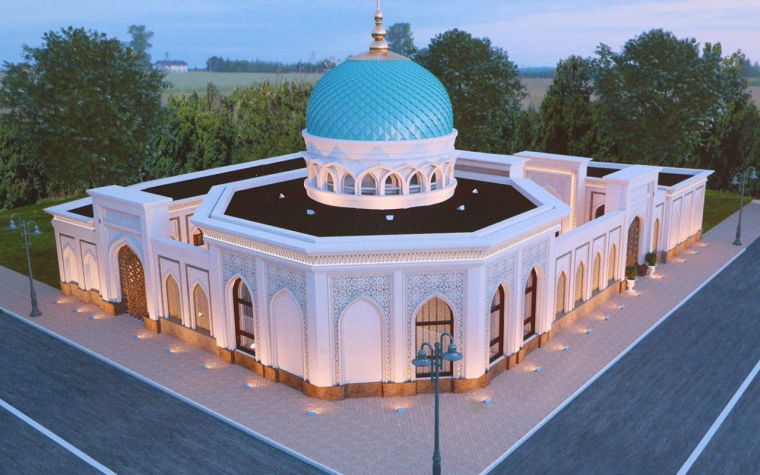
Alhamdulillah, due to peace in our country and special attention from the state leader and state bodies to protect our traditional-religious values, new mosques are being raised. Looking at the various evil destructive incidences happening in the world towards mosques we cannot stop thanking Allah for the opportunity to build new mosques in our country.
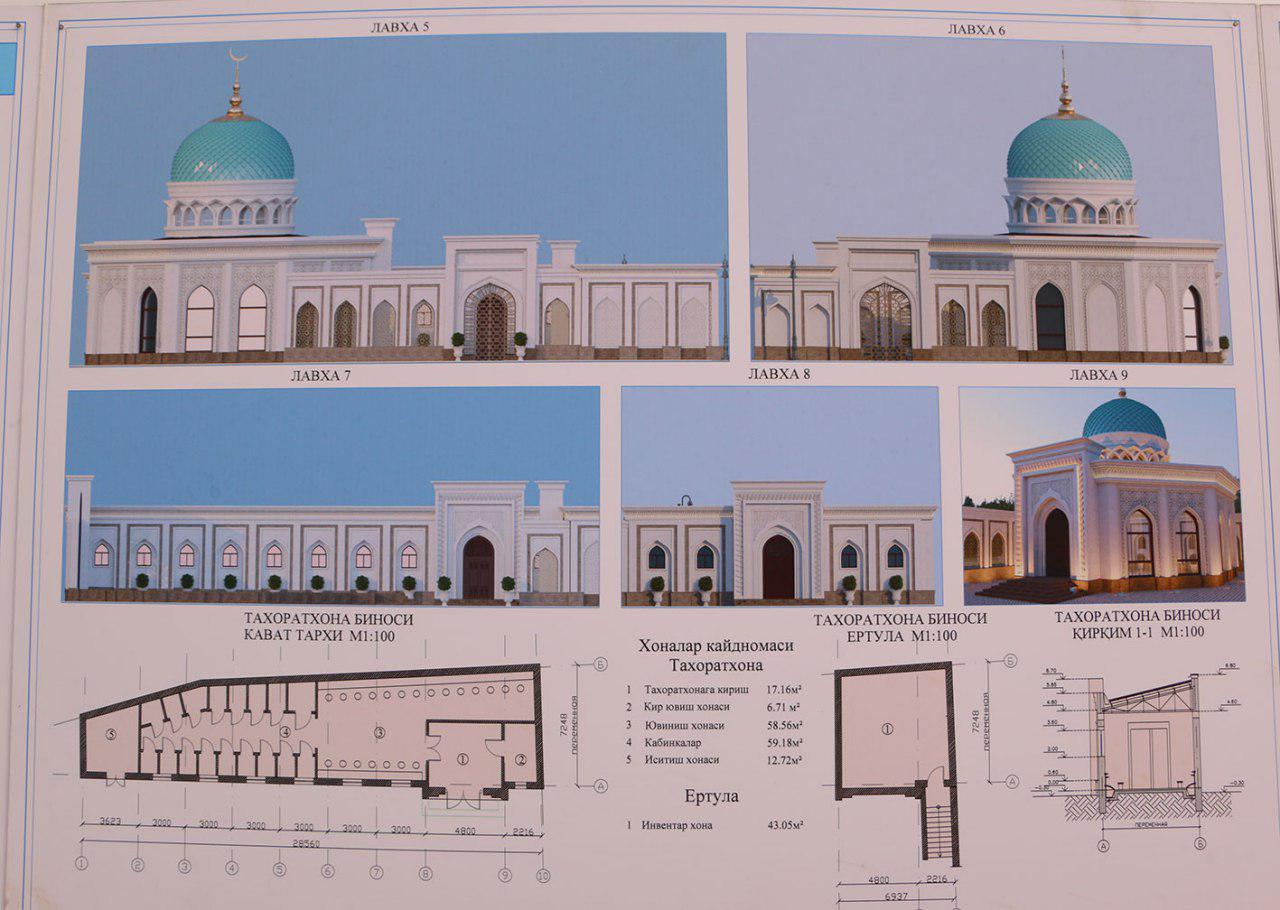
“Norkhodja bin Valikhodja” grand mosque was initially built in 1962 in Fayzobod neighbourhood in Tashkent. The mosque did not function during the Soviet times. In the early period of independence (1991-1992) Norkhodja who resided in Fayzobod neighborhood initiated the reconstruction of the mosque. In 1997 the mosque was named after Norkhodja (the son of Valikhodja). From 1999 the mosque started to function as a grand mosque.
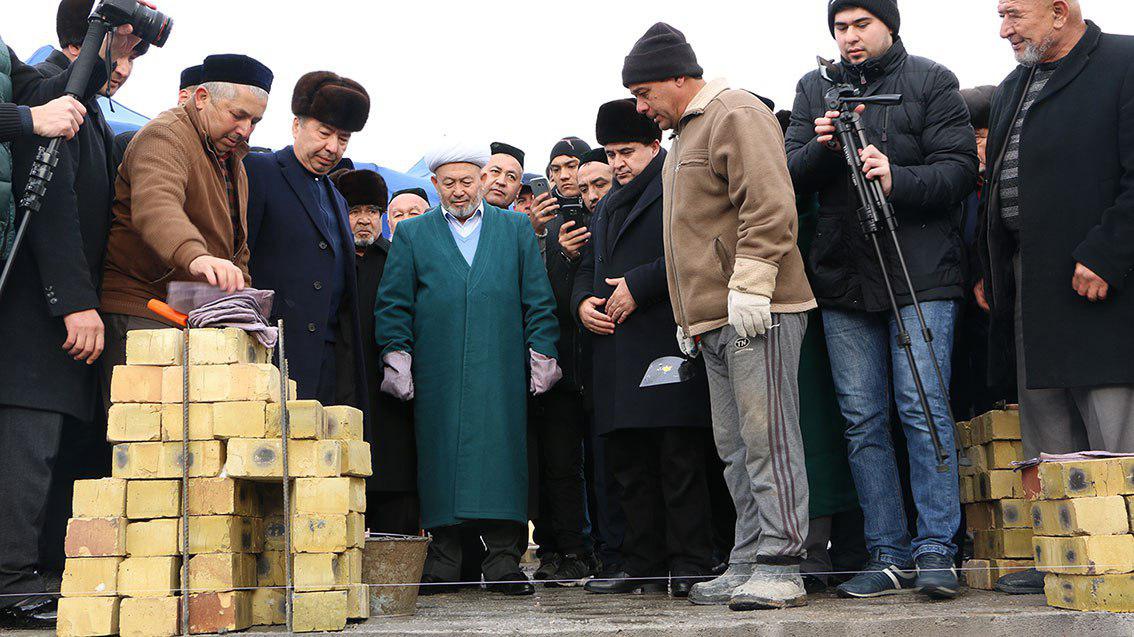
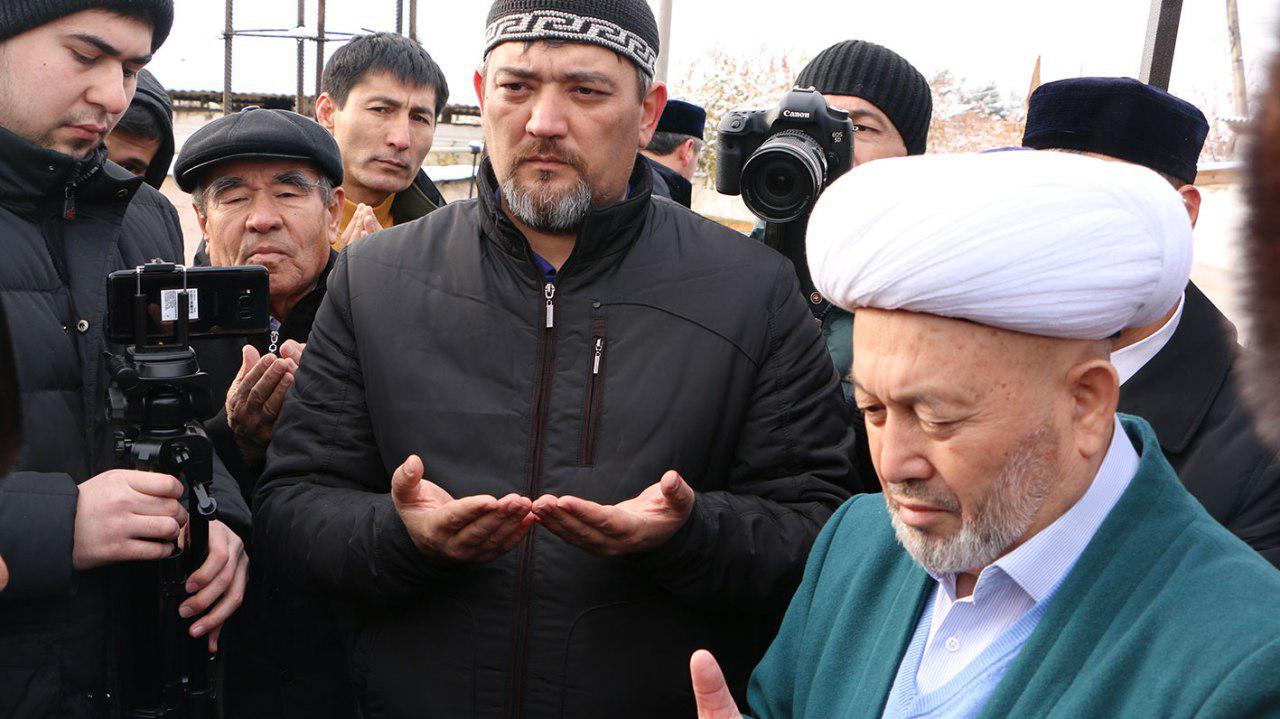
Considering the fact that the mosque needed to get completely reconstructed the first brick was laid on December 2.
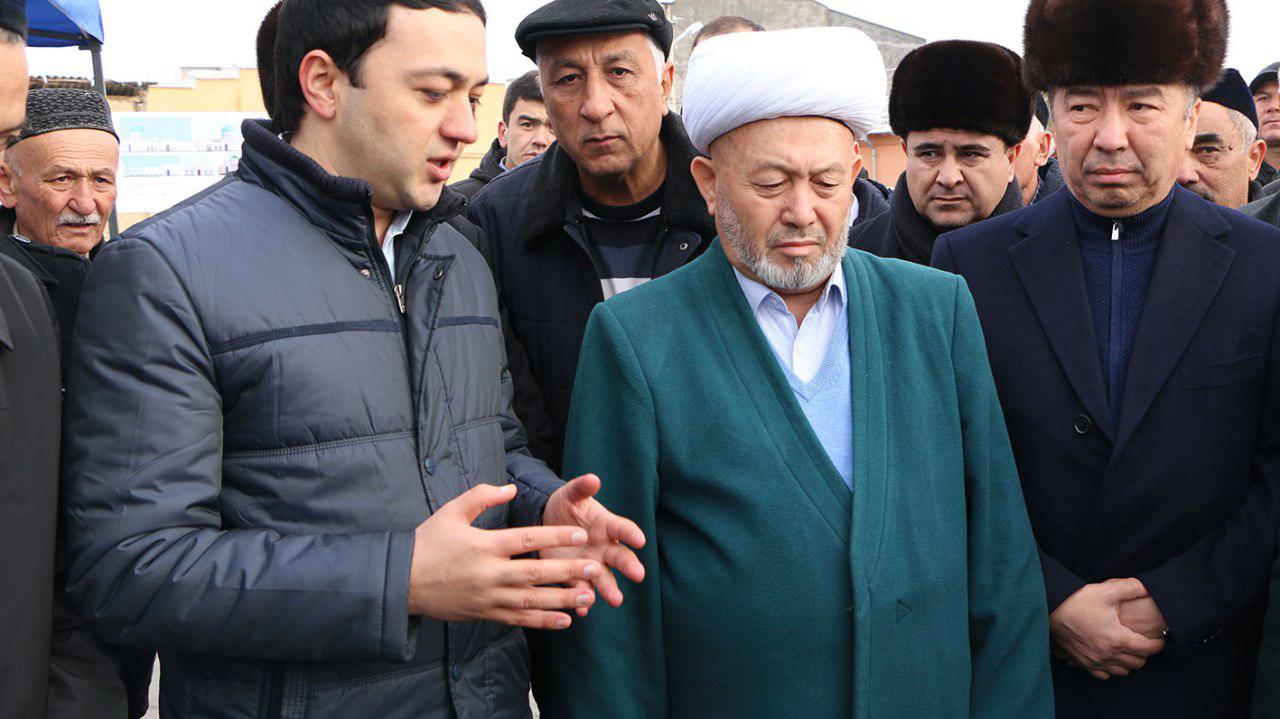
Khazrat Usmonkhon Alimov, the Chairman of Muslim Board of Uzbekistan, Muftiy and other official representatives took part in the brick laying ceremony of the mosque building. It was really enjoyable that it had happened during this month – the month of mawleed.



Press Service of Muslim Board of Uzbekistan
SHARE INFORMATION ON SOCIAL NETWORKS



 Iman
Iman  Prayer
  Fasting
  Zakat
Zakat  Haj
Haj  Qur`an
  Lessons of Islam
  Contact

