Bukhara hosts International Pilgrimage Tourism Week
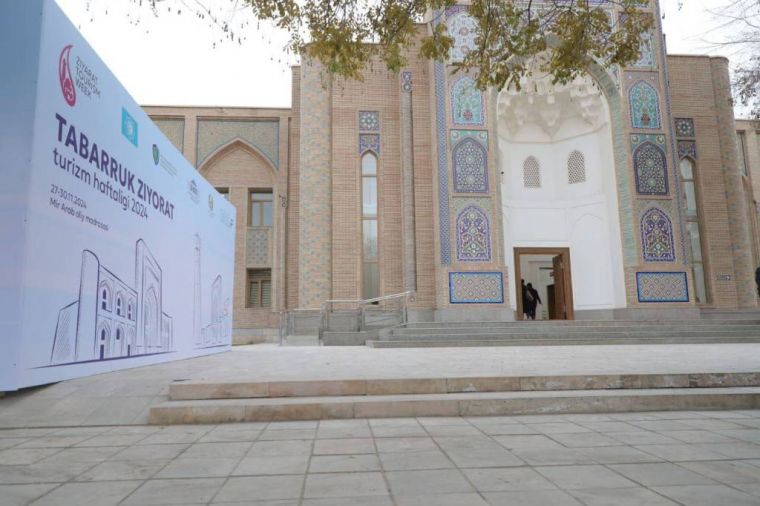
Representatives of the sphere, local and international media, members of the Committee on Religious Affairs, and the Committee on Tourism took part in the opening of the International Pilgrimage Tourism Week.
The International Pilgrimage Tourism Week is dedicated to the scientific and spiritual heritage of such representatives of the Islamic world as Abu Hafs Kabir Bukhari, Sayf al-Din Bakharzi, Abdulkholik Gijduvani, and Bahauddin Naqshband. Bukhara, among the famous seven cities such as Makkah, Madinah, Mazar-i-Sharif, Jerusalem, Baghdad, and Damascus, once again demonstrates itself as a city that has made an invaluable contribution to the glory of Islam.
To ensure the implementation of reforms in the tourism sector, in particular the further development of pilgrimage tourism, practical work is being carried out in Uzbekistan to establish the Golden Ring tourist route, increase air routes between Muslim countries, and build large hotels, tourist centers, and restaurants with the participation of investors.
Bukhara, the pearl of Islamic civilization, will host events and conferences during the International Pilgrimage Tourism Week.
1,000 Riyal Fine Imposed for Feeding Pigeons near Masjid al Haram
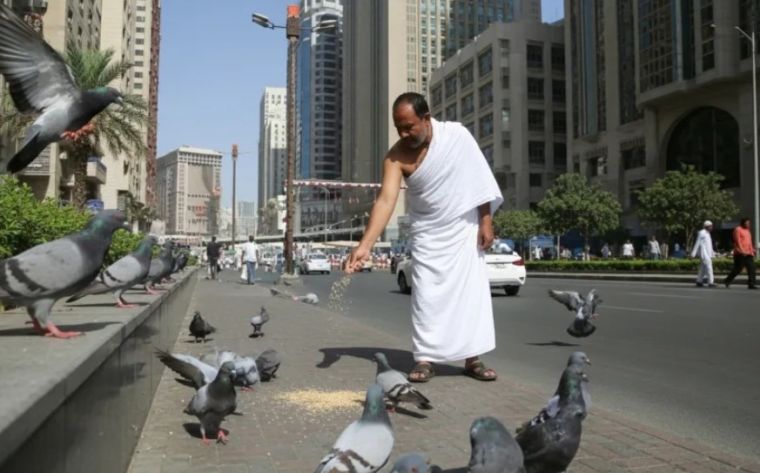
The Secretariat of the Holy Capital has implemented a strict ban on feeding pigeons in Mecca and Medina, with violators facing fines of 1,000 Saudi riyals.
The new regulation, announced to protect public health and maintain environmental cleanliness in Islam’s two holiest cities.
The secretariat has established continuous monitoring programs to enforce the ban and is encouraging citizens and visitors to participate in reporting violations.
Individuals can photograph offenders and submit evidence to local police, creating a community-based enforcement system.
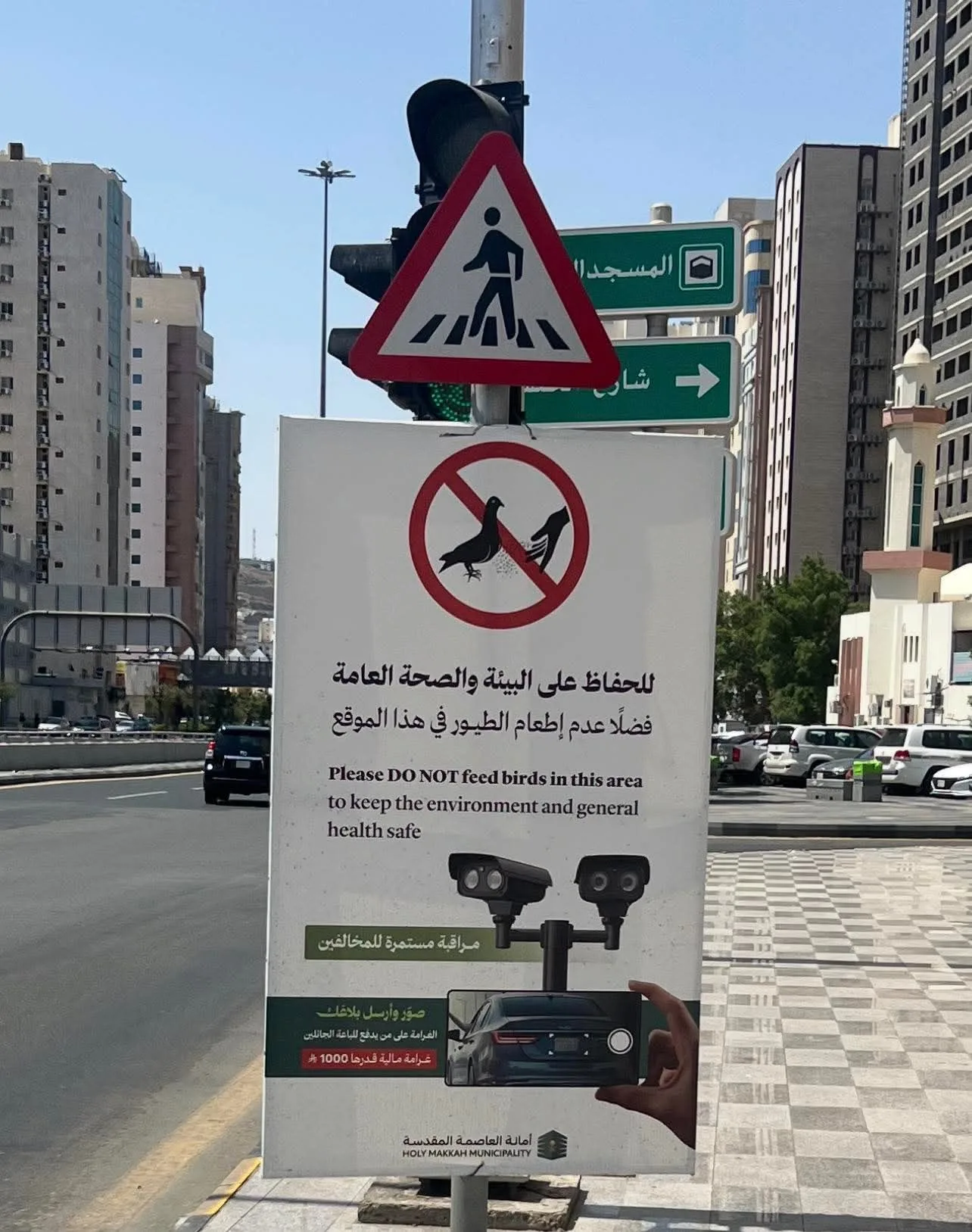
Officials cite concerns about disease transmission, property damage, and environmental pollution as primary reasons for the prohibition.
The initiative represents the latest in a series of measures to enhance urban quality and public health standards in the holy cities, which host millions of pilgrims annually.
Previous regulations have addressed street vending, waste management, and public behavior to preserve the sanctity and cleanliness of the religious sites.
Municipal officials emphasized that the ban particularly targets areas around the Grand Mosque and Prophet’s Mosque, where large pigeon populations have historically gathered due to public feeding.