Important events held within the framework of the imam-khatibs seminar
09.10.2025
108567
1 min.

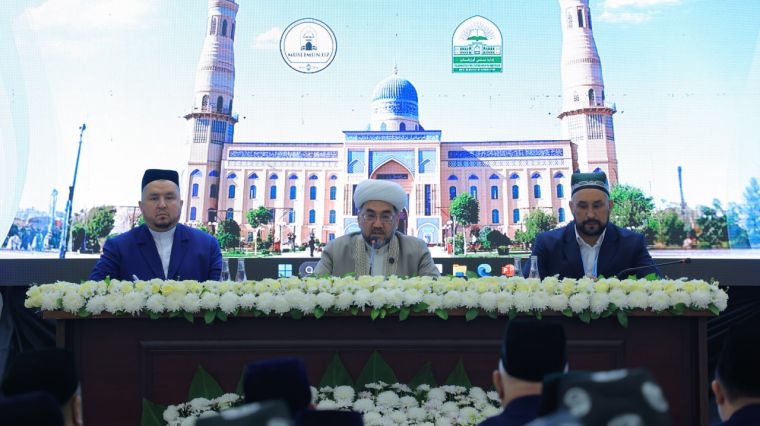
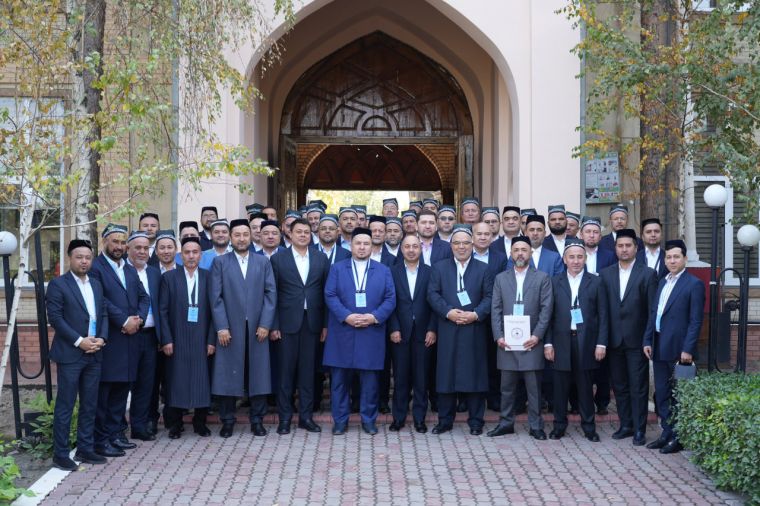
A series of key events took place as part of a scientific-practical seminar held in Andijan Region, aimed at enhancing the effectiveness of imam-khatibs’ activities.
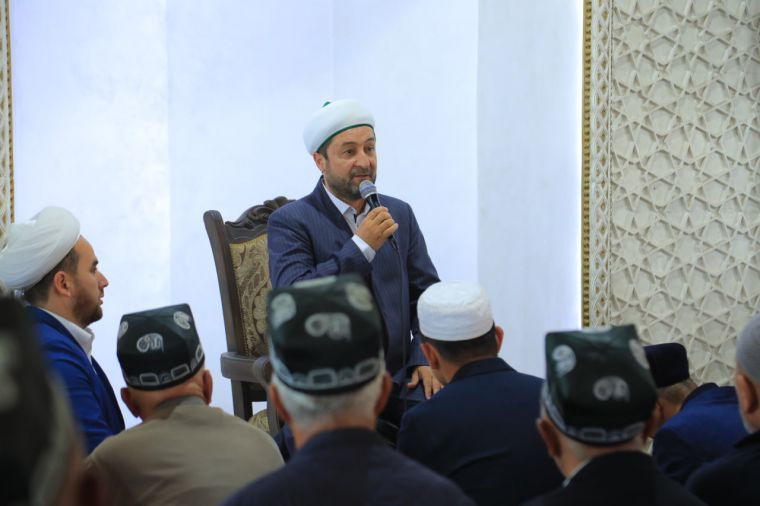
The Chairman of the Muslim Board of Uzbekistan, Mufti Sheikh Nuriddin Kholiqnazar, performed the Zuhr prayer at the “Hazrati Bilol” mosque and delivered an inspiring sermon to the worshippers.
The Mufti also visited the children residing at the “Muruvvat” Boarding School for Children with Disabilities in the Kurgantepa District to check on their well-being.
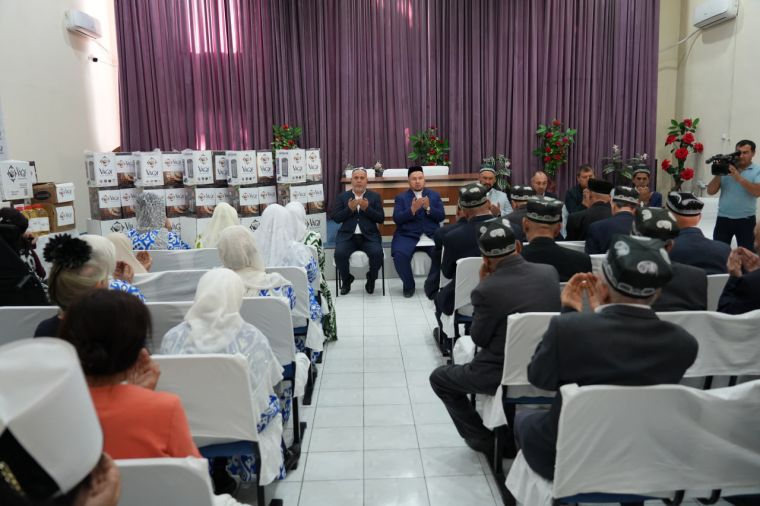
Deputy Muftis, officials of the Waqf Foundation, and regional chief imams visited the Social Protection Center in Andijan City, a residence for the elderly, lonely, and disabled. They donated household appliances, food products, and hygiene items.
During these scientific and practical events, participants established a close dialogue with the public.
Imams, female religious teachers, local community activists, and “Hajj-2025” pilgrims reached out to needy and problematic households in the local neighborhoods, successfully reconciling 80 families across seven different categories.
Translated by Sirotulloh Muhammadsoliyev




SHARE INFORMATION ON SOCIAL NETWORKS



 Iman
Iman  Prayer
  Fasting
  Zakat
Zakat  Haj
Haj  Qur`an
  Lessons of Islam
  Contact