(3) Hadith 3 of the book of revelation by Sahih al-Bukhari
حَدَّثَنَا يَحْيَى بْنُ بُكَيْرٍٍ، قَالَ: حَدَّثَنَا اللَّيْثٍُ، عَنْ عُقَيْلٍٍ، عَنِ ابْنِ شِهَابٍٍ، عَنْ عُرْوَةَ بْنِ الزُّبَيْرٍِ، عَنْ عَائِشَةٍَأُمِّ الْمُؤْمِنِينَ، أَنَّهَا، قَالَتْ: "أَوَّلُ مَا بُدِئَ بِهِ رَسُولُ اللَّهِ صَلَّى اللَّهُ عَلَيْهِ وَسَلَّمَ مِنَ الْوَحْيِ الرُّؤْيَا الصَّالِحَةُ فِي النَّوْمِ، فَكَانَ لَا يَرَى رُؤْيَا إِلَّا جَاءَتْ مِثْلَ فَلَقِ الصُّبْحِ، ثُمَّ حُبِّبَ إِلَيْهِ الْخَلَاءُ وَكَانَ يَخْلُو بِغَارِ حِرَاءٍ، فَيَتَحَنَّثُ فِيهِ وَهُوَ التَّعَبُّدُ اللَّيَالِيَ ذَوَاتِ الْعَدَدِ قَبْلَ أَنْ يَنْزِعَ إِلَى أَهْلِهِ وَيَتَزَوَّدُ لِذَلِكَ، ثُمَّ يَرْجِعُ إِلَى خَدِيجَةَ فَيَتَزَوَّدُ لِمِثْلِهَا حَتَّى جَاءَهُ الْحَقُّ وَهُوَ فِي غَارِ حِرَاءٍ، فَجَاءَهُ الْمَلَكُ، فَقَالَ: اقْرَأْ، قَالَ: مَا أَنَا بِقَارِئٍ، قَالَ: فَأَخَذَنِي فَغَطَّنِي حَتَّى بَلَغَ مِنِّي الْجَهْدَ، ثُمَّ أَرْسَلَنِي، فَقَالَ: اقْرَأْ، قُلْتُ: مَا أَنَا بِقَارِئٍ، فَأَخَذَنِي فَغَطَّنِي الثَّانِيَةَ حَتَّى بَلَغَ مِنِّي الْجَهْدَ، ثُمَّ أَرْسَلَنِي، فَقَالَ: اقْرَأْ، فَقُلْتُ مَا أَنَا بِقَارِئٍ، فَأَخَذَنِي فَغَطَّنِي الثَّالِثَةَ، ثُمَّ أَرْسَلَنِي فَقَالَ: "اقْرَأْ بِاسْمِ رَبِّكَ الَّذِي خَلَقَ 1 خَلَقَ الإِنْسَانَ مِنْ عَلَقٍ 2 اقْرَأْ وَرَبُّكَ الأَكْرَمُ 3 "سورة العلق آية 1-3، فَرَجَعَ بِهَا رَسُولُ اللَّهِ صَلَّى اللَّهُ عَلَيْهِ وَسَلَّمَ يَرْجُفُ فُؤَادُهُ، فَدَخَلَ عَلَى خَدِيجَةَ بِنْتِ خُوَيْلِدٍ رَضِيَ اللَّهُ عَنْهَا، فَقَالَ: زَمِّلُونِي زَمِّلُونِي، فَزَمَّلُوهُ حَتَّى ذَهَبَ عَنْهُ الرَّوْعُ، فَقَالَ لِخَدِيجَةَ، وَأَخْبَرَهَا الْخَبَرَ: لَقَدْ خَشِيتُ عَلَى نَفْسِي، فَقَالَتْ خَدِيجَةُ: كَلَّا وَاللَّهِ مَا يُخْزِيكَ اللَّهُ أَبَدًا، إِنَّكَ لَتَصِلُ الرَّحِمَ، وَتَحْمِلُ الْكَلَّ، وَتَكْسِبُ الْمَعْدُومَ، وَتَقْرِي الضَّيْفَ، وَتُعِينُ عَلَى نَوَائِبِ الْحَقِّ، فَانْطَلَقَتْ بِهِ خَدِيجَةُ حَتَّى أَتَتْ بِهِ وَرَقَةَ بْنَ نَوْفَلِ بْنِ أَسَدِ بْنِ عَبْدِ الْعُزَّى ابْنَ عَمِّ خَدِيجَةَ، وَكَانَ امْرَأً تَنَصَّرَ فِي الْجَاهِلِيَّةِ، وَكَانَ يَكْتُبُ الْكِتَابَ الْعِبْرَانِيَّ، فَيَكْتُبُ مِنَ الْإِنْجِيلِ بِالْعِبْرَانِيَّةِ مَا شَاءَ اللَّهُ أَنْ يَكْتُبَ، وَكَانَ شَيْخًا كَبِيرًا قَدْ عَمِيَ، فَقَالَتْ لَهُ خَدِيجَةُ: يَا ابْنَ عَمِّ، اسْمَعْ مِنَ ابْنِ أَخِيكَ، فَقَالَ لَهُ وَرَقَةُ: يَا ابْنَ أَخِي، مَاذَا تَرَى، فَأَخْبَرَهُ رَسُولُ اللَّهِ صَلَّى اللَّهُ عَلَيْهِ وَسَلَّمَ خَبَرَ مَا رَأَى، فَقَالَ لَهُ وَرَقَةُ: هَذَا النَّامُوسُ الَّذِي نَزَّلَ اللَّهُ عَلَى مُوسَى صَلَّى اللَّهُ عَلَيْهِ وَسَلَّمَ، يَا لَيْتَنِي فِيهَا جَذَعًا، لَيْتَنِي أَكُونُ حَيًّا إِذْ يُخْرِجُكَ قَوْمُكَ، فَقَالَ رَسُولُ اللَّهِ صَلَّى اللَّهُ عَلَيْهِ وَسَلَّمَ: أَوَمُخْرِجِيَّ هُمْ، قَالَ: نَعَمْ، لَمْ يَأْتِ رَجُلٌ قَطُّ بِمِثْلِ مَا جِئْتَ بِهِ إِلَّا عُودِيَ، وَإِنْ يُدْرِكْنِي يَوْمُكَ أَنْصُرْكَ نَصْرًا مُؤَزَّرًا، ثُمَّ لَمْ يَنْشَبْ وَرَقَةُ أَنْ تُوُفِّيَ وَفَتَرَ الْوَحْيُ".
Sahih hadith: Narrated 'Aisha: (the mother of the faithful believers) The commencement of the Divine Inspiration to Allah's Apostle was in the form of good dreams which came true like bright daylight, and then the love of seclusion was bestowed upon him. He used to go in seclusion in the cave of Hira where he used to worship (Allah alone) continuously for many days before his desire to see his family. He used to take with him the journey food for the stay and then come back to (his wife) Khadija to take his food likewise again till suddenly the Truth descended upon him while he was in the cave of Hira. The angel came to him and asked him to read. The Prophet replied, I do not know how to read. The Prophet added, The angel caught me (forcefully) and pressed me so hard that I could not bear it any more. He then released me and again asked me to read and I replied, 'I do not know how to read.' Thereupon he caught me again and pressed me a second time till I could not bear it any more. He then released me and again asked me to read but again I replied, 'I do not know how to read (or what shall I read)?' Thereupon he caught me for the third time and pressed me, and then released me and said, 'Read in the name of your Lord, who has created (all that exists), created man from a clot. Read! And your Lord is the Most Generous. (96.1, 96.2, 96.3) Then Allah's Apostle returned with the Inspiration and with his heart beating severely. Then he went to Khadija bint Khuwailid and said, Cover me! Cover me! They covered him till his fear was over and after that he told her everything that had happened and said, I fear that something may happen to me.
Khadija replied, Never! By Allah, Allah will never disgrace you. You keep good relations with your kith and kin, help the poor and the destitute, serve your guests generously and assist the deserving calamity-afflicted ones. Khadija then accompanied him to her cousin Waraqa bin Naufal bin Asad bin 'Abdul 'Uzza, who, during the pre-Islamic Period became a Christian and used to write the writing with Hebrew letters. He would write from the Gospel in Hebrew as much as Allah wished him to write. He was an old man and had lost his eyesight. Khadija said to Waraqa, Listen to the story of your nephew, O my cousin! Waraqa asked, O my nephew! What have you seen? Allah's Apostle described whatever he had seen. Waraqa said, This is the same one who keeps the secrets (angel Gabriel) whom Allah had sent to Moses. I wish I were young and could live up to the time when your people would turn you out. Allah's Apostle asked, Will they drive me out? Waraqa replied in the affirmative and said, Anyone (man) who came with something similar to what you have brought was treated with hostility; and if I should remain alive till the day when you will be turned out then I would support you strongly. But after a few days Waraqa died and the Divine Inspiration was also paused for a while.
Reference: Sahih al-Bukhari 1: Chapter 1, Hadith 3
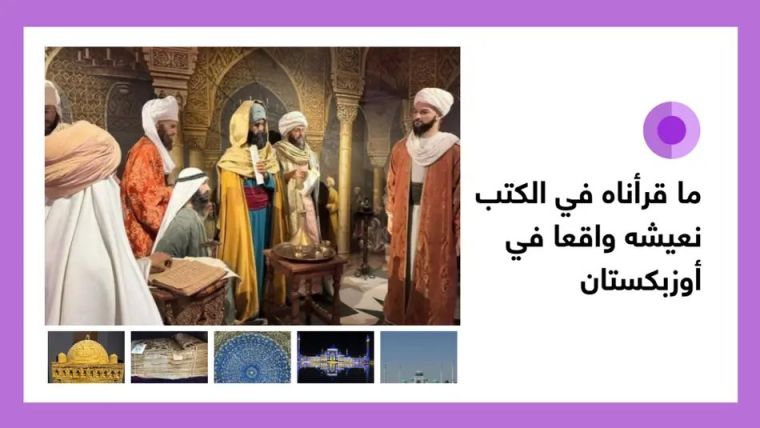
Reputable Saudi newspaper “Watan” has published a comprehensive article titled “What we read in books we live in Uzbekistan”, reports Dunyo IA.
Publication, intended for readers across the Arab world, highlights the place of Uzbekistan’s rich Islamic civilizational and cultural heritage in the history and contemporary development of Central Asia.
As the author notes, in an era of globalization and digital technologies, when it is becoming increasingly difficult to experience genuine wonder and appreciate true uniqueness, a journey to Uzbekistan offers an opportunity to rediscover knowledge once known only through historical sources - and to see it come to life.
“In Uzbekistan, you do not simply recall historical knowledge; you experience a unique journey through time between the past and the future. In the ancient cities of Tashkent, Samarkand, Bukhara and Khiva, names familiar from history books - Mawarannahr, Shash, the Fergana Valley, Jayhun, and Sayhun - take shape in magnificent architectural monuments and a living culture”, the author writes.
Publication also highlights the conference organized in Tashkent by the Islamic World Educational, Scientific and Cultural Organization (ICESCO) jointly with the Center of Islamic Civilization, which houses the Uthman Mushaf. It also speaks highly of the architectural beauty of the Imam Al-Bukhari and Imam Al-Maturidi complexes in Samarkand, the Registan and Shah-i-Zinda ensembles, as well as the mausoleums of Qutham ibn Abbas and Amir Temur.
The author particularly emphasizes the contribution to world science made by such eminent scholars as Imam Al-Bukhari, Muhammad Al-Khwarizmi, the founder of mathematics and astronomy, and Imam At-Tirmidhi. The article also highlights the historical significance of the cities of the Fergana Valley - Andijan, Namangan, Margilan and Kokand and their centuries-old cultural and scholarly ties with the Arabian Peninsula and the Islamic world.
In conclusion, the author notes that the sincere greeting extended by young people of Uzbekistan - students and volunteers to the guests in Arabic, “Welcome, guests of Imam Al-Bukhari!”, made a particularly profound impression on the Saudi delegation.