حَدَّثَنَا أَبُو الْيَمَانِ الْحَكَمُ بْنُ نَافِعٍ، قَالَ: أَخْبَرَنَا شُعَيْبٌ، عَنِ الزُّهْرِيِّ، قَالَ: أَخْبَرَنِي عُبَيْدُ اللَّهِ بْنُ عَبْدِ اللَّهِ بْنِ عُتْبَةَ بْنِ مَسْعُودٍ، أَنَّ عَبْدَ اللَّهِ بْنَ عَبَّاسٍ أَخْبَرَهُ، أَنَّ أَبَا سُفْيَانَ بْنَ حَرْبٍ أَخْبَرَهُ، "أَنَّ هِرَقْلَ أَرْسَلَ إِلَيْهِ فِي رَكْبٍ مِنْ قُرَيْشٍ، وَكَانُوا تِجَارًا بِالشَّأْمِ فِي الْمُدَّةِ الَّتِي كَانَ رَسُولُ اللَّهِ صَلَّى اللَّهُ عَلَيْهِ وَسَلَّمَ مَادَّ فِيهَا أَبَا سُفْيَانَ وَكُفَّارَ قُرَيْشٍ، فَأَتَوْهُ وَهُمْ بِإِيلِيَاءَ، فَدَعَاهُمْ فِي مَجْلِسِهِ وَحَوْلَهُ عُظَمَاءُ الرُّومِ، ثُمَّ دَعَاهُمْ وَدَعَا بِتَرْجُمَانِهِ، فَقَالَ: أَيُّكُمْ أَقْرَبُ نَسَبًا بِهَذَا الرَّجُلِ الَّذِي يَزْعُمُ أَنَّهُ نَبِيٌّ؟ فَقَالَ: أَبُو سُفْيَانَ، فَقُلْتُ: أَنَا أَقْرَبُهُمْ نَسَبًا، فَقَالَ: أَدْنُوهُ مِنِّي وَقَرِّبُوا أَصْحَابَهُ فَاجْعَلُوهُمْ عِنْدَ ظَهْرِهِ، ثُمَّ قَالَ لِتَرْجُمَانِهِ: قُلْ لَهُمْ إِنِّي سَائِلٌ هَذَا عَنْ هَذَا الرَّجُلِ، فَإِنْ كَذَبَنِي فَكَذِّبُوهُ، فَوَاللَّهِ لَوْلَا الْحَيَاءُ مِنْ أَنْ يَأْثِرُوا عَلَيَّ كَذِبًا لَكَذَبْتُ عَنْهُ، ثُمَّ كَانَ أَوَّلَ مَا سَأَلَنِي عَنْهُ، أَنْ قَالَ: كَيْفَ نَسَبُهُ فِيكُمْ؟ قُلْتُ: هُوَ فِينَا ذُو نَسَبٍ، قَالَ: فَهَلْ قَالَ هَذَا الْقَوْلَ مِنْكُمْ أَحَدٌ قَطُّ قَبْلَهُ؟ قُلْتُ: لَا، قَالَ: فَهَلْ كَانَ مِنْ آبَائِهِ مِنْ مَلِكٍ؟ قُلْتُ: لَا، قَالَ: فَأَشْرَافُ النَّاسِ يَتَّبِعُونَهُ أَمْ ضُعَفَاؤُهُمْ؟ فَقُلْتُ: بَلْ ضُعَفَاؤُهُمْ، قَالَ: أَيَزِيدُونَ أَمْ يَنْقُصُونَ؟ قُلْتُ: بَلْ يَزِيدُونَ، قَالَ: فَهَلْ يَرْتَدُّ أَحَدٌ مِنْهُمْ سَخْطَةً لِدِينِهِ بَعْدَ أَنْ يَدْخُلَ فِيهِ؟ قُلْتُ: لَا، قَالَ: فَهَلْ كُنْتُمْ تَتَّهِمُونَهُ بِالْكَذِبِ قَبْلَ أَنْ يَقُولَ مَا قَالَ؟ قُلْتُ: لَا، قَالَ: فَهَلْ يَغْدِرُ؟ قُلْتُ: لَا، وَنَحْنُ مِنْهُ فِي مُدَّةٍ لَا نَدْرِي مَا هُوَ فَاعِلٌ فِيهَا، قَالَ: وَلَمْ تُمْكِنِّي كَلِمَةٌ أُدْخِلُ فِيهَا شَيْئًا غَيْرُ هَذِهِ الْكَلِمَةِ، قَالَ: فَهَلْ قَاتَلْتُمُوهُ؟ قُلْتُ: نَعَمْ، قَالَ: فَكَيْفَ كَانَ قِتَالُكُمْ إِيَّاهُ؟ قُلْتُ: الْحَرْبُ بَيْنَنَا وَبَيْنَهُ سِجَالٌ يَنَالُ مِنَّا وَنَنَالُ مِنْهُ، قَالَ: مَاذَا يَأْمُرُكُمْ؟ قُلْتُ: يَقُولُ اعْبُدُوا اللَّهَ وَحْدَهُ وَلَا تُشْرِكُوا بِهِ شَيْئًا، وَاتْرُكُوا مَا يَقُولُ آبَاؤُكُمْ، وَيَأْمُرُنَا بِالصَّلَاةِ وَالصِّدْقِ وَالْعَفَافِ وَالصِّلَةِ، فَقَالَ لِلتَّرْجُمَانِ: قُلْ لَهُ سَأَلْتُكَ عَنْ نَسَبِهِ؟ فَذَكَرْتَ أَنَّهُ فِيكُمْ ذُو نَسَبٍ، فَكَذَلِكَ الرُّسُلُ تُبْعَثُ فِي نَسَبِ قَوْمِهَا، وَسَأَلْتُكَ، هَلْ قَالَ أَحَدٌ مِنْكُمْ هَذَا الْقَوْلَ؟ فَذَكَرْتَ أَنْ لَا، فَقُلْتُ: لَوْ كَانَ أَحَدٌ قَالَ هَذَا الْقَوْلَ قَبْلَهُ؟ لَقُلْتُ: رَجُلٌ يَأْتَسِي بِقَوْلٍ قِيلَ قَبْلَهُ، وَسَأَلْتُكَ، هَلْ كَانَ مِنْ آبَائِهِ مِنْ مَلِكٍ؟ فَذَكَرْتَ أَنْ لَا، قُلْتُ: فَلَوْ كَانَ مِنْ آبَائِهِ مِنْ مَلِكٍ؟ قُلْتُ: رَجُلٌ يَطْلُبُ مُلْكَ أَبِيهِ، وَسَأَلْتُكَ، هَلْ كُنْتُمْ تَتَّهِمُونَهُ بِالْكَذِبِ قَبْلَ أَنْ يَقُولَ مَا قَالَ؟ فَذَكَرْتَ أَنْ لَا، فَقَدْ أَعْرِفُ أَنَّهُ لَمْ يَكُنْ لِيَذَرَ الْكَذِبَ عَلَى النَّاسِ وَيَكْذِبَ عَلَى اللَّهِ، وَسَأَلْتُكَ، أَشْرَافُ النَّاسِ اتَّبَعُوهُ أَمْ ضُعَفَاؤُهُمْ؟ فَذَكَرْتَ أَنَّ ضُعَفَاءَهُمُ اتَّبَعُوهُ وَهُمْ أَتْبَاعُ الرُّسُلِ، وَسَأَلْتُكَ، أَيَزِيدُونَ أَمْ يَنْقُصُونَ؟ فَذَكَرْتَ أَنَّهُمْ يَزِيدُونَ، وَكَذَلِكَ أَمْرُ الْإِيمَانِ حَتَّى يَتِمَّ، وَسَأَلْتُكَ، أَيَرْتَدُّ أَحَدٌ سَخْطَةً لِدِينِهِ بَعْدَ أَنْ يَدْخُلَ فِيهِ؟ فَذَكَرْتَ أَنْ لَا، وَكَذَلِكَ الْإِيمَانُ حِينَ تُخَالِطُ بَشَاشَتُهُ الْقُلُوبَ، وَسَأَلْتُكَ، هَلْ يَغْدِرُ؟ فَذَكَرْتَ أَنْ لَا، وَكَذَلِكَ الرُّسُلُ لَا تَغْدِرُ، وَسَأَلْتُكَ، بِمَا يَأْمُرُكُمْ؟ فَذَكَرْتَ أَنَّهُ يَأْمُرُكُمْ أَنْ تَعْبُدُوا اللَّهَ وَلَا تُشْرِكُوا بِهِ شَيْئًا، وَيَنْهَاكُمْ عَنْ عِبَادَةِ الْأَوْثَانِ، وَيَأْمُرُكُمْ بِالصَّلَاةِ، وَالصِّدْقِ، وَالْعَفَافِ، فَإِنْ كَانَ مَا تَقُولُ حَقًّا فَسَيَمْلِكُ مَوْضِعَ قَدَمَيَّ هَاتَيْنِ، وَقَدْ كُنْتُ أَعْلَمُ أَنَّهُ خَارِجٌ لَمْ أَكُنْ أَظُنُّ أَنَّهُ مِنْكُمْ، فَلَوْ أَنِّي أَعْلَمُ أَنِّي أَخْلُصُ إِلَيْهِ لَتَجَشَّمْتُ لِقَاءَهُ، وَلَوْ كُنْتُ عِنْدَهُ لَغَسَلْتُ عَنْ قَدَمِهِ، ثُمَّ دَعَا بِكِتَابِ رَسُولِ اللَّهِ صَلَّى اللَّهُ عَلَيْهِ وَسَلَّمَ الَّذِي بَعَثَ بِه دِحْيَةُ إِلَى عَظِيمِ بُصْرَى فَدَفَعَهُ إِلَى هِرَقْلَ فَقَرَأَهُ، فَإِذَا فِيهِ، بِسْمِ اللَّهِ الرَّحْمَنِ الرَّحِيمِ، مِنْ مُحَمَّدٍ عَبْدِ اللَّهِ وَرَسُولِهِ إِلَى هِرَقْلَ عَظِيمِ الرُّومِ، سَلَامٌ عَلَى مَنِ اتَّبَعَ الْهُدَى، أَمَّا بَعْدُ، فَإِنِّي أَدْعُوكَ بِدِعَايَةِ الْإِسْلَامِ أَسْلِمْ تَسْلَمْ يُؤْتِكَ اللَّهُ أَجْرَكَ مَرَّتَيْنِ، فَإِنْ تَوَلَّيْتَ فَإِنَّ عَلَيْكَ إِثْمَ الْأَرِيسِيِّينَ، وَيَا أَهْلَ الْكِتَابِ تَعَالَوْا إِلَى كَلِمَةٍ سَوَاءٍ بَيْنَنَا وَبَيْنَكُمْ، أَنْ لَا نَعْبُدَ إِلَّا اللَّهَ وَلَا نُشْرِكَ بِهِ شَيْئًا، وَلَا يَتَّخِذَ بَعْضُنَا بَعْضًا أَرْبَابًا مِنْ دُونِ اللَّهِ، فَإِنْ تَوَلَّوْا فَقُولُوا: اشْهَدُوا بِأَنَّا مُسْلِمُونَ، قَالَ أَبُو سُفْيَانَ: فَلَمَّا قَالَ مَا قَالَ وَفَرَغَ مِنْ قِرَاءَةِ الْكِتَابِ، كَثُرَ عِنْدَهُ الصَّخَبُ وَارْتَفَعَتِ الْأَصْوَاتُ وَأُخْرِجْنَا، فَقُلْتُ لِأَصْحَابِي حِينَ أُخْرِجْنَا: لَقَدْ أَمِرَ أَمْرُ ابْنِ أَبِي كَبْشَةَ إِنَّهُ يَخَافُهُ مَلِكُ بَنِي الْأَصْفَرِ، فَمَا زِلْتُ مُوقِنًا أَنَّهُ سَيَظْهَرُ حَتَّى أَدْخَلَ اللَّهُ عَلَيَّ الْإِسْلَامَ، وَكَانَ ابْنُ النَّاظُورِ صَاحِبُ إِيلِيَاءَ وَهِرَقْلَ سُقُفًّا عَلَى نَصَارَى الشَّأْمِ، يُحَدِّثُ أَنَّ هِرَقْلَ حِينَ قَدِمَ إِيلِيَاءَ أَصْبَحَ يَوْمًا خَبِيثَ النَّفْسِ، فَقَالَ بَعْضُ بَطَارِقَتِهِ: قَدِ اسْتَنْكَرْنَا هَيْئَتَكَ، قَالَ ابْنُ النَّاظُورِ: وَكَانَ هِرَقْلُ حَزَّاءً يَنْظُرُ فِي النُّجُومِ، فَقَالَ لَهُمْ حِينَ سَأَلُوهُ: إِنِّي رَأَيْتُ اللَّيْلَةَ حِينَ نَظَرْتُ فِي النُّجُومِ مَلِكَ الْخِتَانِ قَدْ ظَهَرَ، فَمَنْ يَخْتَتِنُ مِنْ هَذِهِ الْأُمَّةِ؟ قَالُوا: لَيْسَ يَخْتَتِنُ إِلَّا الْيَهُودُ، فَلَا يُهِمَّنَّكَ شَأْنُهُمْ وَاكْتُبْ إِلَى مَدَايِنِ مُلْكِكَ، فَيَقْتُلُوا: مَنْ فِيهِمْ مِنْ الْيَهُودِ؟ فَبَيْنَمَا هُمْ عَلَى أَمْرِهِمْ، أُتِيَ هِرَقْلُ بِرَجُلٍ أَرْسَلَ بِهِ مَلِكُ غَسَّانَ يُخْبِرُ عَنْ خَبَرِ رَسُولِ اللَّهِ صَلَّى اللَّهُ عَلَيْهِ وَسَلَّمَ، فَلَمَّا اسْتَخْبَرَهُ هِرَقْلُ، قَالَ: اذْهَبُوا فَانْظُرُوا أَمُخْتَتِنٌ هُوَ أَمْ لَا؟ فَنَظَرُوا إِلَيْهِ فَحَدَّثُوهُ أَنَّهُ مُخْتَتِنٌ، وَسَأَلَهُ عَنْ الْعَرَبِ؟ فَقَالَ: هُمْ يَخْتَتِنُونَ، فَقَالَ هِرَقْلُ: هَذَا مَلِكُ هَذِهِ الْأُمَّةِ قَدْ ظَهَرَ، ثُمَّ كَتَبَ هِرَقْلُ إِلَى صَاحِبٍ لَهُ بِرُومِيَةَ وَكَانَ نَظِيرَهُ فِي الْعِلْمِ، وَسَارَ هِرَقْلُ إِلَى حِمْصَ، فَلَمْ يَرِمْ حِمْصَ حَتَّى أَتَاهُ كِتَابٌ مِنْ صَاحِبِهِ يُوَافِقُ رَأْيَ هِرَقْلَ عَلَى خُرُوجِ النَّبِيِّ صَلَّى اللَّهُ عَلَيْهِ وَسَلَّمَ وَأَنَّهُ نَبِيٌّ، فَأَذِنَ هِرَقْلُ لِعُظَمَاءِ الرُّومِ فِي دَسْكَرَةٍ لَهُ بِحِمْصَ، ثُمَّ أَمَرَ بِأَبْوَابِهَا فَغُلِّقَتْ، ثُمَّ اطَّلَعَ، فَقَالَ: يَا مَعْشَرَ الرُّومِ، هَلْ لَكُمْ فِي الْفَلَاحِ وَالرُّشْدِ، وَأَنْ يَثْبُتَ مُلْكُكُمْ فَتُبَايِعُوا هَذَا النَّبِيَّ؟ فَحَاصُوا حَيْصَةَ حُمُرِ الْوَحْشِ إِلَى الْأَبْوَابِ فَوَجَدُوهَا قَدْ غُلِّقَتْ، فَلَمَّا رَأَى هِرَقْلُ نَفْرَتَهُمْ وَأَيِسَ مِنَ الْإِيمَانِ، قَالَ: رُدُّوهُمْ عَلَيَّ، وَقَالَ: إِنِّي قُلْتُ مَقَالَتِي آنِفًا أَخْتَبِرُ بِهَا شِدَّتَكُمْ عَلَى دِينِكُمْ، فَقَدْ رَأَيْتُ، فَسَجَدُوا لَهُ وَرَضُوا عَنْهُ فَكَانَ ذَلِكَ آخِرَ شَأْنِ هِرَقْلَ"، رَوَاهُ صَالِحُ بْنُ كَيْسَانَ، وَيُونُسُ، وَمَعْمَرٌ، عَن الزُّهْرِيِّ.
Sahih hadith: Narrated 'Abdullah bin 'Abbas: Abu Sufyan bin Harb informed me that Heraclius had sent a messenger to him while he had been accompanying a caravan from Quraish. They were merchants doing business in Sham (Syria, Palestine, Lebanon and Jordan), at the time when Allah's Apostle had truce with Abu Sufyan and Quraish infidels. So Abu Sufyan and his companions went to Heraclius at Ilya (Jerusalem). Heraclius called them in the court and he had all the senior Roman dignitaries around him. He called for his translator who, translating Heraclius's question said to them, Who amongst you is closely related to that man who claims to be a Prophet? Abu Sufyan replied, I am the nearest relative to him (amongst the group). Heraclius said, Bring him (Abu Sufyan) close to me and make his companions stand behind him. Abu Sufyan added, Heraclius told his translator to tell my companions that he wanted to put some questions to me regarding that man (The Prophet) and that if I told a lie they (my companions) should contradict me. Abu Sufyan added, By Allah! Had I not been afraid of my companions labeling me a liar, I would not have spoken the truth about the Prophet. The first question he asked me about him was: 'What is his family status amongst you?' I replied, 'He belongs to a good (noble) family amongst us.' Heraclius further asked, 'Has anybody amongst you ever claimed the same (i.e. to be a Prophet) before him?' I replied, 'No.' He said, 'Was anybody amongst his ancestors a king?' I replied, 'No.' Heraclius asked, 'Do the nobles or the poor follow him?' I replied, 'It is the poor who follow him.' He said, 'Are his followers increasing decreasing (day by day)?' I replied, 'They are increasing.' He then asked, 'Does anybody amongst those who embrace his religion become displeased and renounce the religion afterwards?' I replied, 'No.' Heraclius said, 'Have you ever accused him of telling lies before his claim (to be a Prophet)?' I replied, 'No. ' Heraclius said, 'Does he break his promises?' I replied, 'No. We are at truce with him but we do not know what he will do in it.' I could not find opportunity to say anything against him except that. Heraclius asked, 'Have you ever had a war with him?' I replied, 'Yes.' Then he said, 'What was the outcome of the battles?' I replied, 'Sometimes he was victorious and sometimes we.' Heraclius said, 'What does he order you to do?' I said, 'He tells us to worship Allah and Allah alone and not to worship anything along with Him, and to renounce all that our ancestors had said. He orders us to pray, to speak the truth, to be chaste and to keep good relations with our Kith and kin.' Heraclius asked the translator to convey to me the following, I asked you about his family and your reply was that he belonged to a very noble family. In fact all the Apostles come from noble families amongst their respective peoples. I questioned you whether anybody else amongst you claimed such a thing, your reply was in the negative. If the answer had been in the affirmative, I would have thought that this man was following the previous man's statement. Then I asked you whether anyone of his ancestors was a king. Your reply was in the negative, and if it had been in the affirmative, I would have thought that this man wanted to take back his ancestral kingdom. I further asked whether he was ever accused of telling lies before he said what he said, and your reply was in the negative. So I wondered how a person who does not tell a lie about others could ever tell a lie about Allah. I, then asked you whether the rich people followed him or the poor. You replied that it was the poor who followed him. And in fact all the Apostle have been followed by this very class of people. Then I asked you whether his followers were increasing or decreasing. You replied that they were increasing, and in fact this is the way of true faith, till it is complete in all respects. I further asked you whether there was anybody, who, after embracing his religion, became displeased and discarded his religion. Your reply was in the negative, and in fact this is (the sign of) true faith, when its delight enters the hearts and mixes with them completely. I asked you whether he had ever betrayed. You replied in the negative and likewise the Apostles never betray. Then I asked you what he ordered you to do. You replied that he ordered you to worship Allah and Allah alone and not to worship any thing along with Him and forbade you to worship idols and ordered you to pray, to speak the truth and to be chaste. If what you have said is true, he will very soon occupy this place underneath my feet and I knew it (from the scriptures) that he was going to appear but I did not know that he would be from you, and if I could reach him definitely, I would go immediately to meet him and if I were with him, I would certainly wash his feet.' Heraclius then asked for the letter addressed by Allah's Apostle which was delivered by Dihya to the Governor of Busra, who forwarded it to Heraclius to read. The contents of the letter were as follows: In the name of Allah the Beneficent, the Merciful (This letter is) from Muhammad the slave of Allah and His Apostle to Heraclius the ruler of Byzantine. Peace be upon him, who follows the right path. Furthermore I invite you to Islam, and if you become a Muslim you will be safe, and Allah will double your reward, and if you reject this invitation of Islam you will be committing a sin by misguiding your Arisiyin (peasants). (And I recite to you Allah's Statement:) 'O people of the scripture! Come to a word common to you and us that we worship none but Allah and that we associate nothing in worship with Him, and that none of us shall take others as Lords beside Allah. Then, if they turn away, say: Bear witness that we are Muslims (those who have surrendered to Allah).' (3:64). Abu Sufyan then added, When Heraclius had finished his speech and had read the letter, there was a great hue and cry in the Royal Court. So we were turned out of the court. I told my companions that the question of Ibn-Abi-Kabsha) (the Prophet Muhammad) has become so prominent that even the King of Bani Al-Asfar (Byzantine) is afraid of him. Then I started to become sure that he (the Prophet) would be the conqueror in the near future till I embraced Islam (i.e. Allah guided me to it). The sub narrator adds, Ibn An-Natur was the Governor of llya' (Jerusalem) and Heraclius was the head of the Christians of Sham. Ibn An-Natur narrates that once while Heraclius was visiting ilya' (Jerusalem), he got up in the morning with a sad mood. Some of his priests asked him why he was in that mood? Heraclius was a foreteller and an astrologer. He replied, 'At night when I looked at the stars, I saw that the leader of those who practice circumcision had appeared (become the conqueror). Who are they who practice circumcision?' The people replied, 'Except the Jews nobody practices circumcision, so you should not be afraid of them (Jews). 'Just Issue orders to kill every Jew present in the country.' While they were discussing it, a messenger sent by the king of Ghassan to convey the news of Allah's Apostle to Heraclius was brought in. Having heard the news, he (Heraclius) ordered the people to go and see whether the messenger of Ghassan was circumcised. The people, after seeing him, told Heraclius that he was circumcised. Heraclius then asked him about the Arabs. The messenger replied, 'Arabs also practice circumcision.' (After hearing that) Heraclius remarked that sovereignty of the 'Arabs had appeared. Heraclius then wrote a letter to his friend in Rome who was as good as Heraclius in knowledge. Heraclius then left for Homs. (a town in Syrian and stayed there till he received the reply of his letter from his friend who agreed with him in his opinion about the emergence of the Prophet and the fact that he was a Prophet. On that Heraclius invited all the heads of the Byzantines to assemble in his palace at Homs. When they assembled, he ordered that all the doors of his palace be closed. Then he came out and said, 'O Byzantines! If success is your desire and if you seek right guidance and want your empire to remain then give a pledge of allegiance to this Prophet (i.e. embrace Islam).' (On hearing the views of Heraclius) the people ran towards the gates of the palace like onagers but found the doors closed. Heraclius realized their hatred towards Islam and when he lost the hope of their embracing Islam, he ordered that they should be brought back in audience. (When they returned) he said, 'What already said was just to test the strength of your conviction and I have seen it.' The people prostrated before him and became pleased with him, and this was the end of Heraclius's story (in connection with his faith).
Reference: Sahih al-Bukhari 1: Chapter 1, Hadith 7.
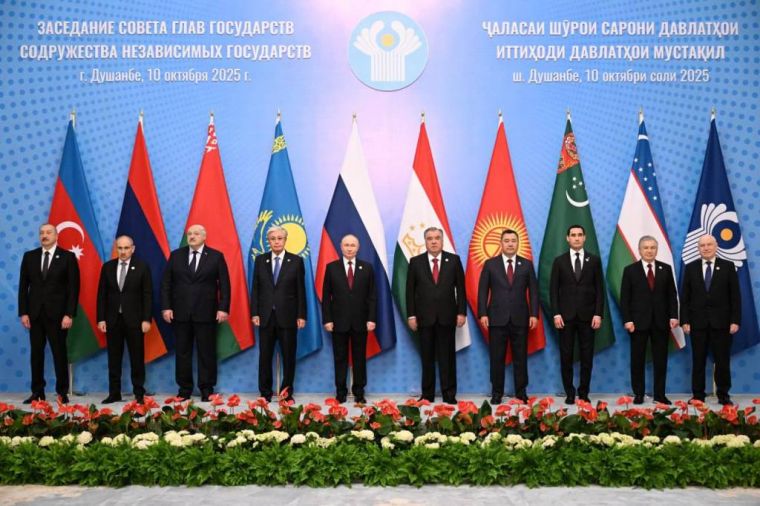
The summit, chaired by the President of the Republic of Tajikistan Emomali Rahmon, was attended by the President of the Republic of Azerbaijan Ilham Aliyev, the President of the Republic of Belarus Alexander Lukashenko, the President of the Republic of Kazakhstan Kassym-Jomart Tokayev, the President of the Kyrgyz Republic Sadyr Japarov, the President of the Russian Federation Vladimir Putin, the President of Turkmenistan Serdar Berdimuhamedov, the Prime Minister of Armenia Nikol Pashinyan, and CIS Secretary-General Sergey Lebedev.
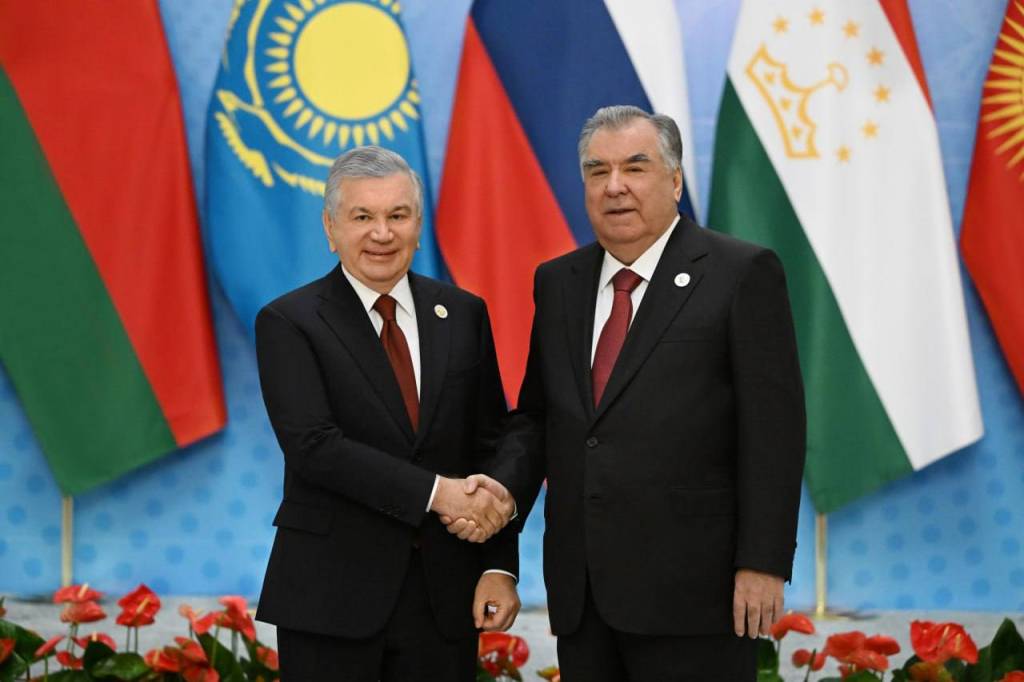
The agenda focused on pressing issues related to strengthening and expanding practical cooperation within the Commonwealth.
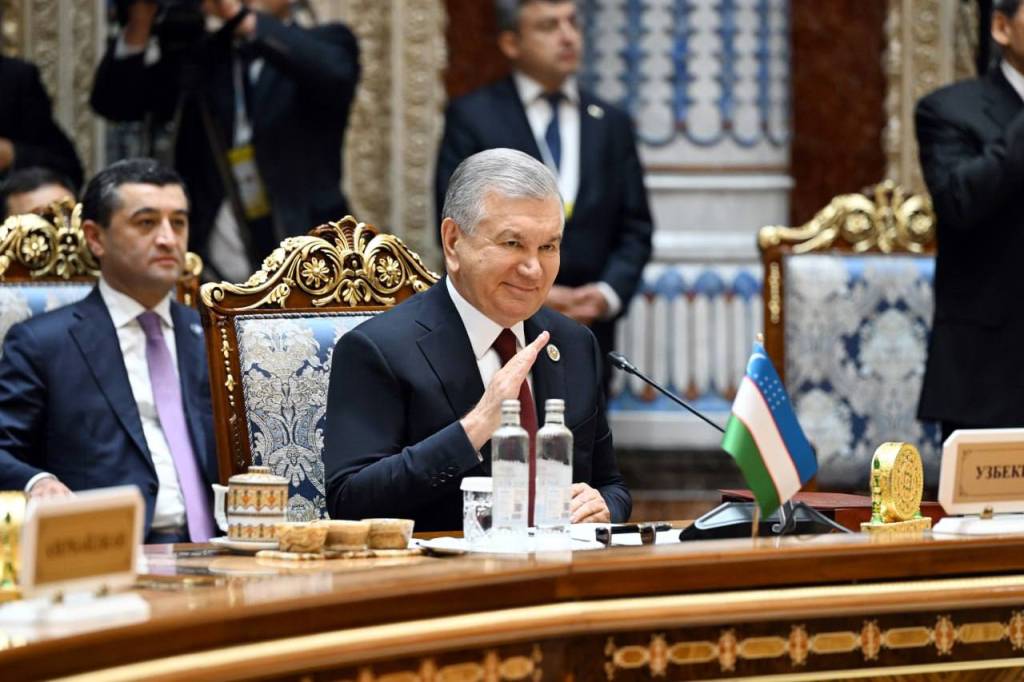
At the beginning of his address, the President of Uzbekistan noted that despite the unpredictable developments in global politics and the economy, as well as the declining role of international institutions, the CIS continues to demonstrate resilience, efficiency, and relevance.
Thanks to mechanisms and partnerships established over decades, the Commonwealth maintains close cooperation across a wide range of economic, social, and humanitarian areas.
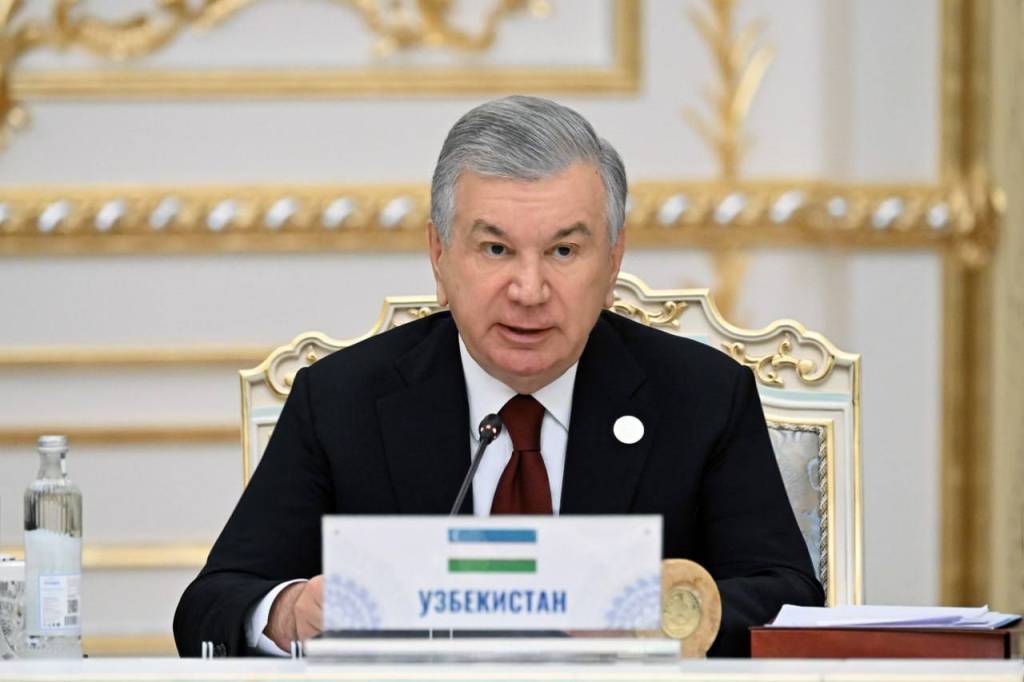
“We are interested in further strengthening cooperation within the CIS and enhancing the effectiveness of practical interaction with countries that are our natural partners”, the President of Uzbekistan said.
The Head of State then put forward several proposals and initiatives aimed at expanding practical cooperation within the Commonwealth of Independent States.
The unconditional priority of the Organization was defined as the expansion of economic partnership, given the deteriorating situation in the global economy, the rise of protectionism, and emerging challenges to sustainable development.
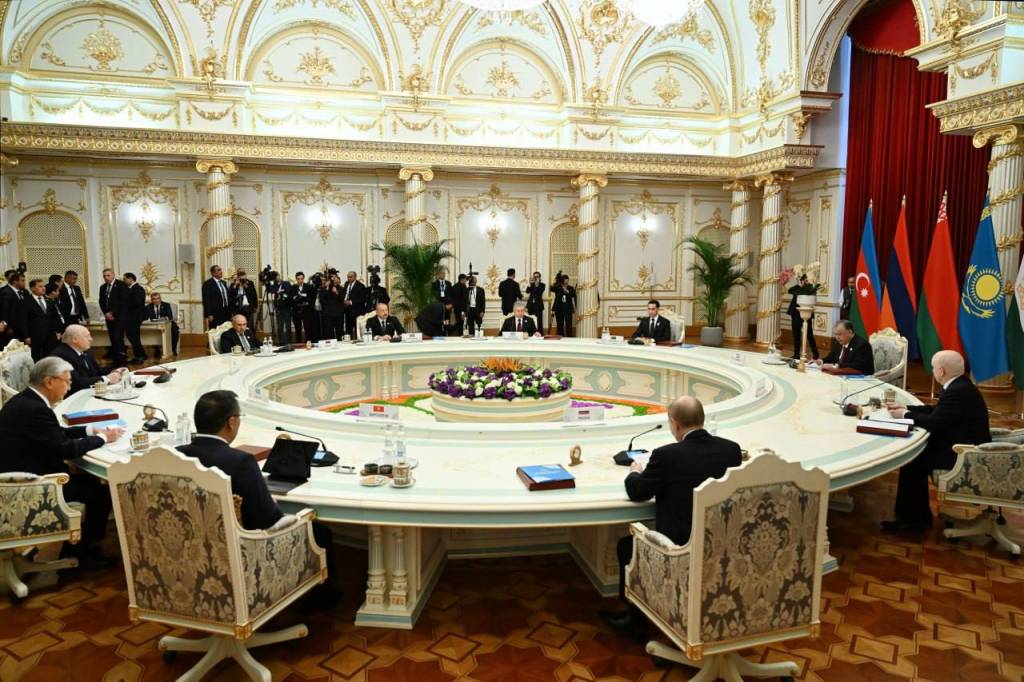
It was noted with satisfaction that Uzbekistan’s trade turnover with CIS partners increased by 11 percent last year and continues to grow this year. Such results are attributed to the deepening of intersectoral cooperation and the growth of mutual investment flows.
To make fuller use of existing resources and maintain the achieved pace and dynamics of cooperation, the President of Uzbekistan proposed focusing joint efforts on the following priority areas.
First, the further creation of favorable conditions for expanding trade turnover.
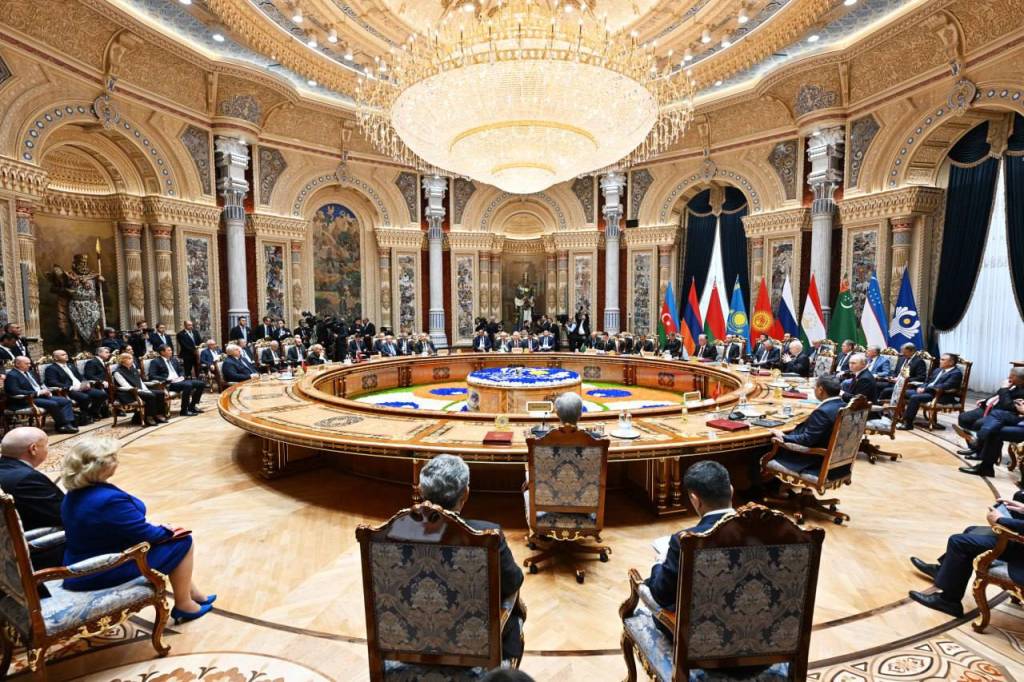
The need to simplify procedures and requirements for the supply of certain goods, particularly agricultural products, and for access to national markets, including public procurement, was emphasized.
Attention was also drawn to the importance of launching rapid-response mechanisms within the CIS Economic Council to adapt to changes in external market conditions and redirect trade flows. The President underscored the need to accelerate the coordination of draft agreements on technical barriers to trade and mutual recognition of conformity assessment documents.
Second, the deepening of cooperation in the field of transport was identified as a key priority.
It was noted that bottlenecks persist in the CIS transport network, reducing the efficiency of existing corridors. In this regard, the establishment of information and logistics centers integrated across all modes of transport was deemed essential.
Considering the importance of attracting private investment for the modernization of freight transport infrastructure, the President proposed to hold a conference in Uzbekistan on expanding public–private partnership in the transport sector.
Third, stimulating mutual investment growth and supporting cooperation projects.
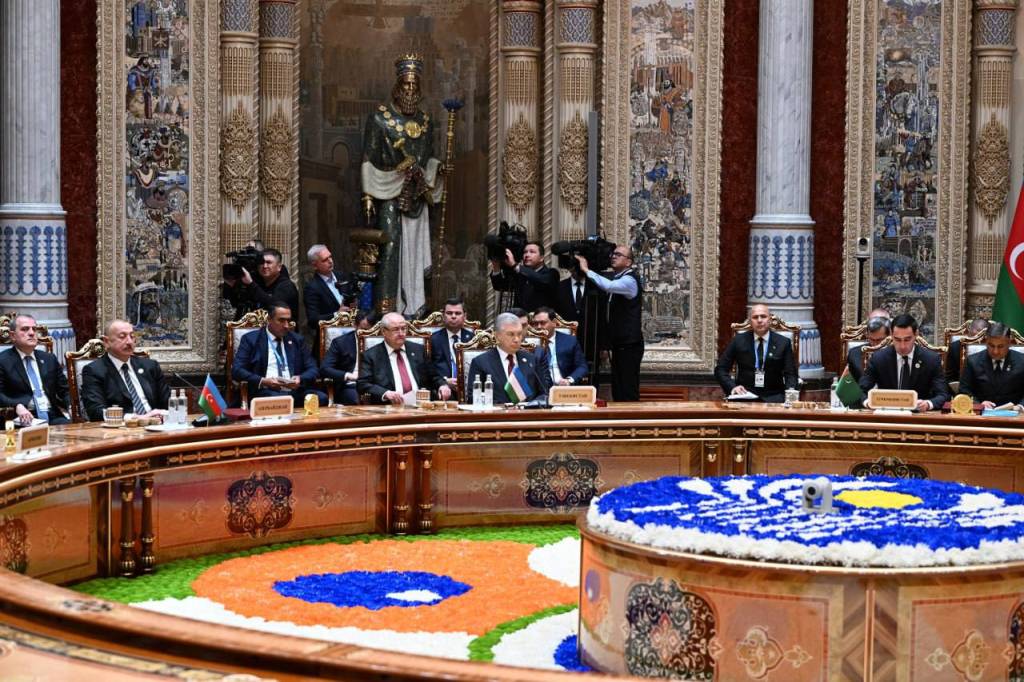
In this regard, it was proposed to develop a roadmap for supporting the development of special economic and industrial zones, as well as establishing a CIS Venture Platform to deepen cooperation and promote innovative startups with private sector participation. It was also suggested to hold an Innovation Industry Forum in Tashkent next year as part of the INNOPROM exhibition.
Fourth, enhancing energy cooperation.
The President of Uzbekistan noted that several major strategic projects are currently being implemented jointly with CIS partners in the field of traditional and alternative energy, including the construction of a nuclear power plant.
He called for the development and implementation of a long-term Program for the Innovative Development of the Energy Sector across CIS countries.
Fifth, cooperation in the field of digitalization.
The President of Uzbekistan noted that the International Forum “Development of Artificial Intelligence Technologies in the CIS”, held in Samarkand this August, demonstrated the growing mutual interest and potential for cooperation among member states. In this regard, he proposed developing a multilateral Action Plan to deepen practical cooperation in this field.
The Head of State also emphasized the importance of expanding joint projects and programs in the fields of science, education, culture, and the arts.
“Considering the dynamic development of the education sector and labor markets in our countries, we propose drafting a new Interstate Agreement on the Mutual Recognition of Diplomas, Qualifications, and Academic Programs, as well as introducing a Mechanism for the Harmonization of Professional Standards and Qualification Requirements”, the President said.
Uzbekistan also expressed its readiness to host the CIS Youth Forum in Khiva next year, with the agenda to include the establishment of a Youth Innovation Lab aimed at fostering an innovative ecosystem and supporting the creative and intellectual potential of the younger generation.
Addressing issues of regional security, the President of Uzbekistan emphasized the importance of maintaining systematic and close contacts between the foreign ministries and special services. The situation in Afghanistan requires particular attention.
“Uzbekistan remains firmly committed to ensuring long-term peace, stability, and sustainable development in Afghanistan. In this regard, we propose exploring opportunities for joint participation in major investment and infrastructure projects in this country”, the President stated.
In conclusion, Shavkat Mirziyoyev expressed his support for the reappointment of Sergey Lebedev as Secretary-General of the CIS and extended best wishes to the President of Turkmenistan Serdar Berdimuhamedov on assuming the chairmanship of the Organization.
During the meeting, heads of delegations from other CIS member states also delivered their remarks.
The summit concluded with the signing of a package of agreements and decisions aimed at strengthening cooperation across the priority areas within the Commonwealth of Independent States.
UzA