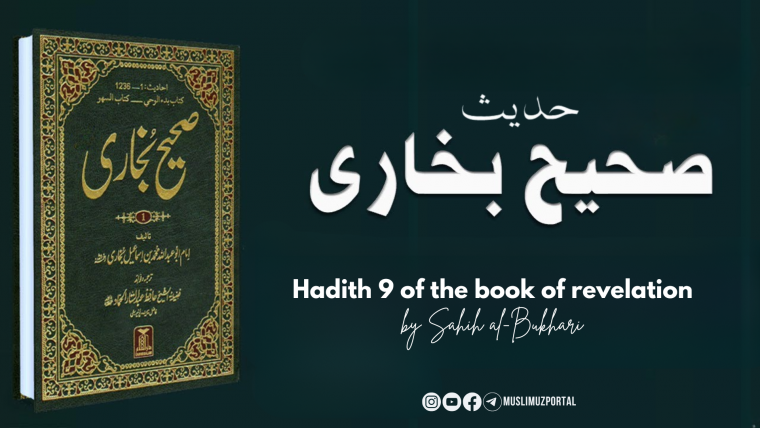
(9) (What is said) regarding the deeds of faith
حَدَّثَنَا عَبْدُ اللَّهِ بْنُ مُحَمَّدٍ، قَالَ: حَدَّثَنَا أَبُو عَامِرٍ الْعَقَدِيُّ، قَالَ: حَدَّثَنَا سُلَيْمَانُ بْنُ بِلَالٍ، عَنْ عَبْدِ اللَّهِ بْنِ دِينَارٍ، عَنْ أَبِي صَالِحٍ، عَنْ أَبِي هُرَيْرَةَ رَضِيَ اللَّهُ عَنْه، عَنِ النَّبِيِّ صَلَّى اللَّهُ عَلَيْهِ وَسَلَّمَ، قَالَ: "الْإِيمَانُ بِضْعٌ وَسِتُّونَ شُعْبَةً، وَالْحَيَاءُ شُعْبَةٌ مِنَ الْإِيمَانِ".
Sahih hadith: Narrated Abu Huraira: The Prophet said, Faith (Belief) consists of more than sixty branches (i.e. parts). And Haya (This term Haya covers a large number of concepts which are to be taken together; amongst them are self respect, modesty, bashfulness, and scruple, etc.) is a part of faith.
Reference: Sahih al-Bukhari 1: Chapter 2, Hadith 9.
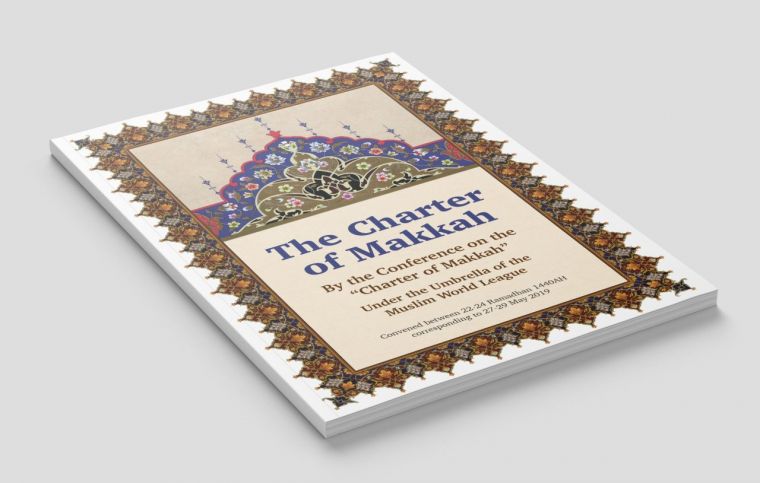
The Charter Of Makkah, endorsed by the muftis and scholars of the Islamic Ummah from various schools of thought and sects, as well as by the member states of the OIC, is considered the second charter of its kind in Islamic history after the Charter of Medina, signed by our Prophet Muhammad (peace and blessings be upon him).
As a pivotal charter in a pressing contemporary context, it reflects the high aspirations of Islamic scholarship in confronting numerous challenges and shortcomings, and in addressing narrow-mindedness, backwardness, and extremism that have emerged in various contexts.
The Charter also embodies the compassion and mercy of Islam for the world. It supports the causes of coexistence and positive integration, and affirms the harmonious reconciliation—within the true message of Islam—of religious and national identities, particularly in diverse societies and in countries with Muslim minorities.