Saudi Arabia Prohibits Tobacco Sales Near Holy Sites, Mosques and Schools
13.10.2025
43398
1 min.
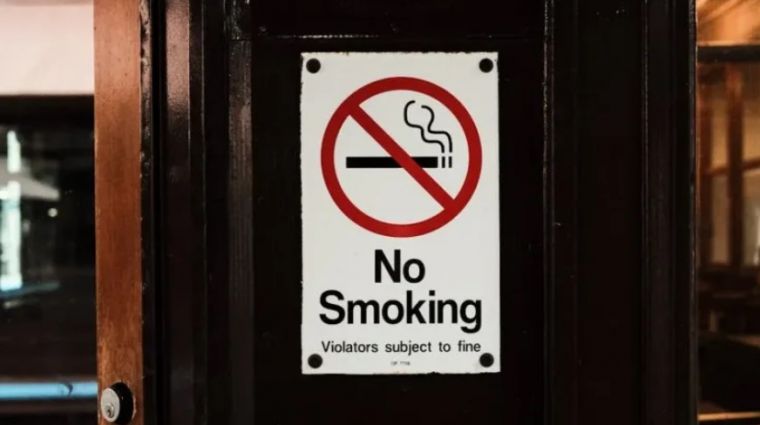
Saudi Arabia has implemented a ban on tobacco shops operating within 500 meters of mosques and schools, according to new guidelines from the Ministry of Municipalities and Housing.
The measures aim to safeguard public health, ensure legal compliance, and maintain orderly business environments in urban areas.
The regulations affect all stores selling tobacco products, including cigarettes, shisha, and e-cigarettes. Shop owners must possess valid commercial registration, Civil Defense approval, and full compliance with municipal licensing laws.
Stores must occupy at least 36 square meters within commercial buildings, with additional local municipality conditions possible.
Exterior signage cannot display logos or promotional materials - only the store name. Operations require security cameras indoors and outdoors, adherence to hygiene standards, electronic payment options, and prohibited sidewalk use.
All tobacco products must meet Saudi Food and Drug Authority standards, feature clear warning labels, and be sold in sealed packages. Vending machines, price reductions, gifts, and product testing are forbidden.
SHARE INFORMATION ON SOCIAL NETWORKS



 Iman
Iman  Prayer
  Fasting
  Zakat
Zakat  Haj
Haj  Qur`an
  Lessons of Islam
  Contact