Bukhara hosts an international scientific conference
08.10.2025
46485
2 min.
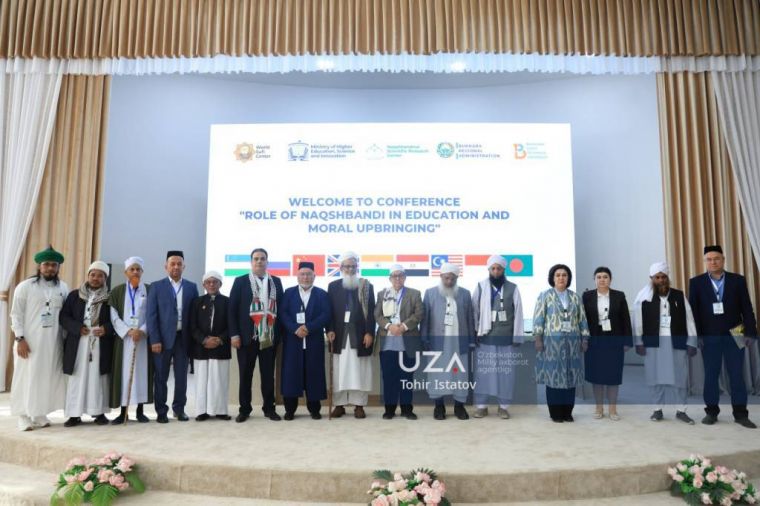
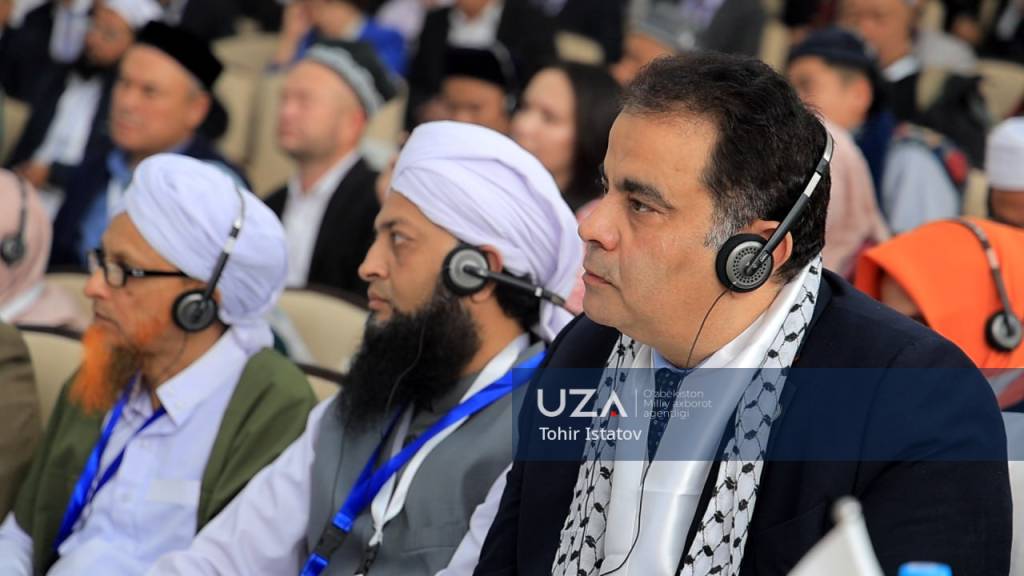
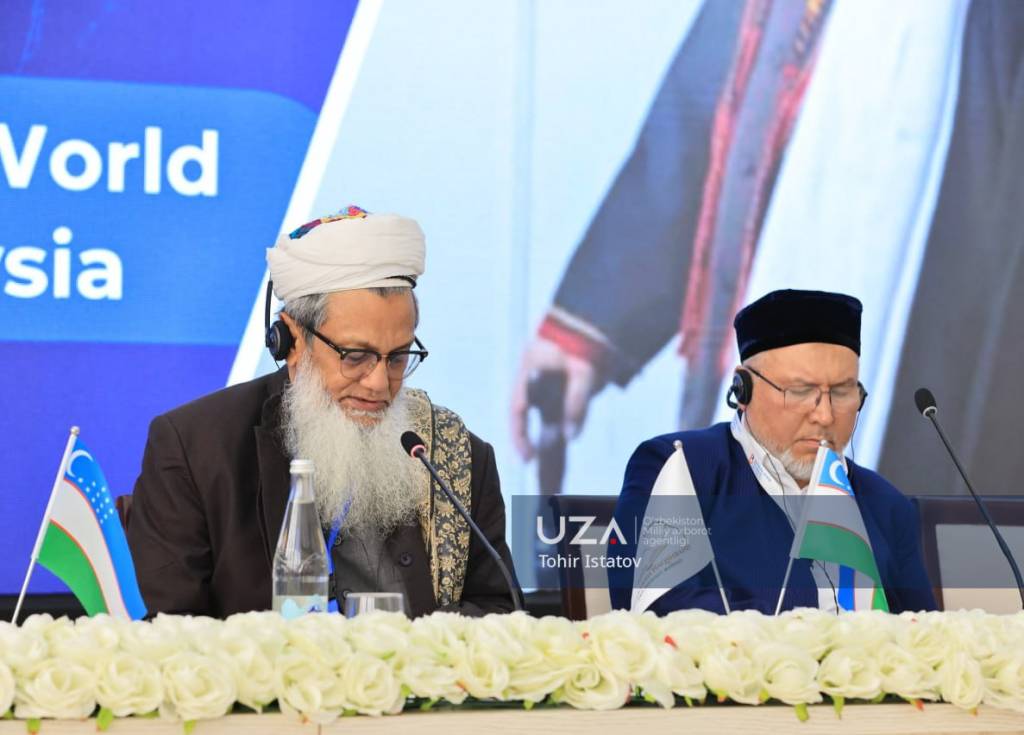
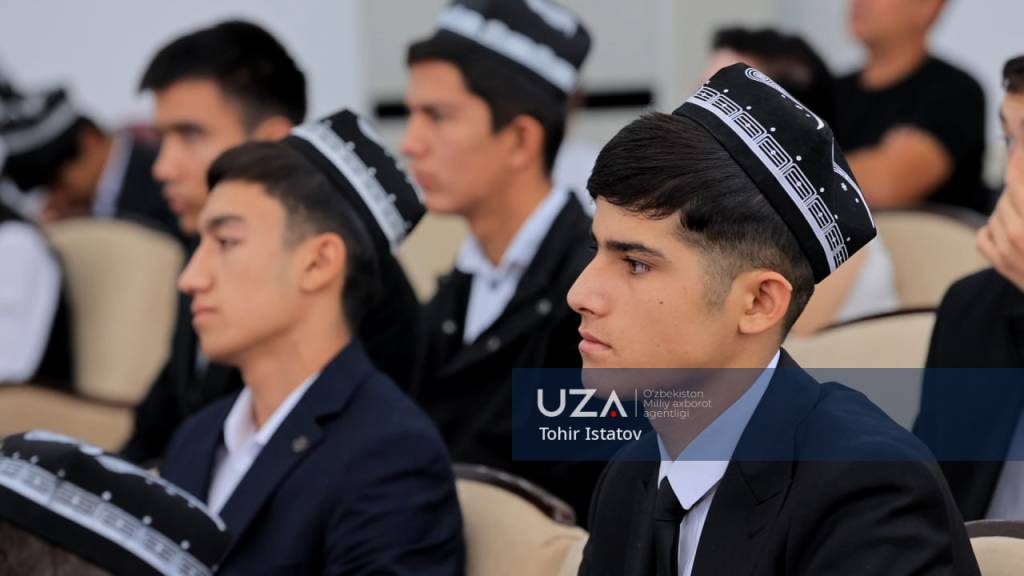
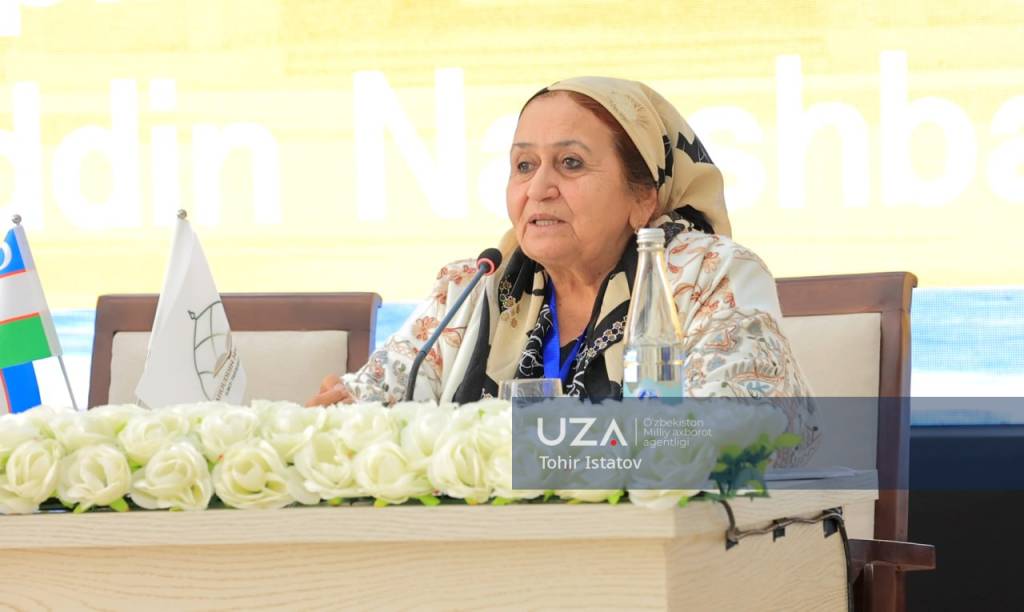
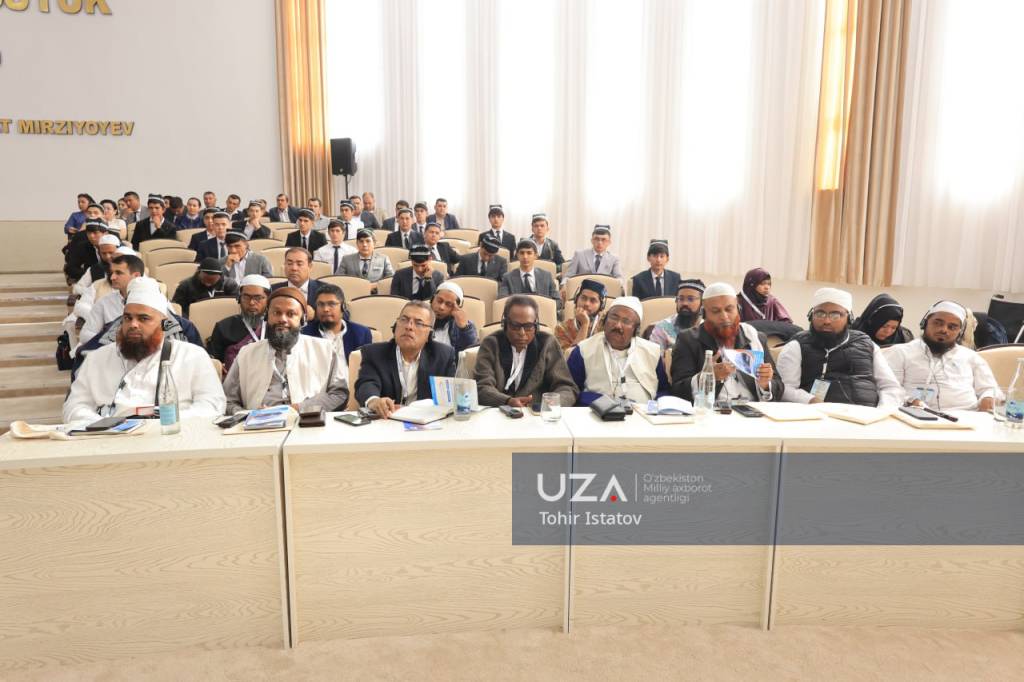
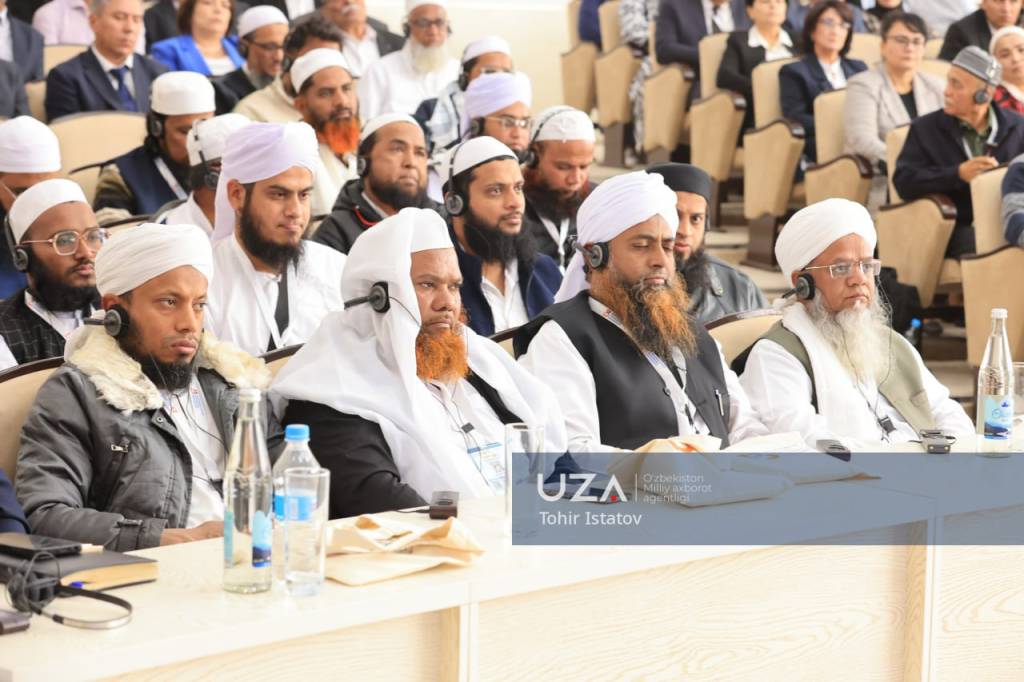
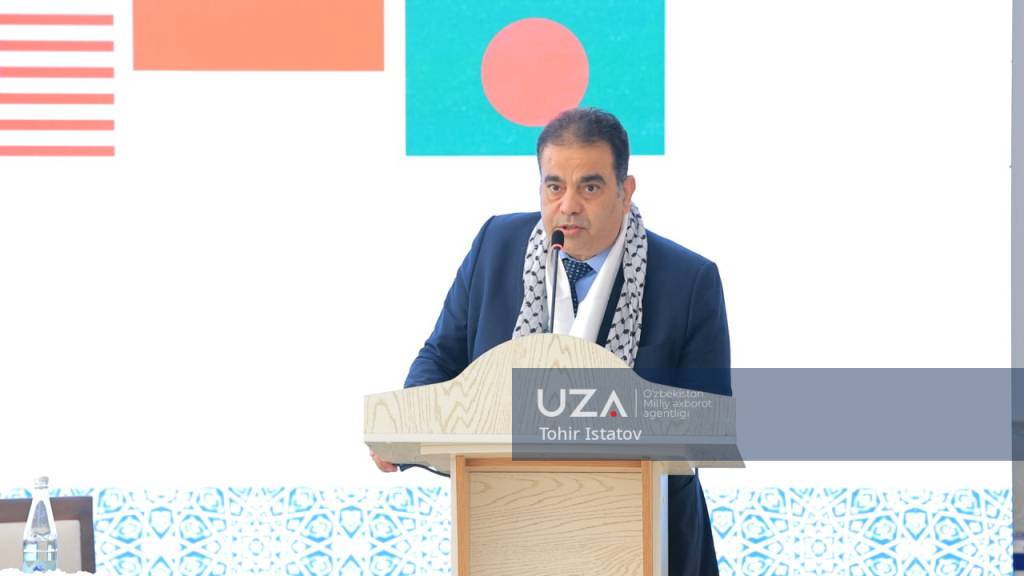
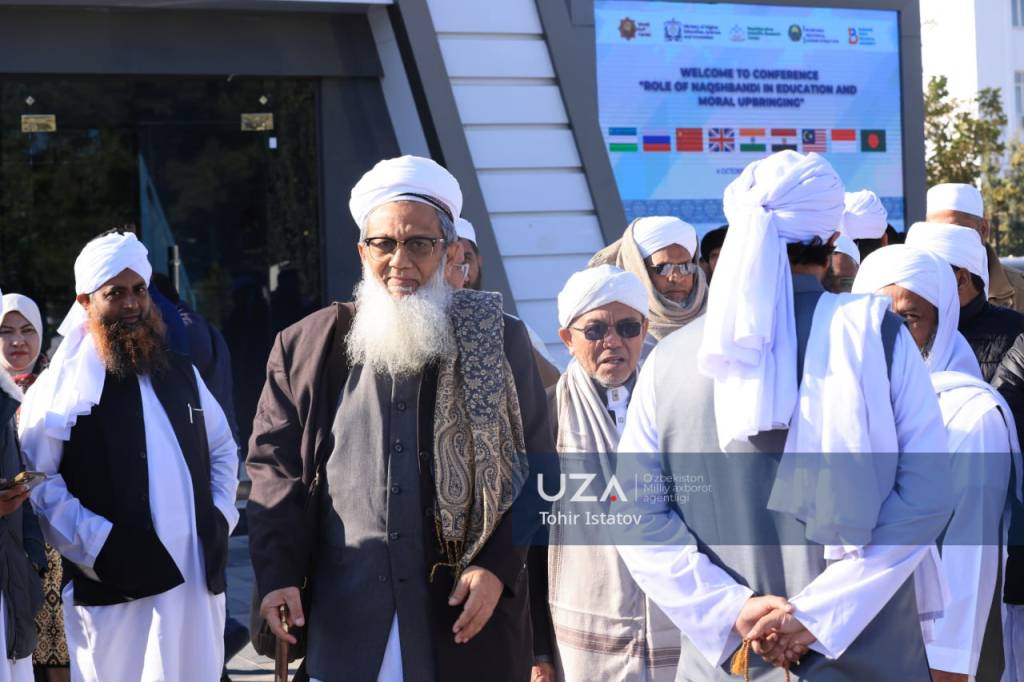
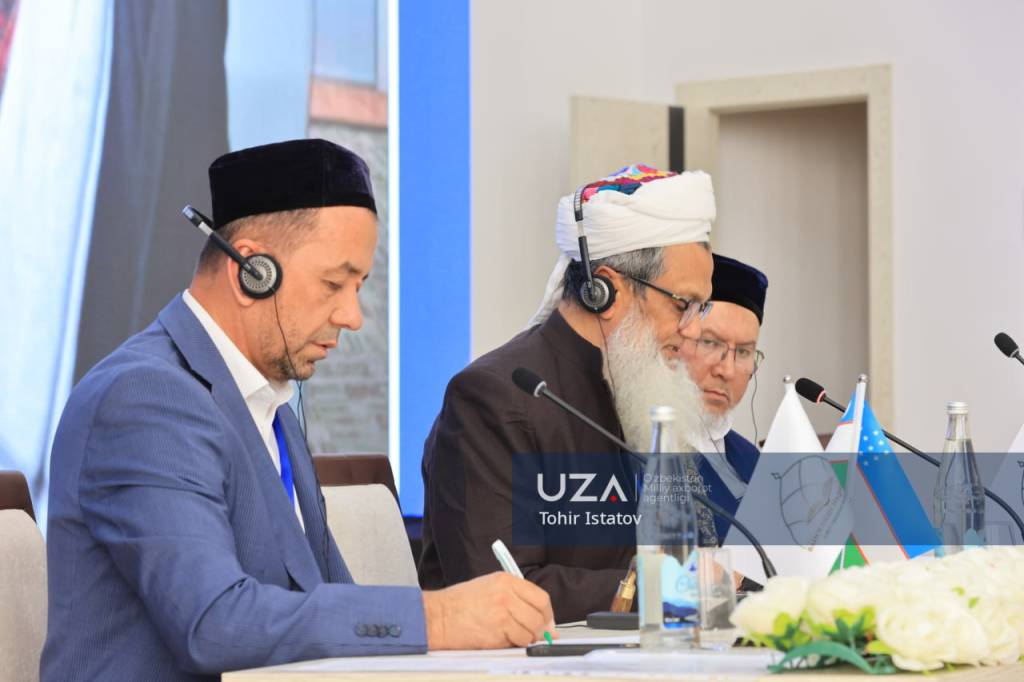
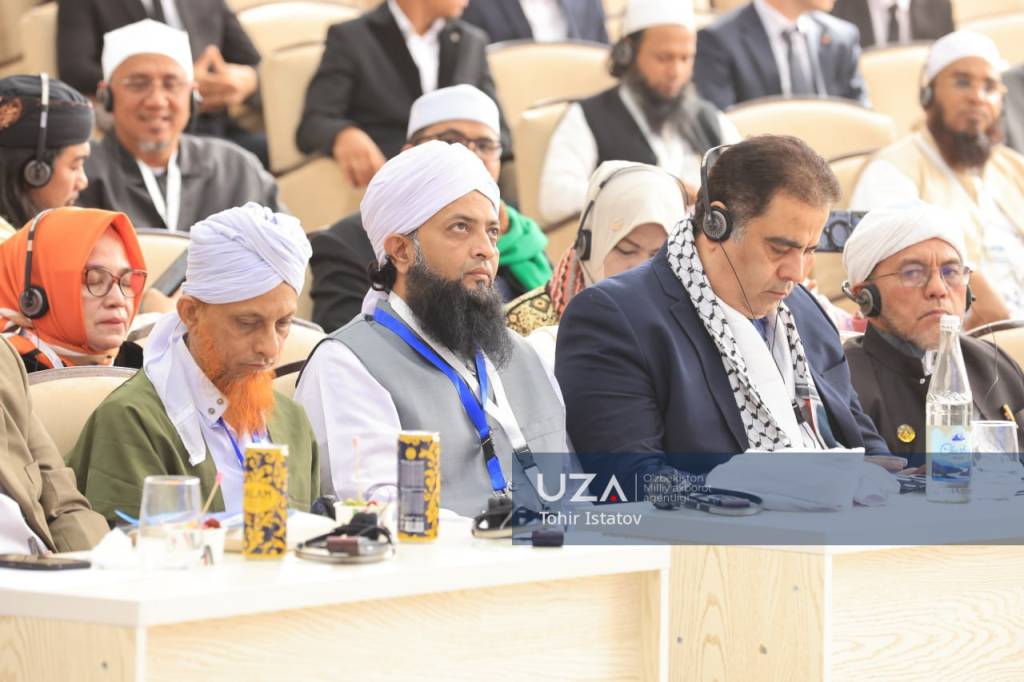
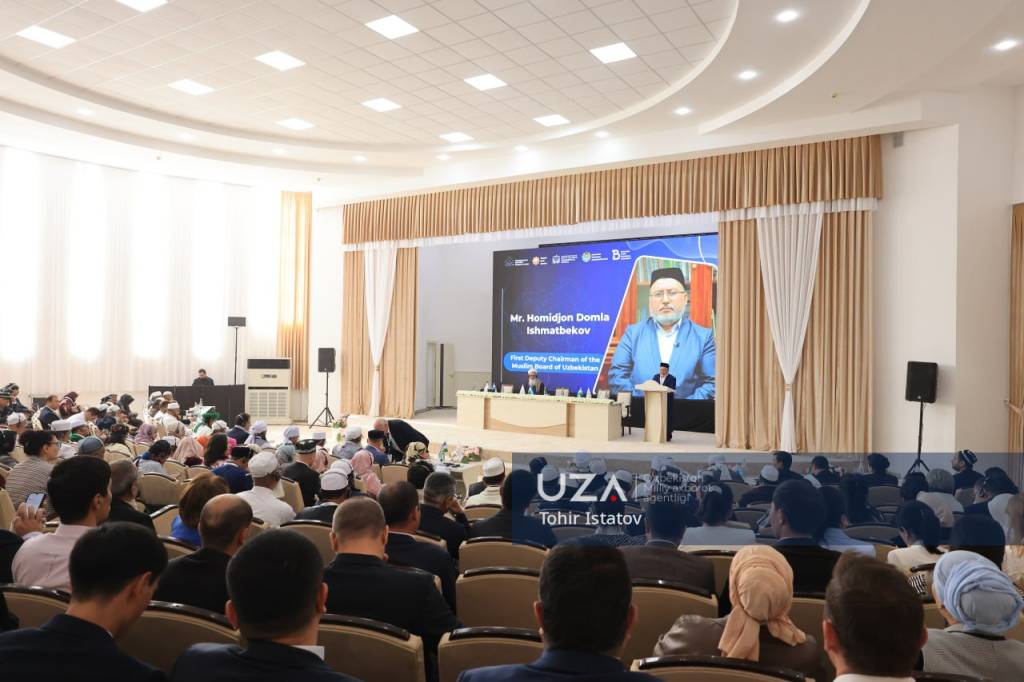
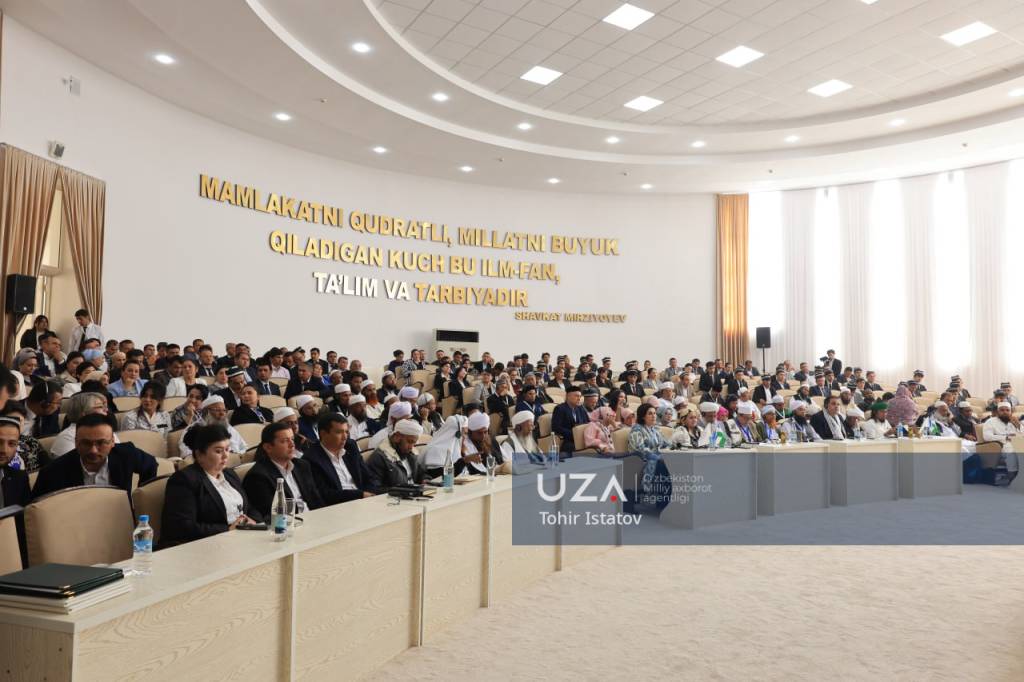
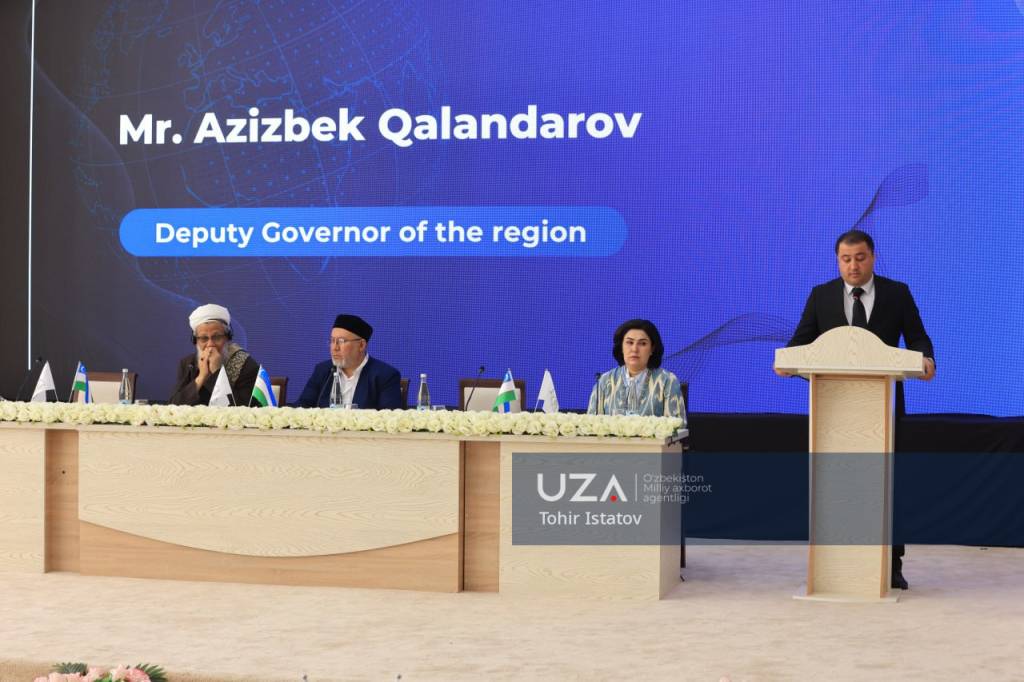
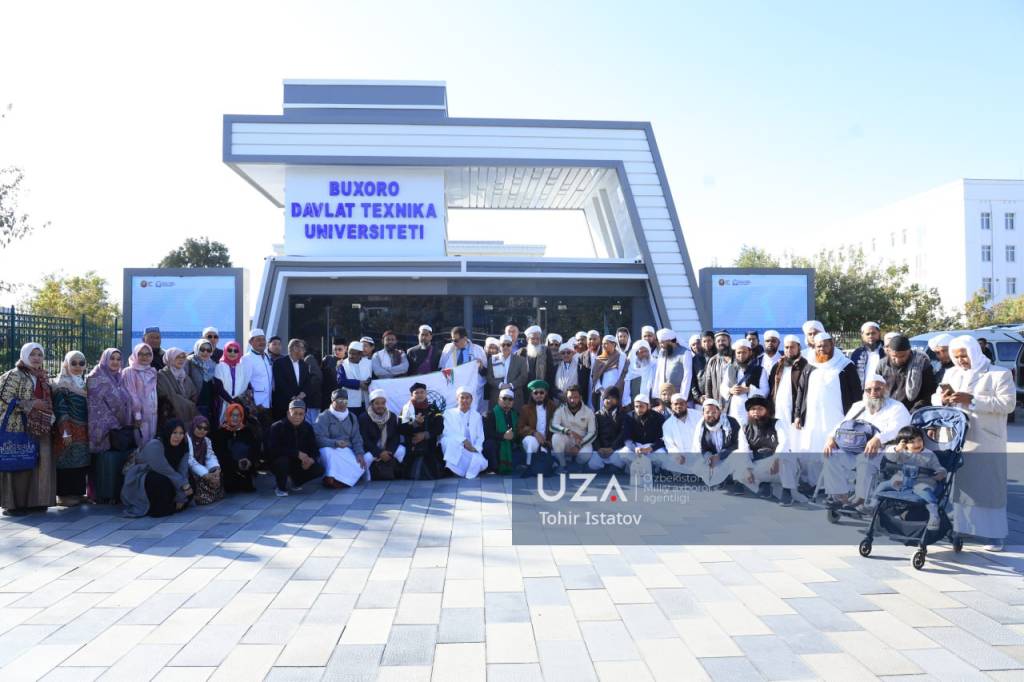
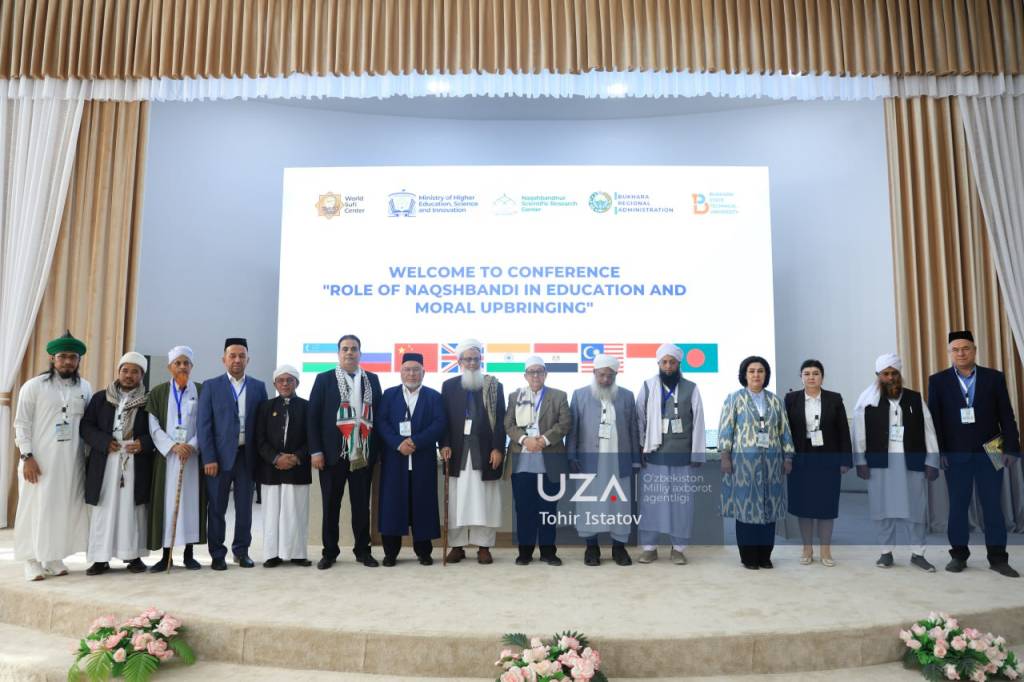
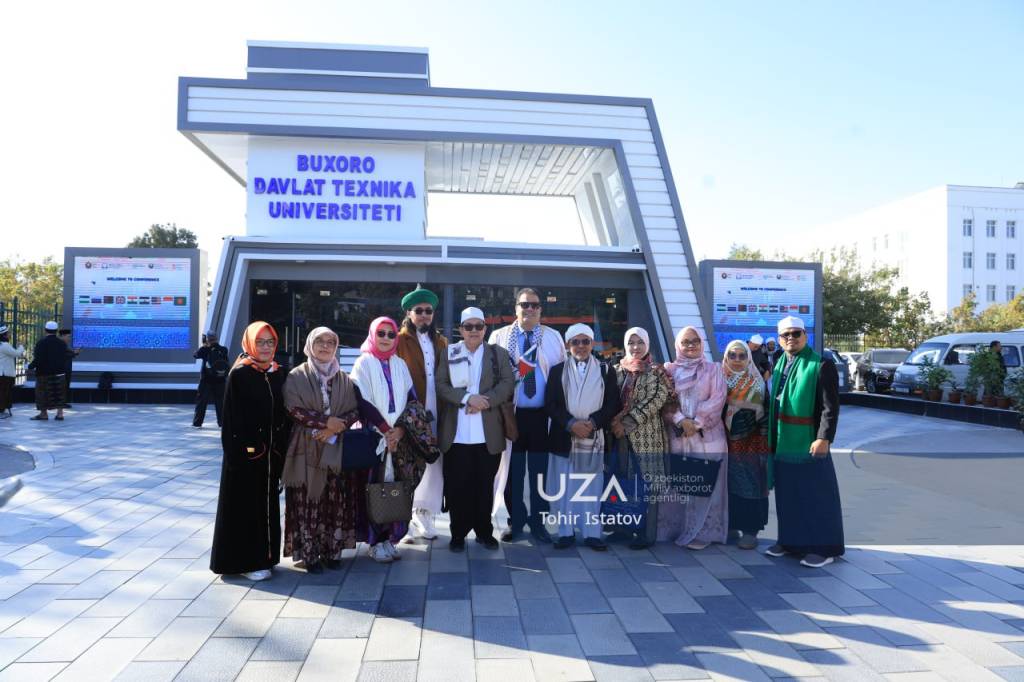
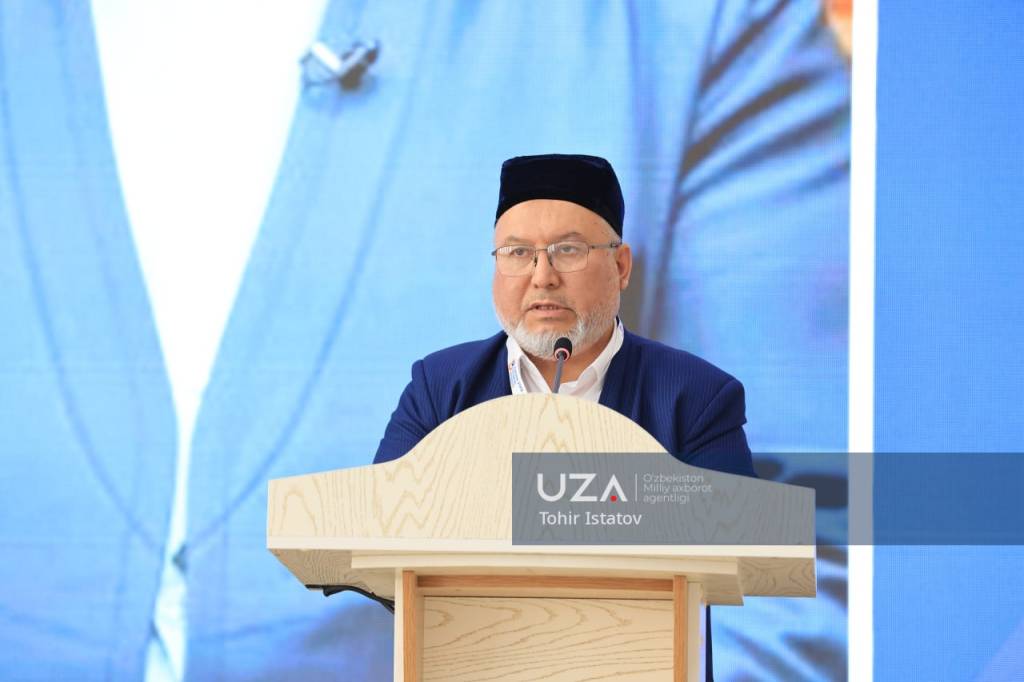
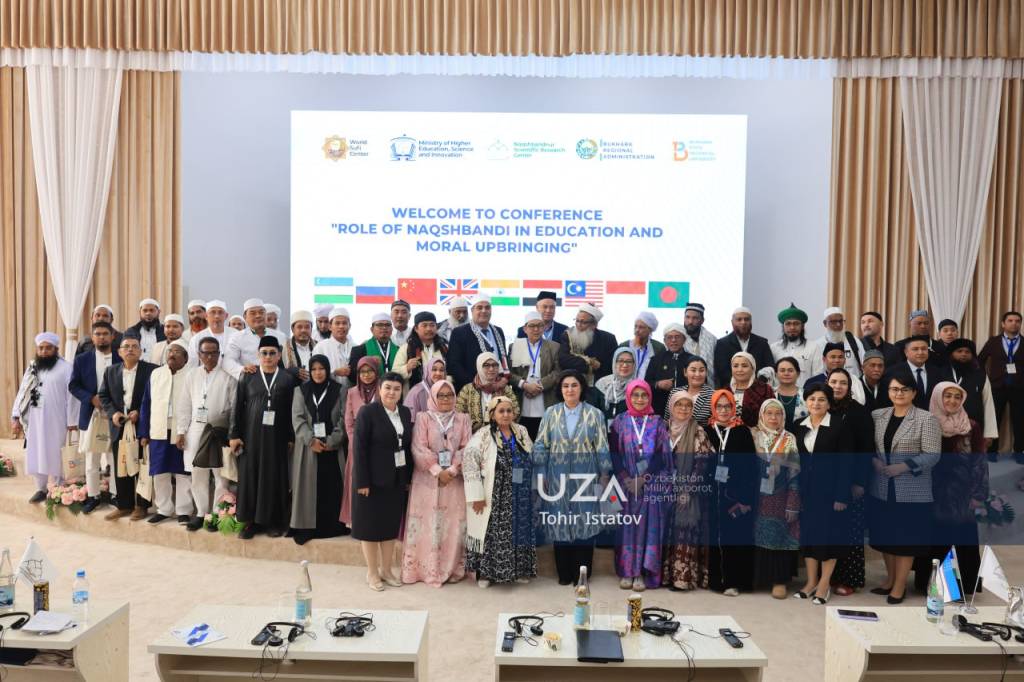
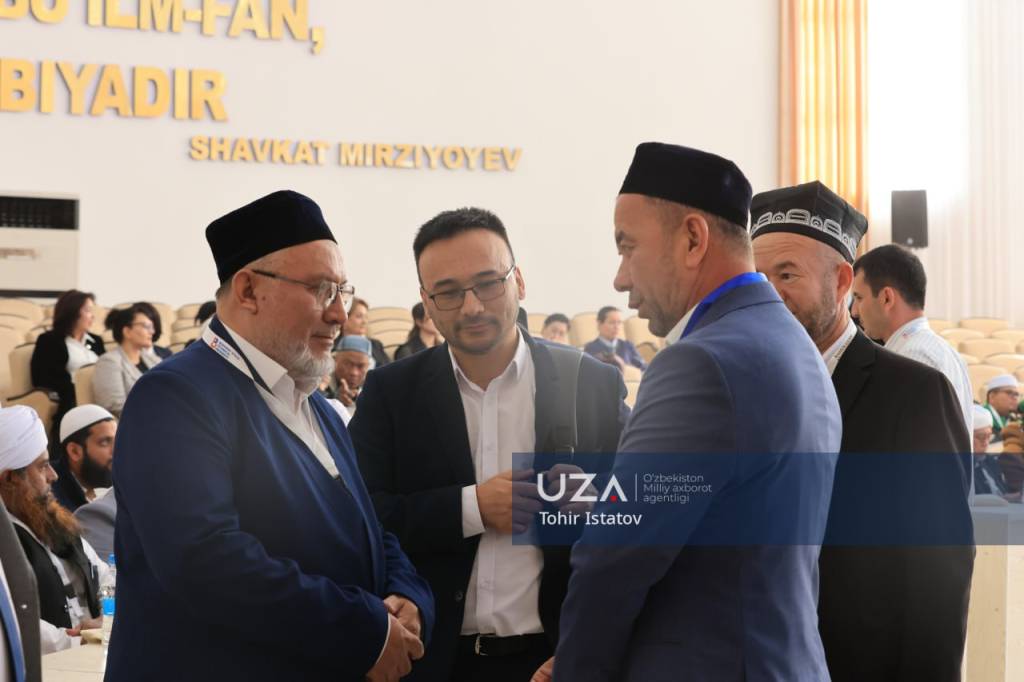
The Bukhara State Technical University hosted an international scientific conference on “The role of Naqshband in education and moral upbringing”.
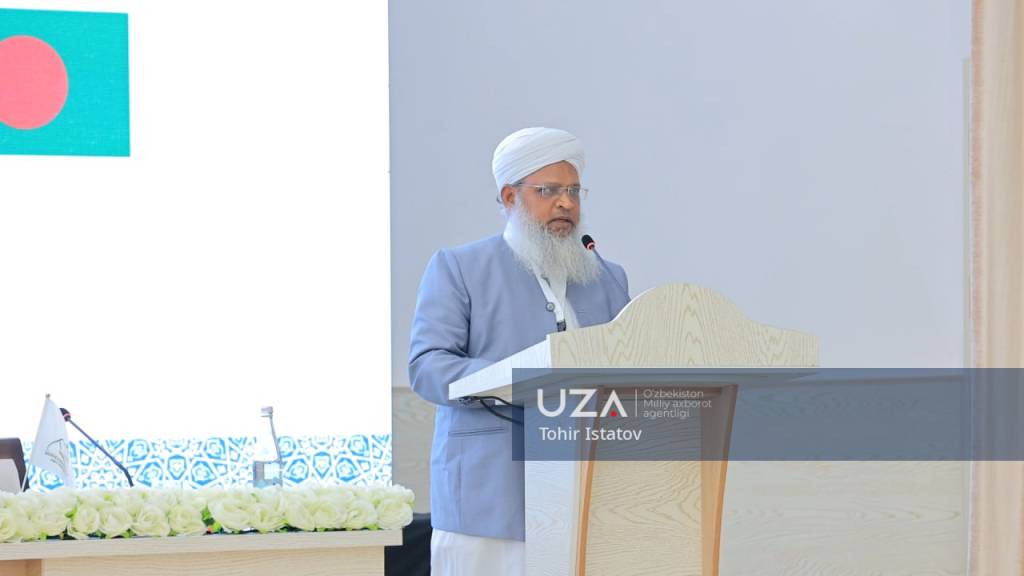
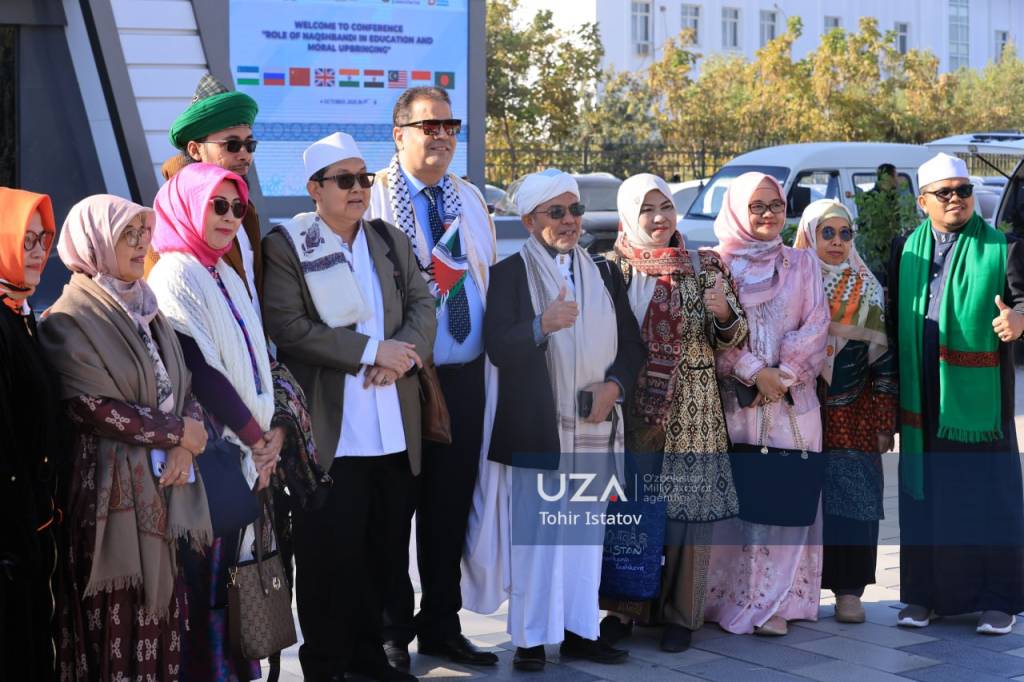
At the event, scientists and researchers from Bangladesh, Indonesia, Malaysia, India, Russia, Egypt, China, the United Kingdom, and Uzbekistan expressed their views on the legacy of the great thinker Bahauddin Naqshband in the process of education and upbringing, as well as the formation of spiritual and moral values.
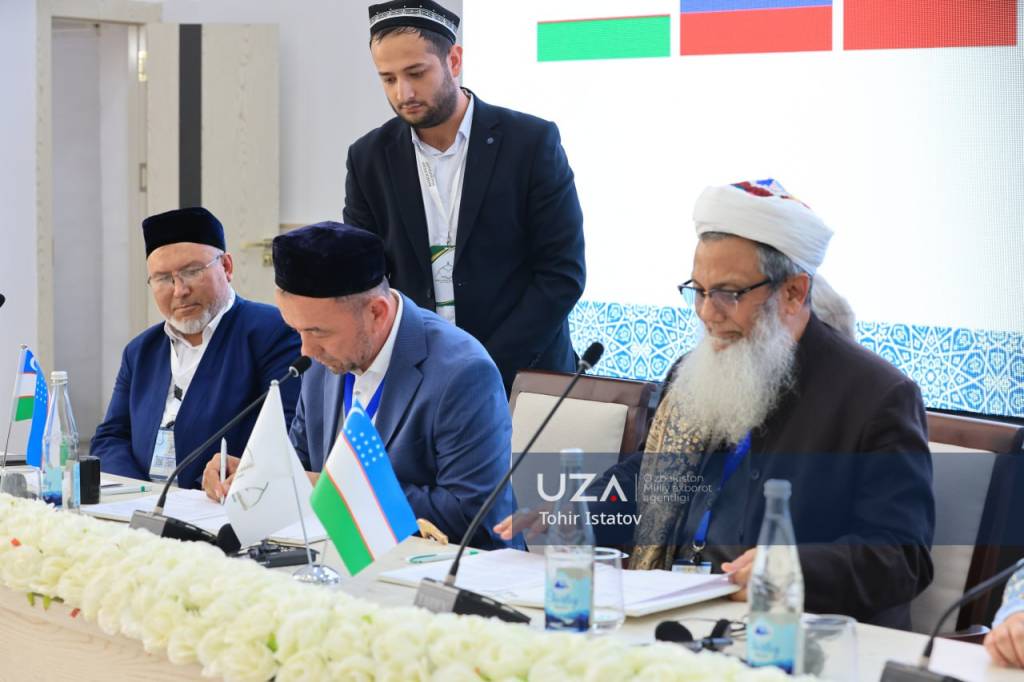
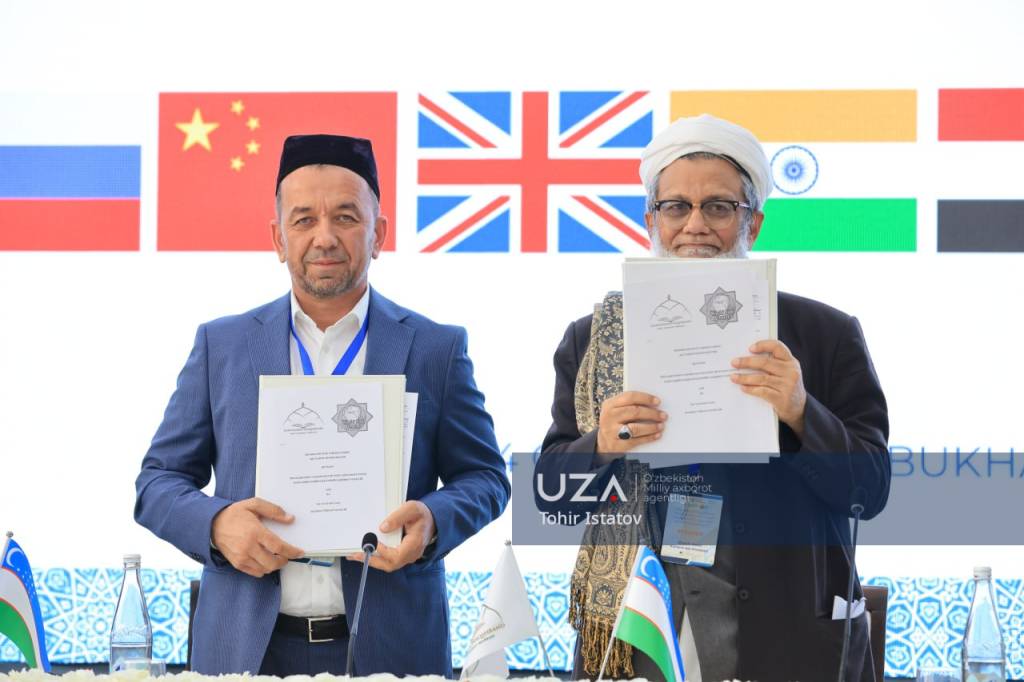
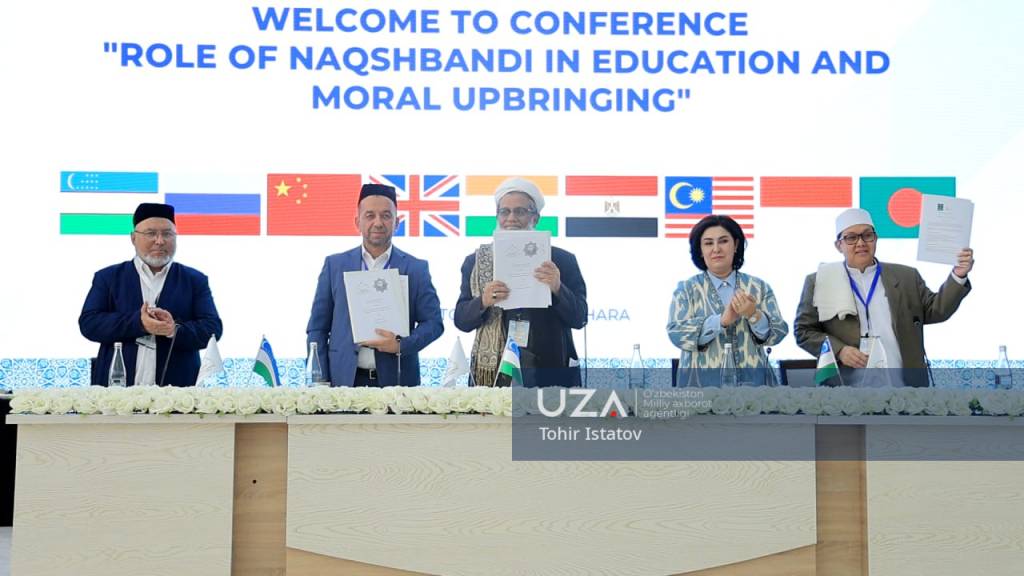
As part of the international scientific conference, Bukhara State Technical University signed a Memorandum of Cooperation with the Jam'iyyah Ahlith Thariqah al-Mu'tabarah an-Nahdliyyah. The memorandum aims to foster international cooperation in the fields of science, education, and spirituality, exchange experiences, and implement joint projects. It will serve not only to strengthen scientific ties between universities, but also to deeply study and promote the Naqshbandi teachings in the education of the younger generation.
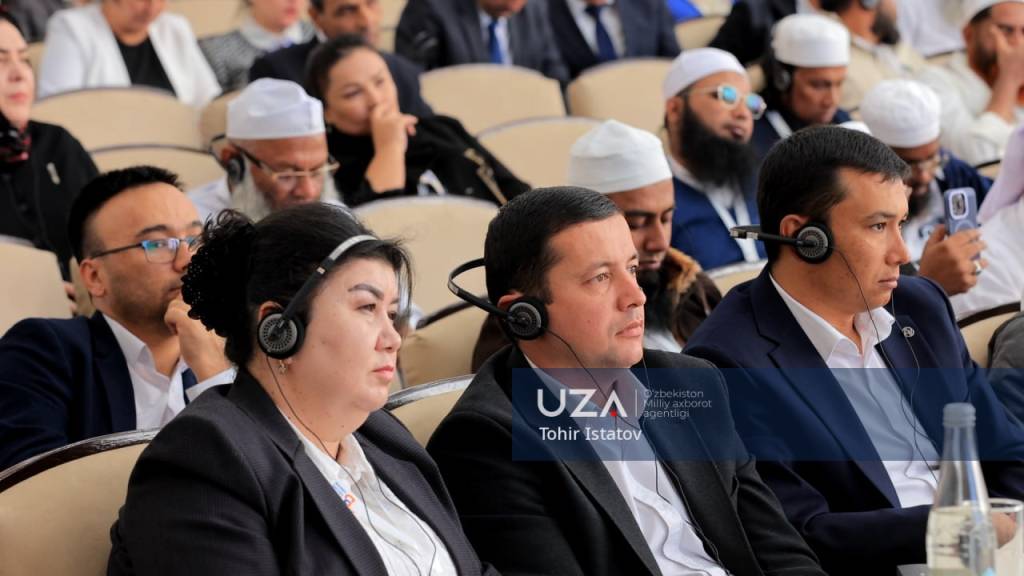
Халқаро илмий конференция
Photo:Tohir Istatov
1 / 27
Фоторепортаж:Халқаро илмий конференция
Zarif Komilov, UzA
SHARE INFORMATION ON SOCIAL NETWORKS



 Iman
Iman  Prayer
  Fasting
  Zakat
Zakat  Haj
Haj  Qur`an
  Lessons of Islam
  Contact