Sheikh Bashir bin Ahmed Siddiq at Masjid an-Nabawi Passes Away After 60 Years of Service
06.10.2025
39504
1 min.
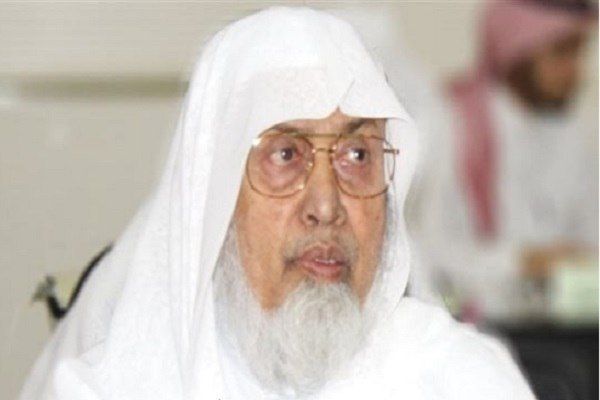
Sheikh Bashir bin Ahmed Siddiq, the senior Quran recitation teacher at Al-Masjid An-Nabawi, passed away on October 1, 2025, after dedicating sixty years to teaching at the Prophet’s Mosque. His students include some of the most prominent reciters and Islamic scholars of recent generations, forming a legacy that extends across the Muslim world.
Among his notable students are former Holy Mosques Imams Sheikh Muhammad Ayyoub and Sheikh Ali Jaber, current An-Nabawi Imams Sheikh Abdul Muhsin Al-Qasim and Sheikh Salah Al-Budair, and Sheikh Muhammad Al-Mukhtar Al-Shanqiti of the Senior Scholars Council. These figures represent just a portion of the thousands who studied under Sheikh Bashir’s guidance at the Medina mosque.
Sheikh Bashir established himself as a pillar of Quranic education within the sacred premises of the Prophet’s Mosque. His teaching career spanned six decades, during which he maintained a consistent presence in the mosque’s educational circles.
Students traveled from various countries specifically to learn Quran recitation from him, drawn by his reputation for precision and deep knowledge of tajweed rules.
The Sheikh’s methodology combined traditional teaching techniques with deep scholarly insight, creating a learning environment that produced some of the most recognized voices in Islamic recitation.
His students now lead prayers at Islam’s holiest sites and hold positions on scholarly councils, continuing the traditions he preserved and taught.
SHARE INFORMATION ON SOCIAL NETWORKS



 Iman
Iman  Prayer
  Fasting
  Zakat
Zakat  Haj
Haj  Qur`an
  Lessons of Islam
  Contact