The Charter Of Makkah
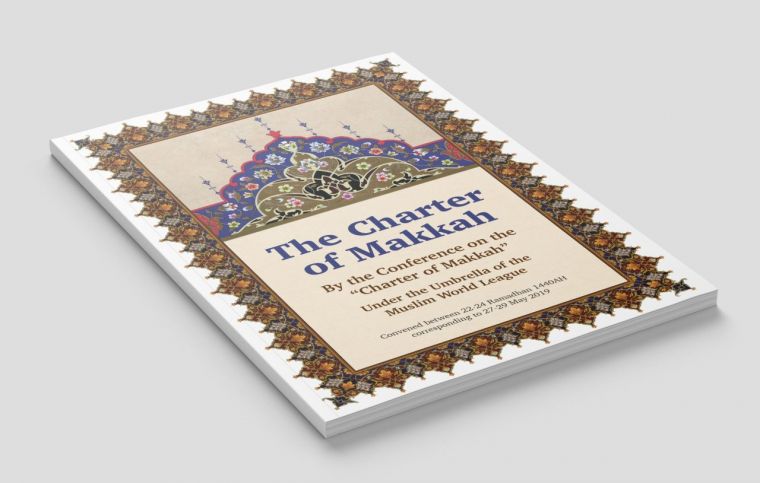
The Charter Of Makkah, endorsed by the muftis and scholars of the Islamic Ummah from various schools of thought and sects, as well as by the member states of the OIC, is considered the second charter of its kind in Islamic history after the Charter of Medina, signed by our Prophet Muhammad (peace and blessings be upon him).
As a pivotal charter in a pressing contemporary context, it reflects the high aspirations of Islamic scholarship in confronting numerous challenges and shortcomings, and in addressing narrow-mindedness, backwardness, and extremism that have emerged in various contexts.
The Charter also embodies the compassion and mercy of Islam for the world. It supports the causes of coexistence and positive integration, and affirms the harmonious reconciliation—within the true message of Islam—of religious and national identities, particularly in diverse societies and in countries with Muslim minorities.
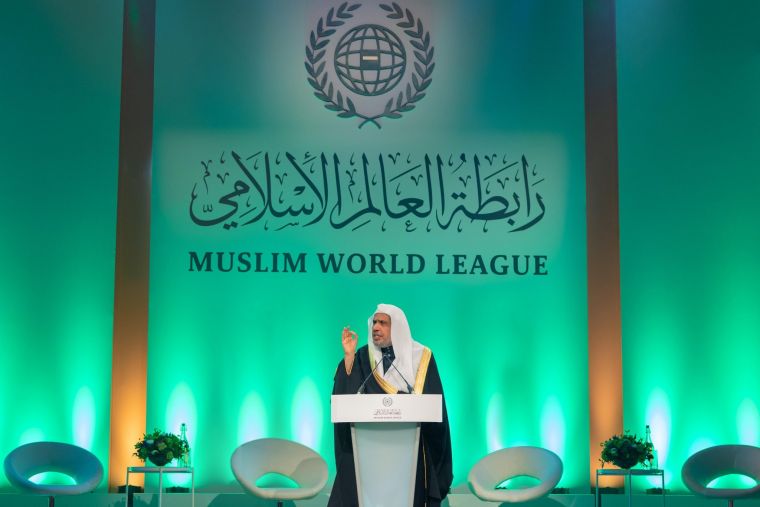
Uzbekistan: Over 1,700 Mosques Hosting Khatm Quran in Ramadan
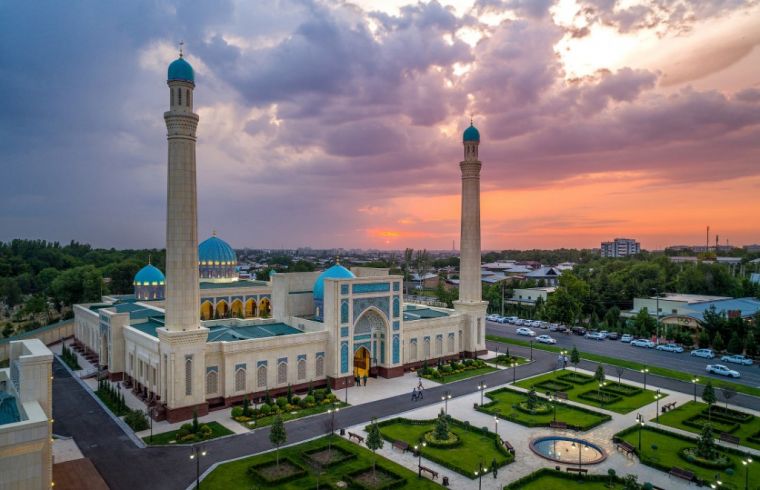
During the holy month, more than 2,100 mosques across the Central Asian country will hold Taraweeh prayers, with over 1,700 completing the recitation of the entire Quran within 27 days, the Muslim Board of Uzbekistan said.
Approximately 3,500 reciters with melodious voices will lead the Taraweeh prayers and the Khatm Quran in mosques.
On February 27, a presidential decree titled “On the Worthy Conduct of the Blessed Month of Ramadan” announced that the month of Ramadan this year will commence on March 1.
Additionally, the Fatwa Center of the Muslim Board of Uzbekistan has determined the nisab of zakat, sadaqa al-fitr, and fidya amounts for Ramadan 2025 AD / 1446 Hijri.