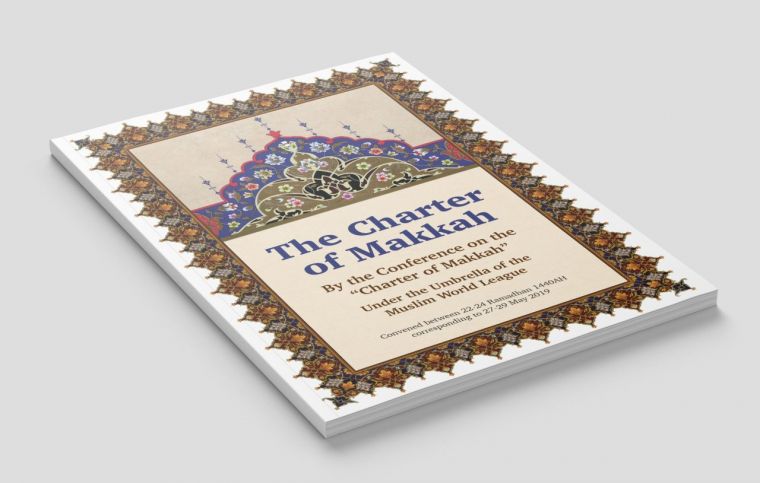
The Charter Of Makkah, endorsed by the muftis and scholars of the Islamic Ummah from various schools of thought and sects, as well as by the member states of the OIC, is considered the second charter of its kind in Islamic history after the Charter of Medina, signed by our Prophet Muhammad (peace and blessings be upon him).
As a pivotal charter in a pressing contemporary context, it reflects the high aspirations of Islamic scholarship in confronting numerous challenges and shortcomings, and in addressing narrow-mindedness, backwardness, and extremism that have emerged in various contexts.
The Charter also embodies the compassion and mercy of Islam for the world. It supports the causes of coexistence and positive integration, and affirms the harmonious reconciliation—within the true message of Islam—of religious and national identities, particularly in diverse societies and in countries with Muslim minorities.
The Council's activities are aimed at developing international standards for the regulation and supervision of Islamic financial institutions, to implement effective corporate governance and risk management mechanisms, as well as to conduct research and capacity building of the staff in this field, and to assist member organisations in these matters.
Membership in this organization will enable the Central Bank to explore the experience of other countries and implement best international practices
in the regulation and supervision of Islamic financial institutions.
For reference: The Council was established in 2002 and is headquartered in Kuala Lumpur (Malaysia). Currently, the Council has 188 members, including 81 regulators and supervisors, 10 international intergovernmental organisations, 97 market participants. Also, the financial regulators of Kazakhstan, Kyrgyzstan and Tajikistan are members of the Council.