News
“Q8 Press”: Initiatives proposed at the I International Forum of Islamic Civilization serve to strengthen partnership, peace and intercultural dialogue
17.07.2026
61263
1 min.
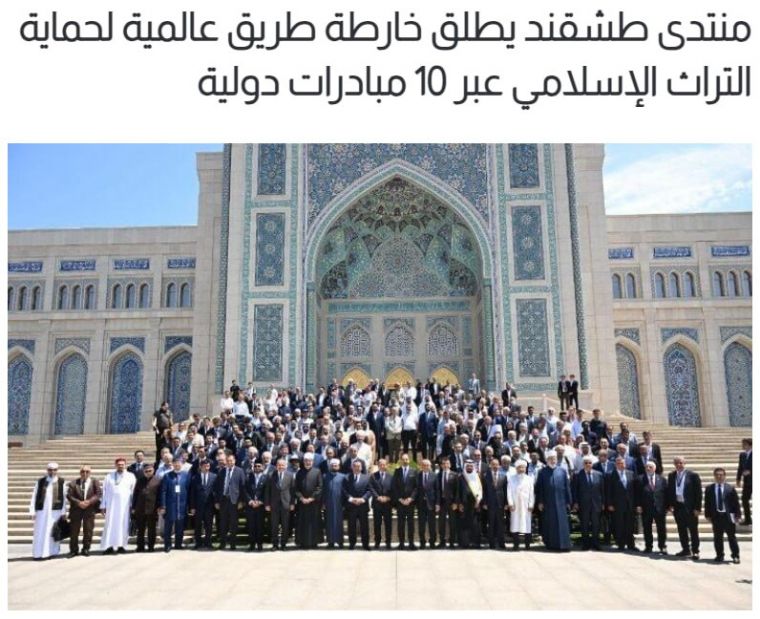
Kuwaiti electronic publication “Q8 Press” published a material on the outcomes of the First International Forum of Islamic Civilization held in Uzbekistan, reports Dunyo IA correspondent.
Publication notes that the forum became an important platform for the development of international cooperation in the study, preservation and promotion of the heritage of Islamic civilization. Particular attention is paid to the adoption of the Tashkent Declaration, which includes ten international initiatives.
Among the key proposals are the creation of the World Alliance of Islamic Civilization, a digital registry and heritage library, as well as the development of cooperation between scientific institutions, museums, and research centers.
According to the assessment of “Q8 Press”, the proposed initiatives will contribute to the preservation of historical and cultural heritage, the strengthening of partnership, peace and intercultural dialogue.
SHARE INFORMATION ON SOCIAL NETWORKS



 Iman
Iman  Prayer
  Fasting
  Zakat
Zakat  Haj
Haj  Qur`an
  Lessons of Islam
  Contact