The Charter Of Makkah
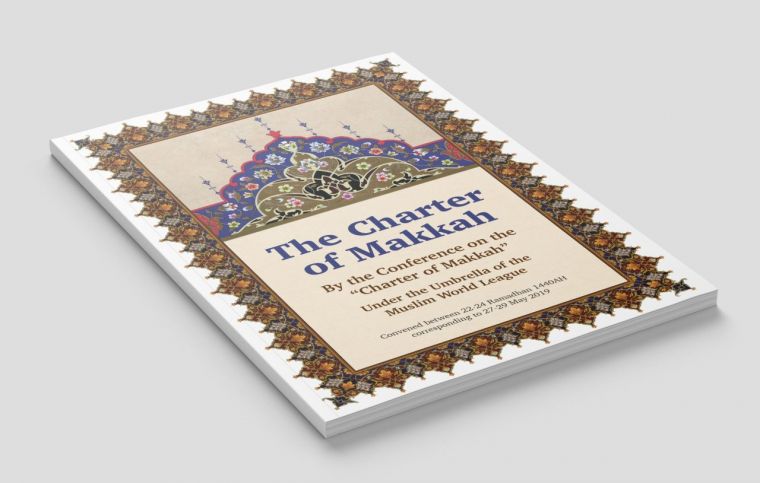
The Charter Of Makkah, endorsed by the muftis and scholars of the Islamic Ummah from various schools of thought and sects, as well as by the member states of the OIC, is considered the second charter of its kind in Islamic history after the Charter of Medina, signed by our Prophet Muhammad (peace and blessings be upon him).
As a pivotal charter in a pressing contemporary context, it reflects the high aspirations of Islamic scholarship in confronting numerous challenges and shortcomings, and in addressing narrow-mindedness, backwardness, and extremism that have emerged in various contexts.
The Charter also embodies the compassion and mercy of Islam for the world. It supports the causes of coexistence and positive integration, and affirms the harmonious reconciliation—within the true message of Islam—of religious and national identities, particularly in diverse societies and in countries with Muslim minorities.
MFA holds talks on expanding tourist flows from Indonesia, Malaysia, and Singapore to Uzbekistan

A meeting was held yesterday at the Ministry of Foreign Affairs to discuss the implementation of the decree of the Head of our state “On Measures to Further Develop Domestic and Pilgrimage Tourism in the Republic of Uzbekistan” dated February 9, 2021, and the resolution of the Cabinet of Ministers “On Additional Measures to Implement the “Umrah Plus” Pilgrimage Tourism Program dated January 9, 2026, as well as to expanding tourist flows from Indonesia, Malaysia, and Singapore to Uzbekistan, reports Dunyo IA.
According to the MFA, the meeting, organized in a hybrid format, was attended by representatives of the Tourism Committee of Uzbekistan, the Committee on Religious Affairs, the Technical Regulation Agency, the khokimiyats of Bukhara and Samarkand regions and Tashkent city, JSC Uzbekistan Airways, JSC Uzbekistan Airports, domestic airlines, the Uzbekistan–Malaysia–Indonesia Travel Association, the Association of Umrah Pilgrimage Travel Agencies, as well as nearly 40 representatives of tourism companies.
Participants discussed in detail transport and logistics, service quality, and promotional measures aimed at increasing tourist arrivals to Uzbekistan from Southeast Asian countries. In particular, they considered increasing the number of flights from Malaysia, launching direct flights from Indonesia and Singapore, intensifying promotional activities for pilgrimage tourism under the “Umrah Plus” program, aligning infrastructure for foreign pilgrims with international halal standards, and strengthening coordination with tourism companies operating in this field.
The event was held in an open dialogue format based on the “problem–proposal–solution” approach, providing participants with an opportunity to exchange constructive views on existing challenges and opportunities in the sector.
