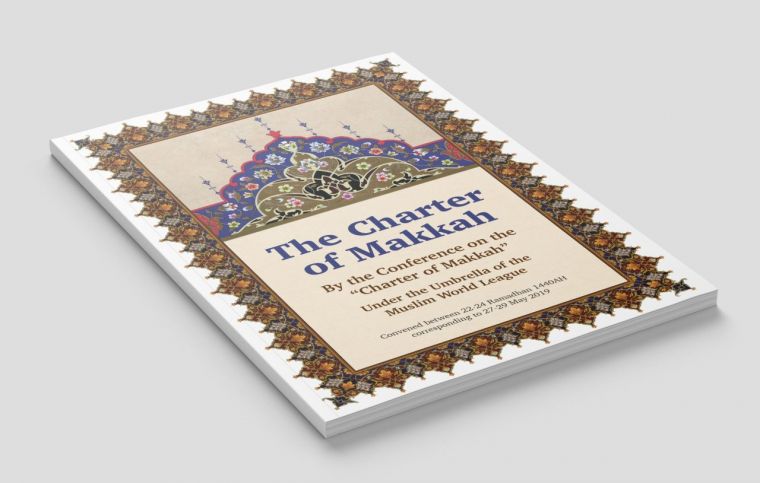
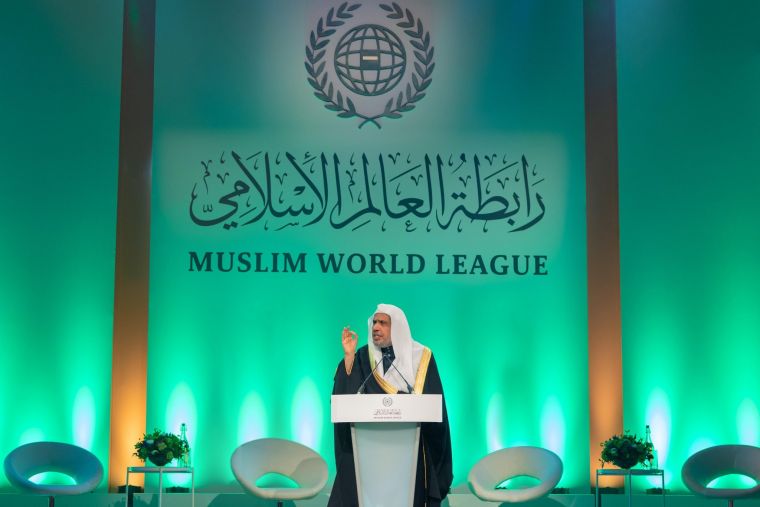
The Charter Of Makkah, endorsed by the muftis and scholars of the Islamic Ummah from various schools of thought and sects, as well as by the member states of the OIC, is considered the second charter of its kind in Islamic history after the Charter of Medina, signed by our Prophet Muhammad (peace and blessings be upon him).
As a pivotal charter in a pressing contemporary context, it reflects the high aspirations of Islamic scholarship in confronting numerous challenges and shortcomings, and in addressing narrow-mindedness, backwardness, and extremism that have emerged in various contexts.
The Charter also embodies the compassion and mercy of Islam for the world. It supports the causes of coexistence and positive integration, and affirms the harmonious reconciliation—within the true message of Islam—of religious and national identities, particularly in diverse societies and in countries with Muslim minorities.
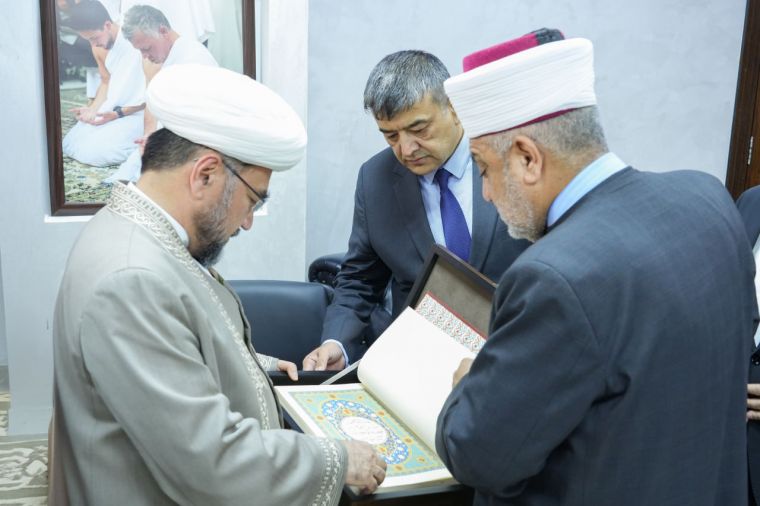
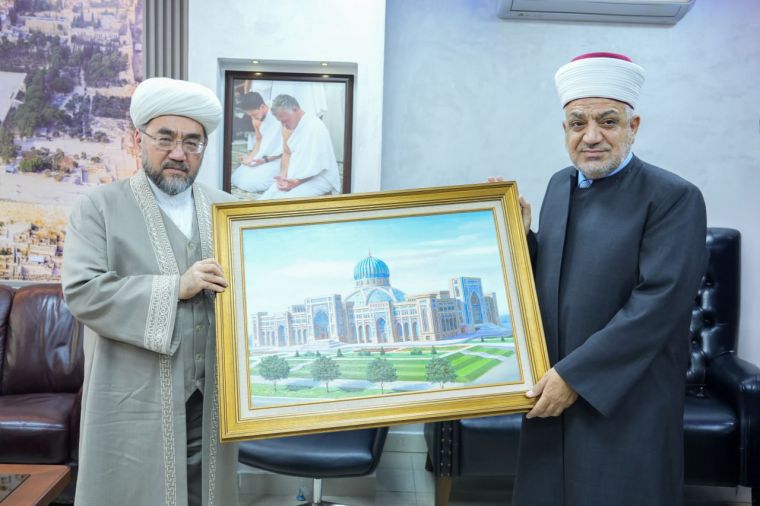
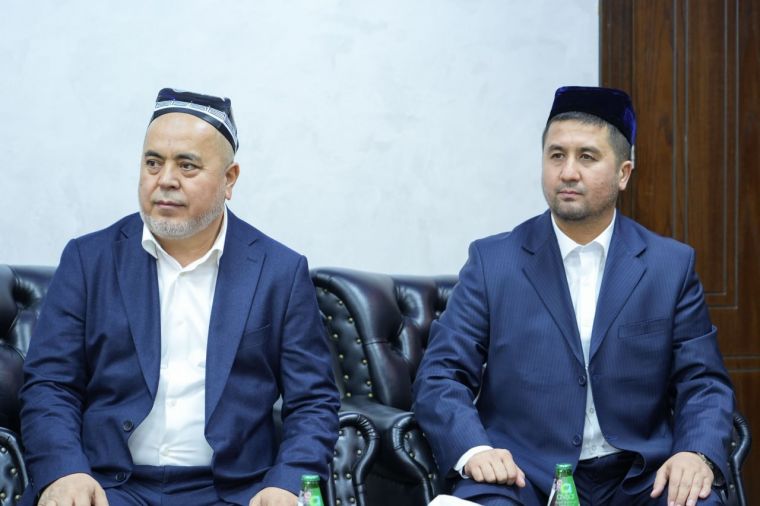
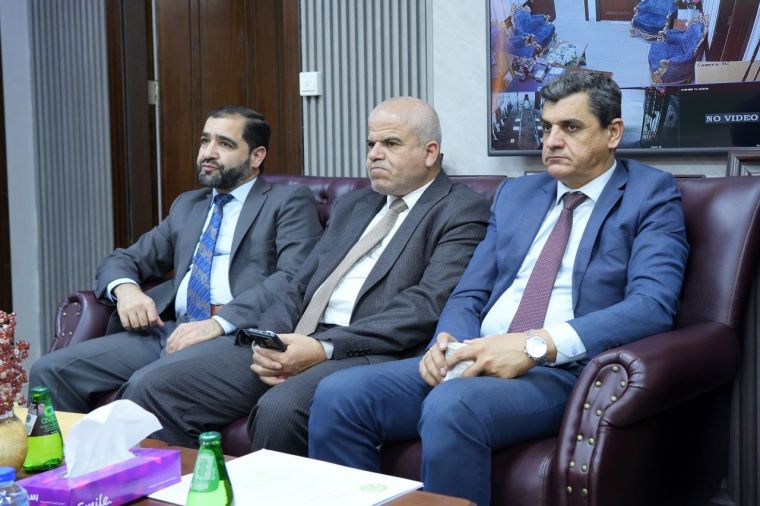
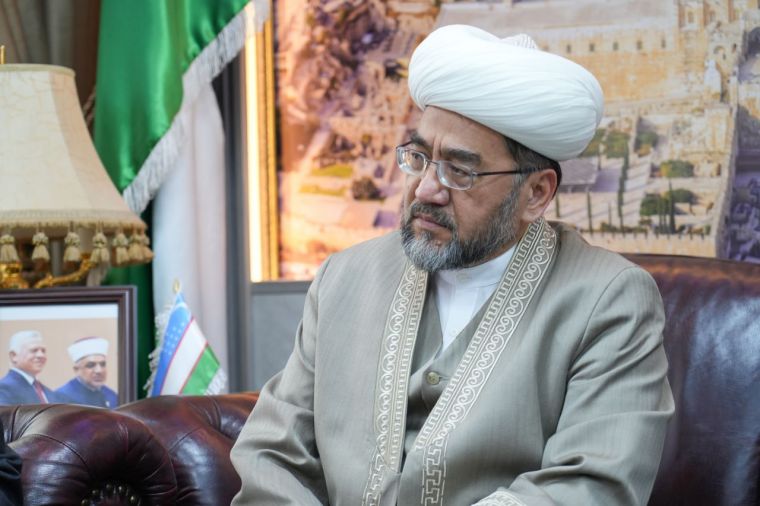
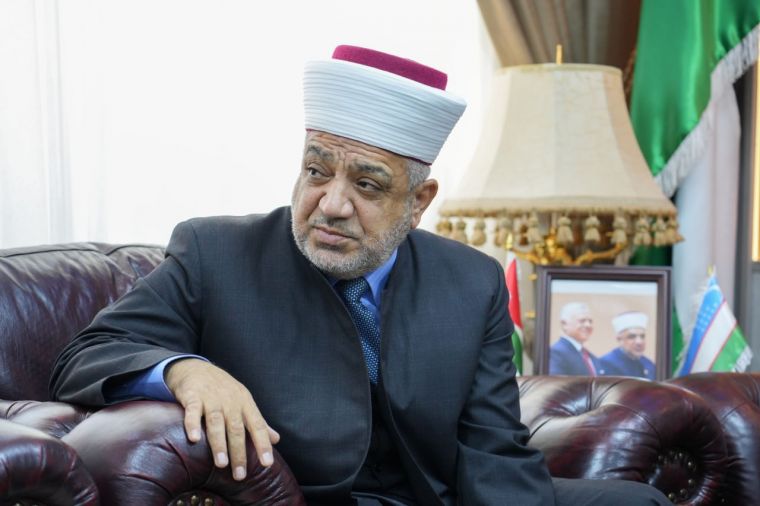
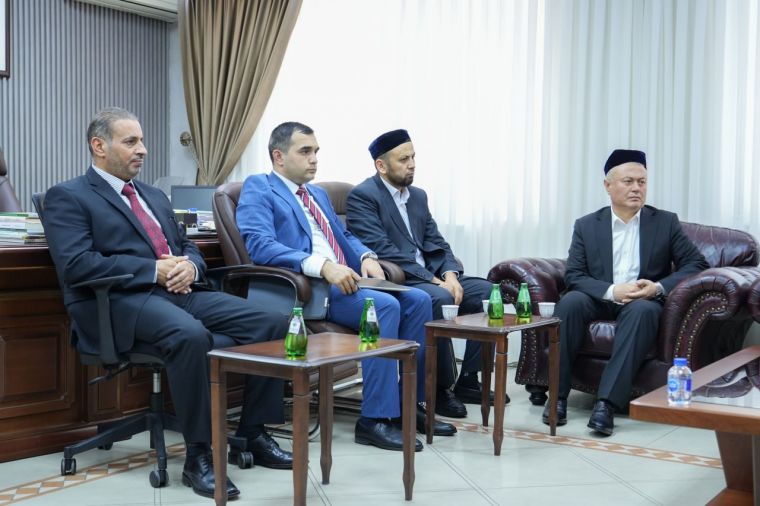
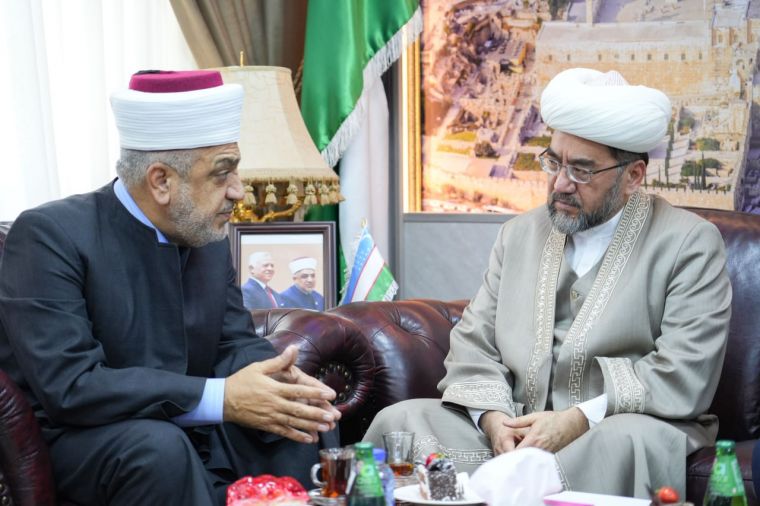
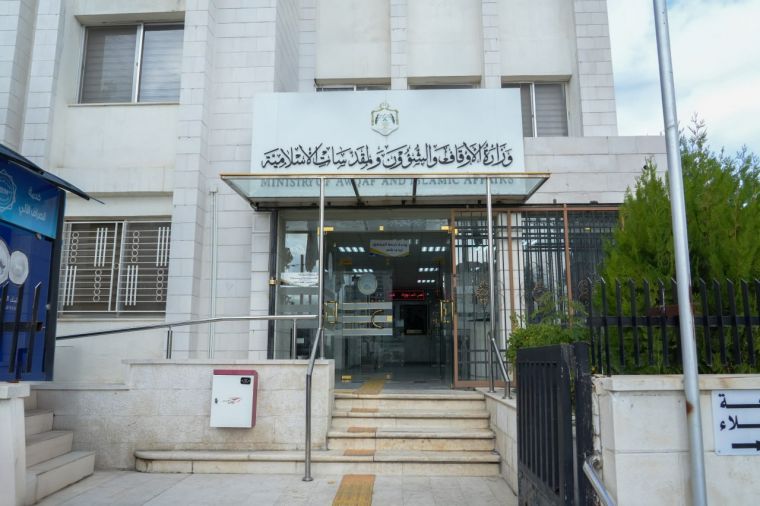
In the city of Amman, the Chairman of the Muslim Board of Uzbekistan, Mufti Shaykh Nuriddin Kholiqnazar, held a meeting with the Jordanian Minister of Awqaf, Islamic Affairs and Holy Places, Muhammad Ahmad Muslim Khalayleh.
The meeting resulted in the following agreements:
Specialists of the Waqf Charity Public Foundation under the Muslim Board of Uzbekistan will undergo professional training in Jordan;
Experts of the Waqf Charity Public Foundation will visit Jordan for experience exchange programs;
Jordanian professors and scholars will conduct a master class on waqf-related matters.
Muslim Board of Uzbekistan
Press Service