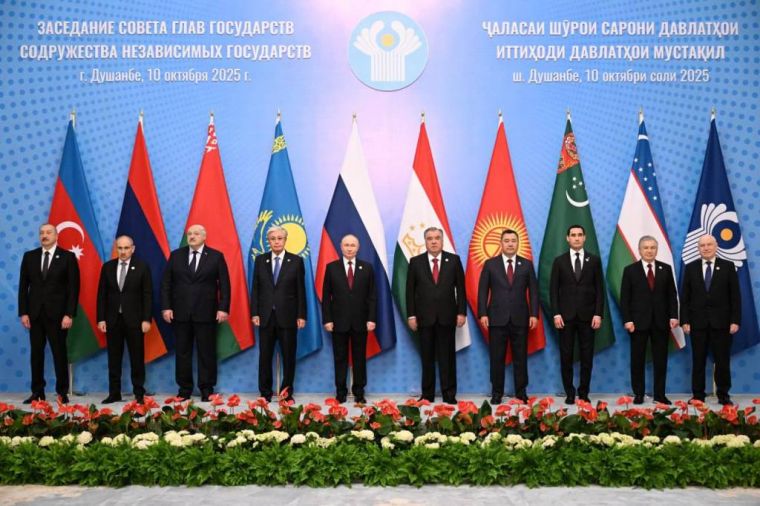
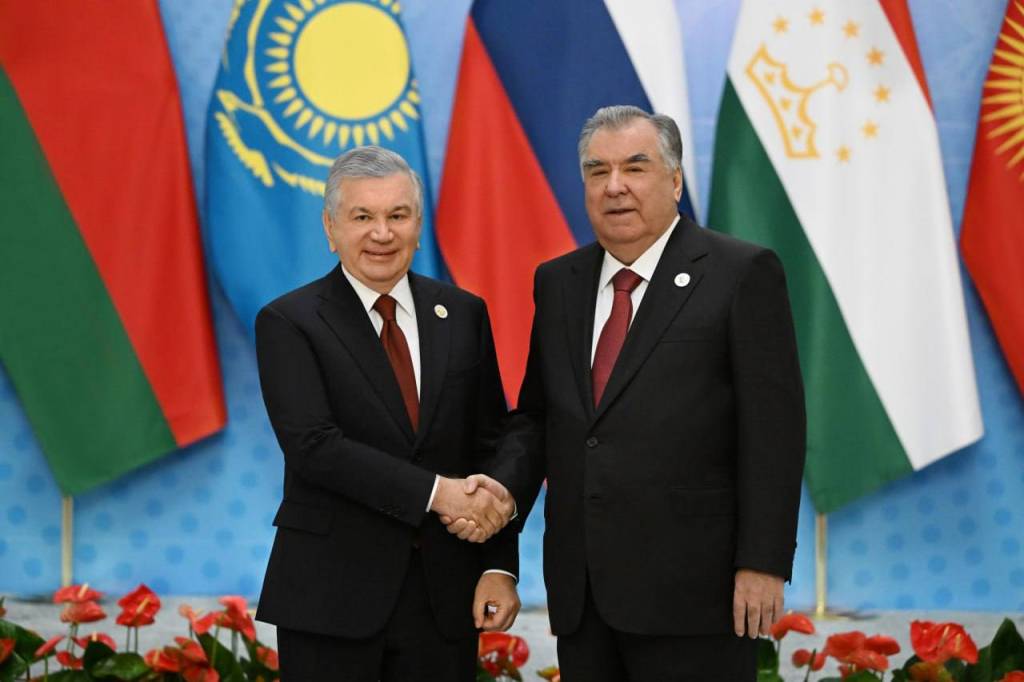
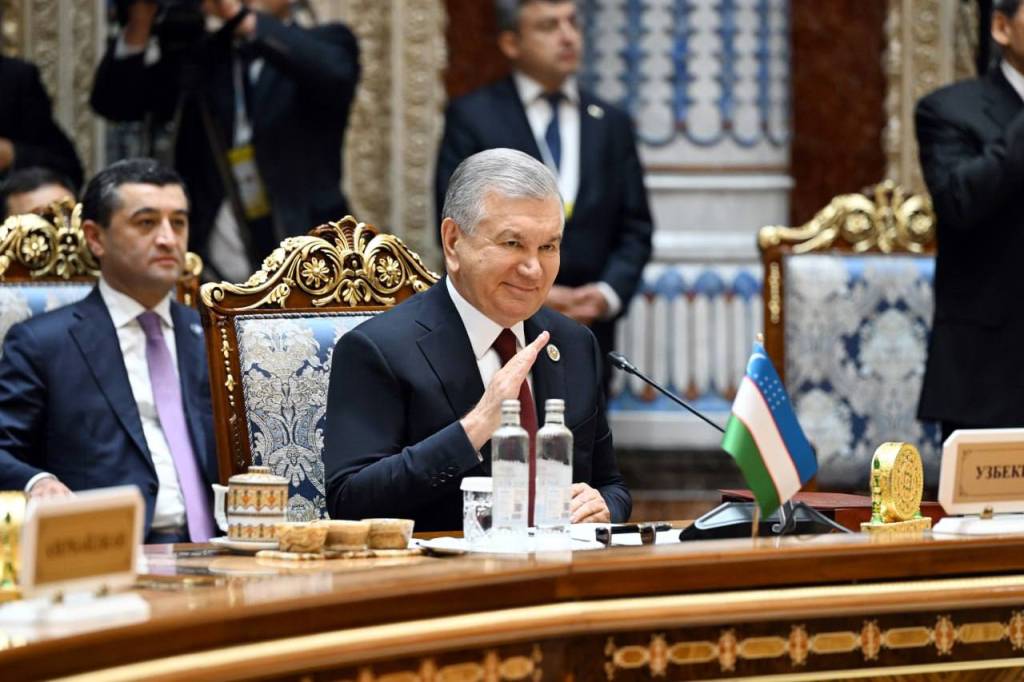
On October 10, the President of the Republic of Uzbekistan Shavkat Mirziyoyev took part in the regular meeting of the Council of Heads of State of the Commonwealth of Independent States (CIS), held in Dushanbe.
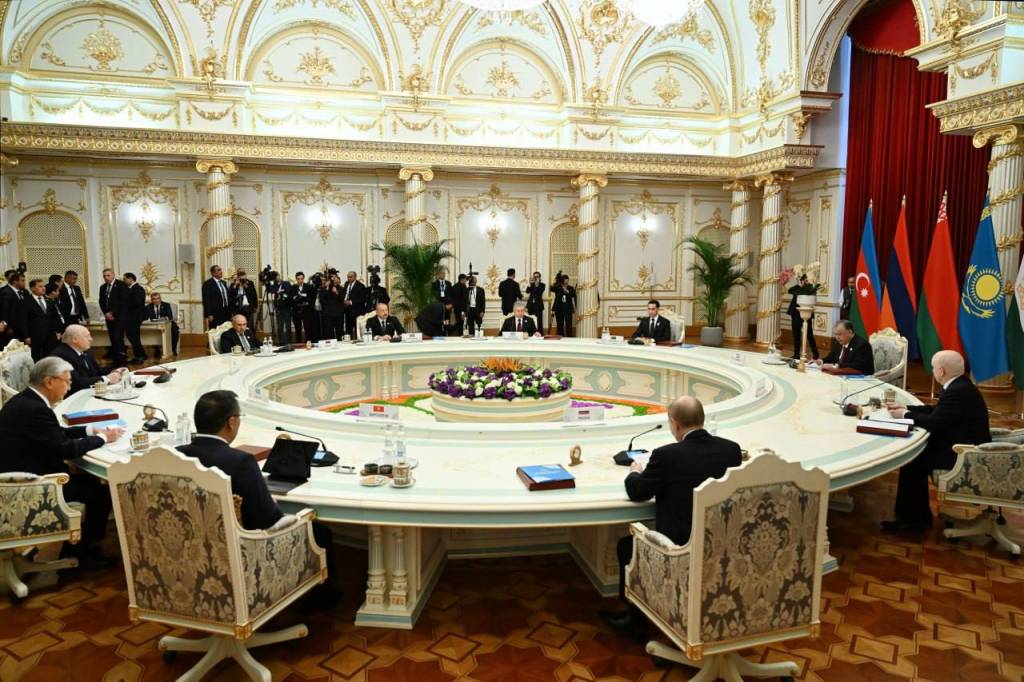
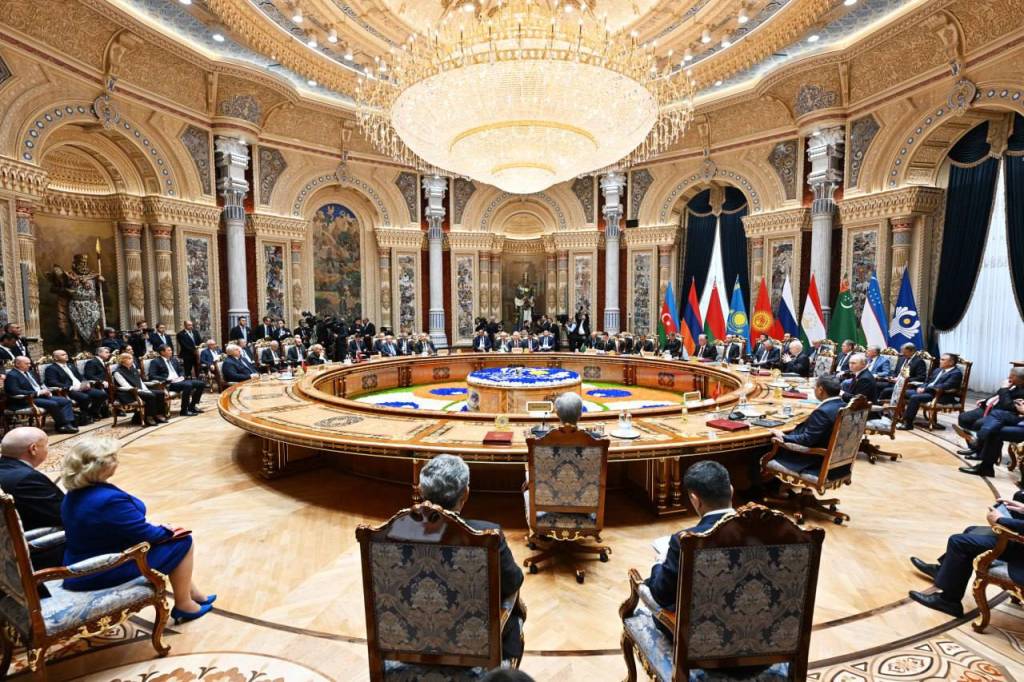
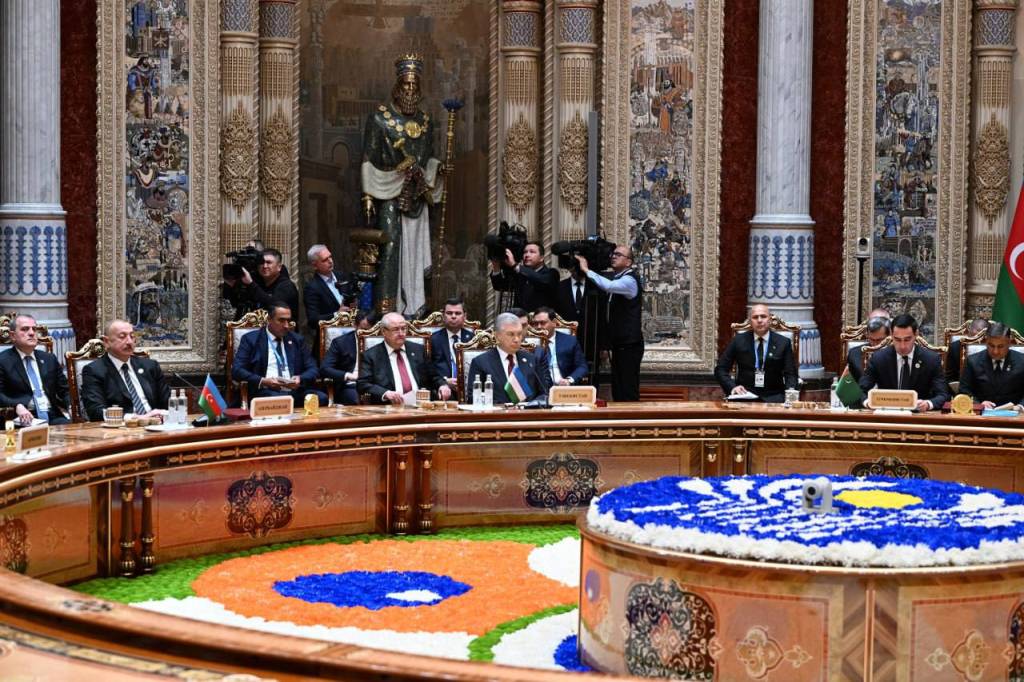
The summit, chaired by the President of the Republic of Tajikistan Emomali Rahmon, was attended by the President of the Republic of Azerbaijan Ilham Aliyev, the President of the Republic of Belarus Alexander Lukashenko, the President of the Republic of Kazakhstan Kassym-Jomart Tokayev, the President of the Kyrgyz Republic Sadyr Japarov, the President of the Russian Federation Vladimir Putin, the President of Turkmenistan Serdar Berdimuhamedov, the Prime Minister of Armenia Nikol Pashinyan, and CIS Secretary-General Sergey Lebedev.
The agenda focused on pressing issues related to strengthening and expanding practical cooperation within the Commonwealth.
At the beginning of his address, the President of Uzbekistan noted that despite the unpredictable developments in global politics and the economy, as well as the declining role of international institutions, the CIS continues to demonstrate resilience, efficiency, and relevance.
Thanks to mechanisms and partnerships established over decades, the Commonwealth maintains close cooperation across a wide range of economic, social, and humanitarian areas.
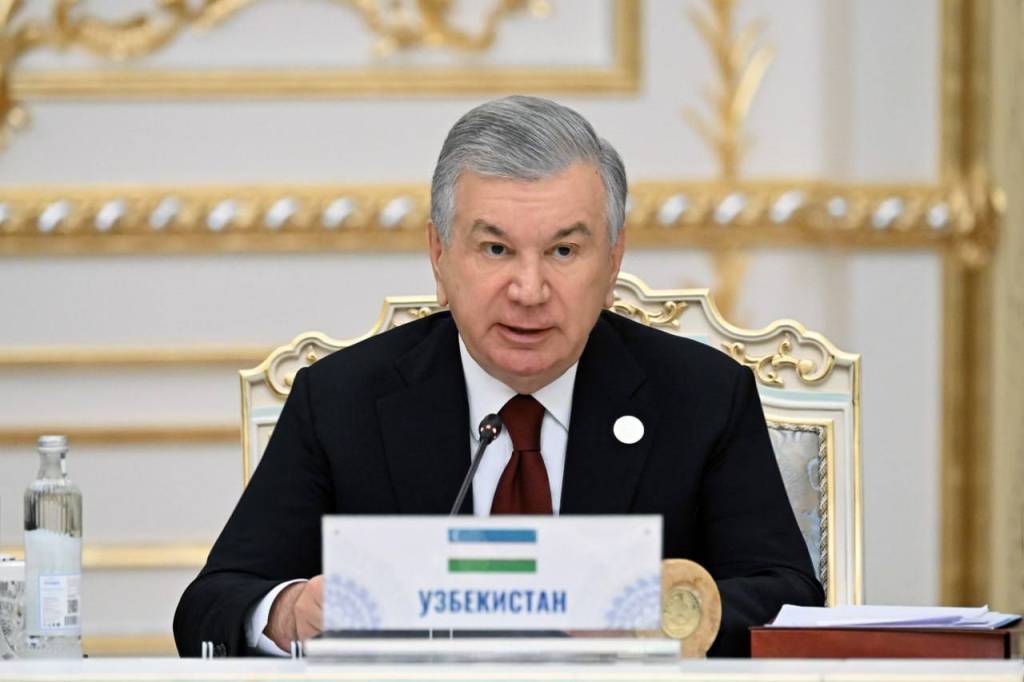
“We are interested in further strengthening cooperation within the CIS and enhancing the effectiveness of practical interaction with countries that are our natural partners”, the President of Uzbekistan said.
The Head of State then put forward several proposals and initiatives aimed at expanding practical cooperation within the Commonwealth of Independent States.
The unconditional priority of the Organization was defined as the expansion of economic partnership, given the deteriorating situation in the global economy, the rise of protectionism, and emerging challenges to sustainable development.
It was noted with satisfaction that Uzbekistan’s trade turnover with CIS partners increased by 11 percent last year and continues to grow this year. Such results are attributed to the deepening of intersectoral cooperation and the growth of mutual investment flows.
To make fuller use of existing resources and maintain the achieved pace and dynamics of cooperation, the President of Uzbekistan proposed focusing joint efforts on the following priority areas.
First, the further creation of favorable conditions for expanding trade turnover.
The need to simplify procedures and requirements for the supply of certain goods, particularly agricultural products, and for access to national markets, including public procurement, was emphasized.
Attention was also drawn to the importance of launching rapid-response mechanisms within the CIS Economic Council to adapt to changes in external market conditions and redirect trade flows. The President underscored the need to accelerate the coordination of draft agreements on technical barriers to trade and mutual recognition of conformity assessment documents.
Second, the deepening of cooperation in the field of transport was identified as a key priority.
It was noted that bottlenecks persist in the CIS transport network, reducing the efficiency of existing corridors. In this regard, the establishment of information and logistics centers integrated across all modes of transport was deemed essential.
Considering the importance of attracting private investment for the modernization of freight transport infrastructure, the President proposed to hold a conference in Uzbekistan on expanding public–private partnership in the transport sector.
Third, stimulating mutual investment growth and supporting cooperation projects.
In this regard, it was proposed to develop a roadmap for supporting the development of special economic and industrial zones, as well as establishing a CIS Venture Platform to deepen cooperation and promote innovative startups with private sector participation. It was also suggested to hold an Innovation Industry Forum in Tashkent next year as part of the INNOPROM exhibition.
Fourth, enhancing energy cooperation.
The President of Uzbekistan noted that several major strategic projects are currently being implemented jointly with CIS partners in the field of traditional and alternative energy, including the construction of a nuclear power plant.
He called for the development and implementation of a long-term Program for the Innovative Development of the Energy Sector across CIS countries.
Fifth, cooperation in the field of digitalization.
The President of Uzbekistan noted that the International Forum “Development of Artificial Intelligence Technologies in the CIS”, held in Samarkand this August, demonstrated the growing mutual interest and potential for cooperation among member states. In this regard, he proposed developing a multilateral Action Plan to deepen practical cooperation in this field.
The Head of State also emphasized the importance of expanding joint projects and programs in the fields of science, education, culture, and the arts.
“Considering the dynamic development of the education sector and labor markets in our countries, we propose drafting a new Interstate Agreement on the Mutual Recognition of Diplomas, Qualifications, and Academic Programs, as well as introducing a Mechanism for the Harmonization of Professional Standards and Qualification Requirements”, the President said.
Uzbekistan also expressed its readiness to host the CIS Youth Forum in Khiva next year, with the agenda to include the establishment of a Youth Innovation Lab aimed at fostering an innovative ecosystem and supporting the creative and intellectual potential of the younger generation.
Addressing issues of regional security, the President of Uzbekistan emphasized the importance of maintaining systematic and close contacts between the foreign ministries and special services. The situation in Afghanistan requires particular attention.
“Uzbekistan remains firmly committed to ensuring long-term peace, stability, and sustainable development in Afghanistan. In this regard, we propose exploring opportunities for joint participation in major investment and infrastructure projects in this country”, the President stated.
In conclusion, Shavkat Mirziyoyev expressed his support for the reappointment of Sergey Lebedev as Secretary-General of the CIS and extended best wishes to the President of Turkmenistan Serdar Berdimuhamedov on assuming the chairmanship of the Organization.
During the meeting, heads of delegations from other CIS member states also delivered their remarks.
The summit concluded with the signing of a package of agreements and decisions aimed at strengthening cooperation across the priority areas within the Commonwealth of Independent States.
UzA



 Iman
Iman  Prayer
  Fasting
  Zakat
Zakat  Haj
Haj  Qur`an
  Lessons of Islam
  Contact