Saudi Arabia Prohibits Tobacco Sales Near Holy Sites, Mosques and Schools
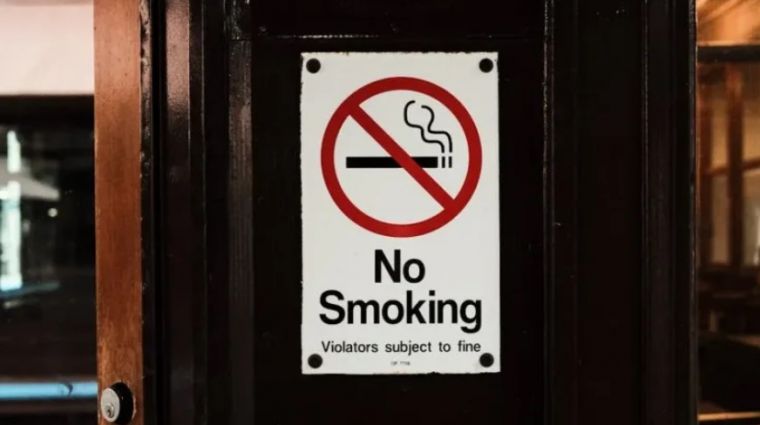
Saudi Arabia has implemented a ban on tobacco shops operating within 500 meters of mosques and schools, according to new guidelines from the Ministry of Municipalities and Housing.
The measures aim to safeguard public health, ensure legal compliance, and maintain orderly business environments in urban areas.
The regulations affect all stores selling tobacco products, including cigarettes, shisha, and e-cigarettes. Shop owners must possess valid commercial registration, Civil Defense approval, and full compliance with municipal licensing laws.
Stores must occupy at least 36 square meters within commercial buildings, with additional local municipality conditions possible.
Exterior signage cannot display logos or promotional materials - only the store name. Operations require security cameras indoors and outdoors, adherence to hygiene standards, electronic payment options, and prohibited sidewalk use.
All tobacco products must meet Saudi Food and Drug Authority standards, feature clear warning labels, and be sold in sealed packages. Vending machines, price reductions, gifts, and product testing are forbidden.
Islamic Civilization Center in Uzbekistan Named Symbol of Third Renaissance
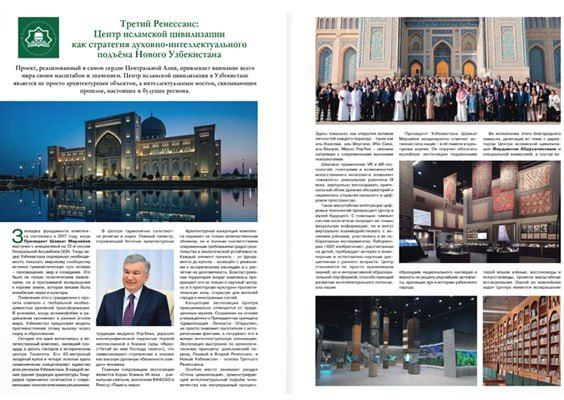
The autumn issue of Russia’s leading magazine “Tourism and Culture Industry” has published an extensive article on the activities of the Islamic Civilization Center in Tashkent, reports Dunyo IA.
The publication describes the 10-hectare complex, featuring a 65-meter azure dome and built on the initiative of President Shavkat Mirziyoyev, as a symbol of the era of the Third Renaissance. Its architecture combines Timurid traditions with modern technological solutions, while the centerpiece of the exhibition is the 7th-century Uthman Quran manuscript, included in UNESCO’s Memory of the World international register.
The magazine provides a detailed overview of the museum concept, “Civilization – Personalities – Discoveries,” which covers historical periods from the pre-Islamic era to New Uzbekistan.
The publication also highlights the center’s key innovations, including the interactive “Wall of Civilizations,” virtual and augmented reality technologies, artificial intelligence and the “1,001 Inventions” children’s laboratory.
Particular attention is given to the center’s international cooperation and research infrastructure. Through systematic cooperation with major international auction houses, private collectors and the World Society for the Study, Preservation and Popularization of the Cultural Heritage of Uzbekistan (WOSCU), more than 1,000 unique artefacts and manuscripts have been returned to Uzbekistan.
According to Tourism and Culture Industry, the project’s international recognition is reflected in the Islamic Civilization Center being included among the “World’s Most Beautiful Museums 2026” by the international Prix Versailles awards, as well as in coverage by prominent international publications including Smithsonian Magazine, BBC Travel and National Geographic.
