1,000 Riyal Fine Imposed for Feeding Pigeons near Masjid al Haram
13.10.2025
37807
1 min.
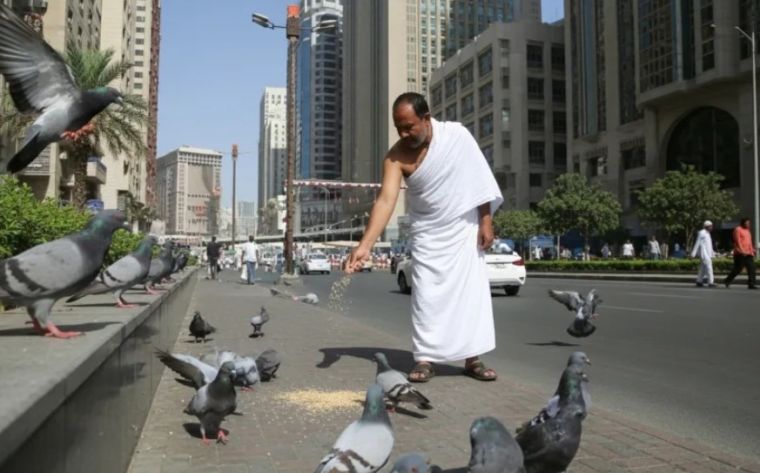
The Secretariat of the Holy Capital has implemented a strict ban on feeding pigeons in Mecca and Medina, with violators facing fines of 1,000 Saudi riyals.
The new regulation, announced to protect public health and maintain environmental cleanliness in Islam’s two holiest cities.
The secretariat has established continuous monitoring programs to enforce the ban and is encouraging citizens and visitors to participate in reporting violations.
Individuals can photograph offenders and submit evidence to local police, creating a community-based enforcement system.
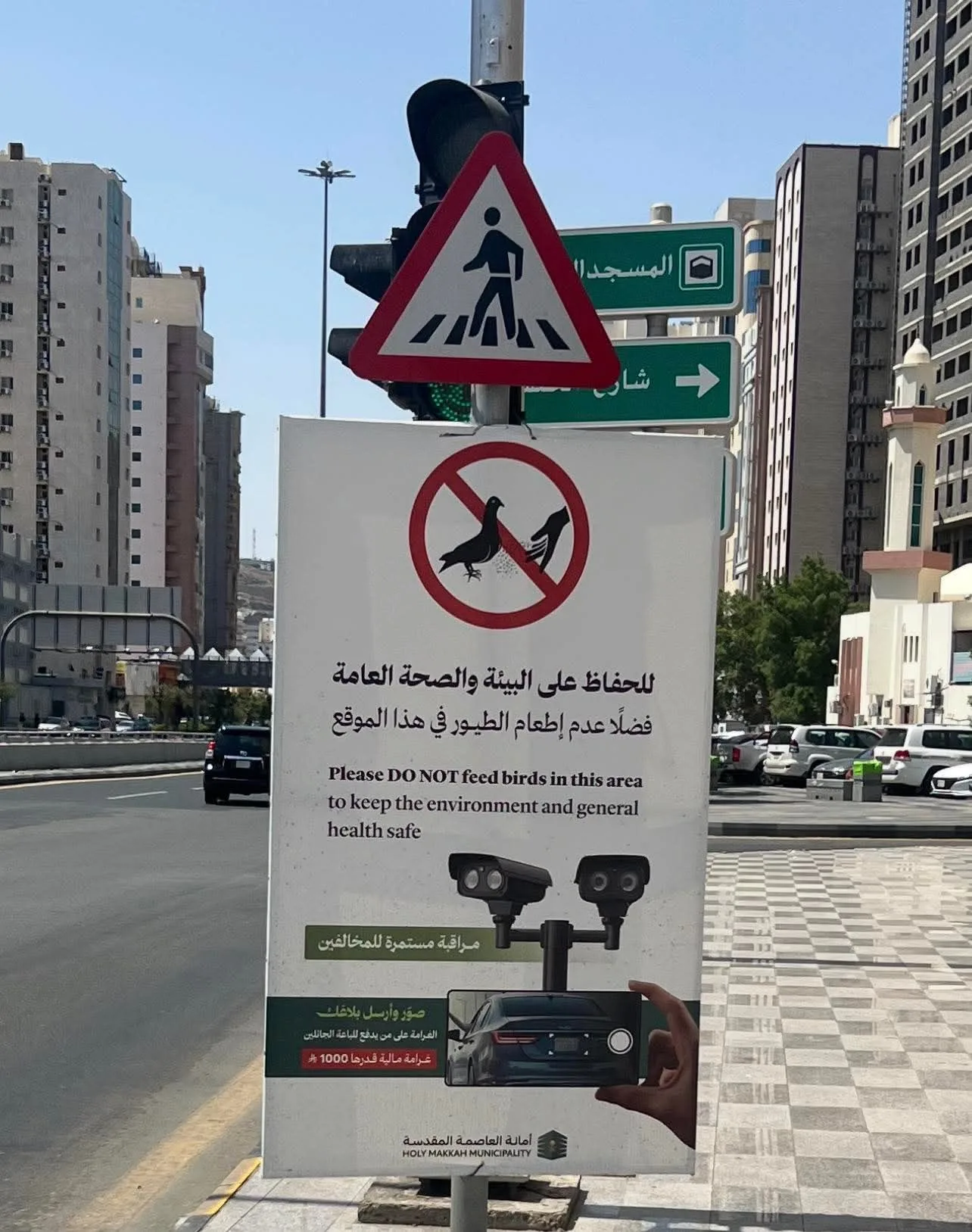
Officials cite concerns about disease transmission, property damage, and environmental pollution as primary reasons for the prohibition.
The initiative represents the latest in a series of measures to enhance urban quality and public health standards in the holy cities, which host millions of pilgrims annually.
Previous regulations have addressed street vending, waste management, and public behavior to preserve the sanctity and cleanliness of the religious sites.
Municipal officials emphasized that the ban particularly targets areas around the Grand Mosque and Prophet’s Mosque, where large pigeon populations have historically gathered due to public feeding.
SHARE INFORMATION ON SOCIAL NETWORKS



 Iman
Iman  Prayer
  Fasting
  Zakat
Zakat  Haj
Haj  Qur`an
  Lessons of Islam
  Contact