1,000 Riyal Fine Imposed for Feeding Pigeons near Masjid al Haram
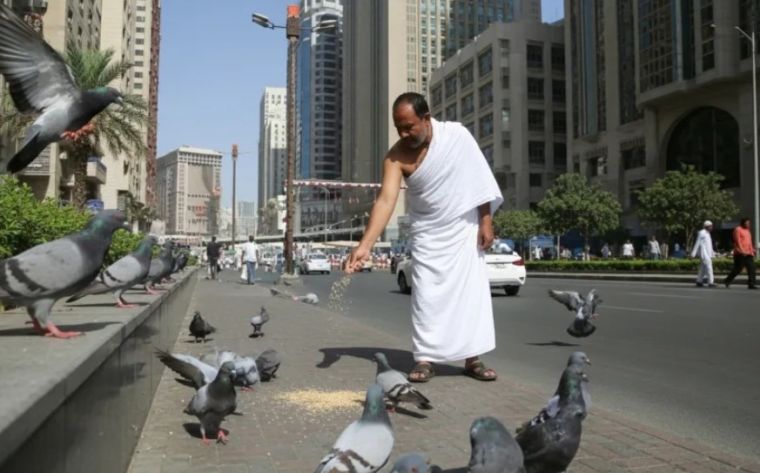
The Secretariat of the Holy Capital has implemented a strict ban on feeding pigeons in Mecca and Medina, with violators facing fines of 1,000 Saudi riyals.
The new regulation, announced to protect public health and maintain environmental cleanliness in Islam’s two holiest cities.
The secretariat has established continuous monitoring programs to enforce the ban and is encouraging citizens and visitors to participate in reporting violations.
Individuals can photograph offenders and submit evidence to local police, creating a community-based enforcement system.
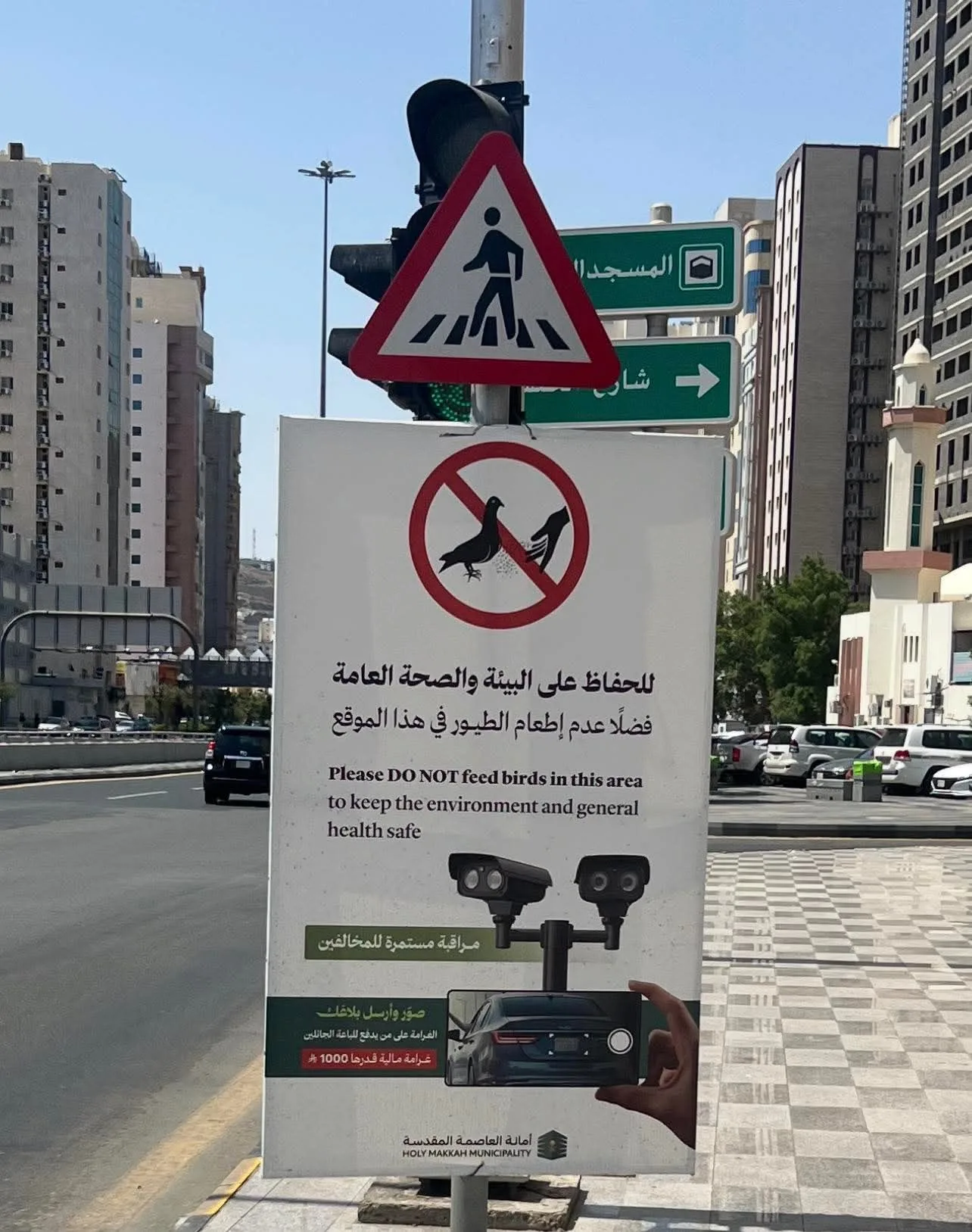
Officials cite concerns about disease transmission, property damage, and environmental pollution as primary reasons for the prohibition.
The initiative represents the latest in a series of measures to enhance urban quality and public health standards in the holy cities, which host millions of pilgrims annually.
Previous regulations have addressed street vending, waste management, and public behavior to preserve the sanctity and cleanliness of the religious sites.
Municipal officials emphasized that the ban particularly targets areas around the Grand Mosque and Prophet’s Mosque, where large pigeon populations have historically gathered due to public feeding.
Uzbekistan showcases pilgrimage tourism potential at international exhibition in Istanbul

Uzbekistan’s national pavilion at the international “Umra Plus and Pilgrimage Tourism” exhibition in Istanbul highlighted the country's pilgrimage tourism potential, rich historical and cultural heritage, and growing opportunities in the tourism sector, reports Dunyo IA.
The exhibition was held at the Lütfi Kırdar International Convention and Exhibition Center, bringing together more than 400 international participants and around 1,500 representatives of Türkiye's tourism industry, including hotel chains, airlines, catering and ground service providers, as well as tour operators.
The Uzbekistan national pavilion, organized at the initiative of the Association of Umrah Tourism Organizations, showcased the country's key pilgrimage destinations, sacred sites, rich historical legacy, and modern tourism infrastructure.
Visitors received comprehensive information on the tourism potential of Samarkand, Bukhara, Khiva, Shakhrisabz, Termez, Kokand, and Tashkent, as well as UNESCO World Heritage sites, renowned Islamic shrines, and the facilities and services created to ensure a comfortable experience for pilgrims.
The exhibition also featured presentations highlighting Uzbekistan's national traditions, handicrafts, cuisine, culture of hospitality, and ongoing reforms in the tourism sector.
In addition, a series of bilateral B2B meetings was held with tour operators, airlines, hotel industry representatives, and pilgrimage tourism stakeholders from Türkiye, the Middle East, and other countries. The discussions focused on increasing the flow of pilgrims to Uzbekistan, developing joint travel packages, and expanding bilateral cooperation.
The event was attended by representatives of the General Directorate of Hajj and Umrah under the Presidency of Religious Affairs of Türkiye (Diyanet), leaders of industry associations, and international tourism professionals.
The exhibition concluded with an award ceremony. It was noted that Uzbekistan's participation marked another important step toward strengthening the country's position as one of Central Asia's leading pilgrimage tourism destinations.
