1,000 Riyal Fine Imposed for Feeding Pigeons near Masjid al Haram
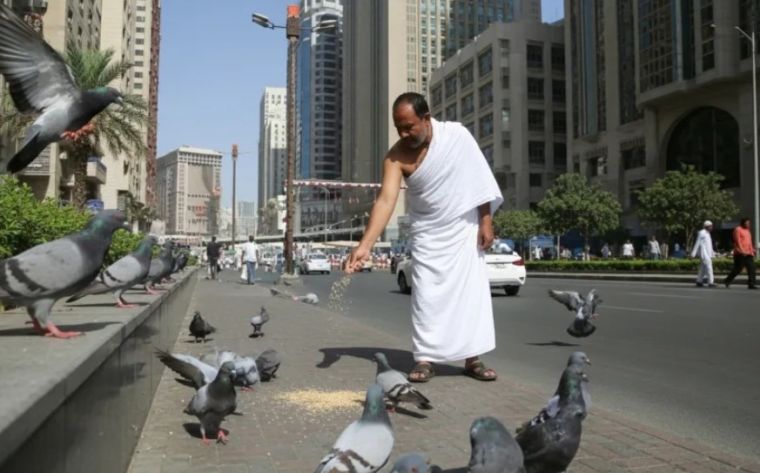
The Secretariat of the Holy Capital has implemented a strict ban on feeding pigeons in Mecca and Medina, with violators facing fines of 1,000 Saudi riyals.
The new regulation, announced to protect public health and maintain environmental cleanliness in Islam’s two holiest cities.
The secretariat has established continuous monitoring programs to enforce the ban and is encouraging citizens and visitors to participate in reporting violations.
Individuals can photograph offenders and submit evidence to local police, creating a community-based enforcement system.
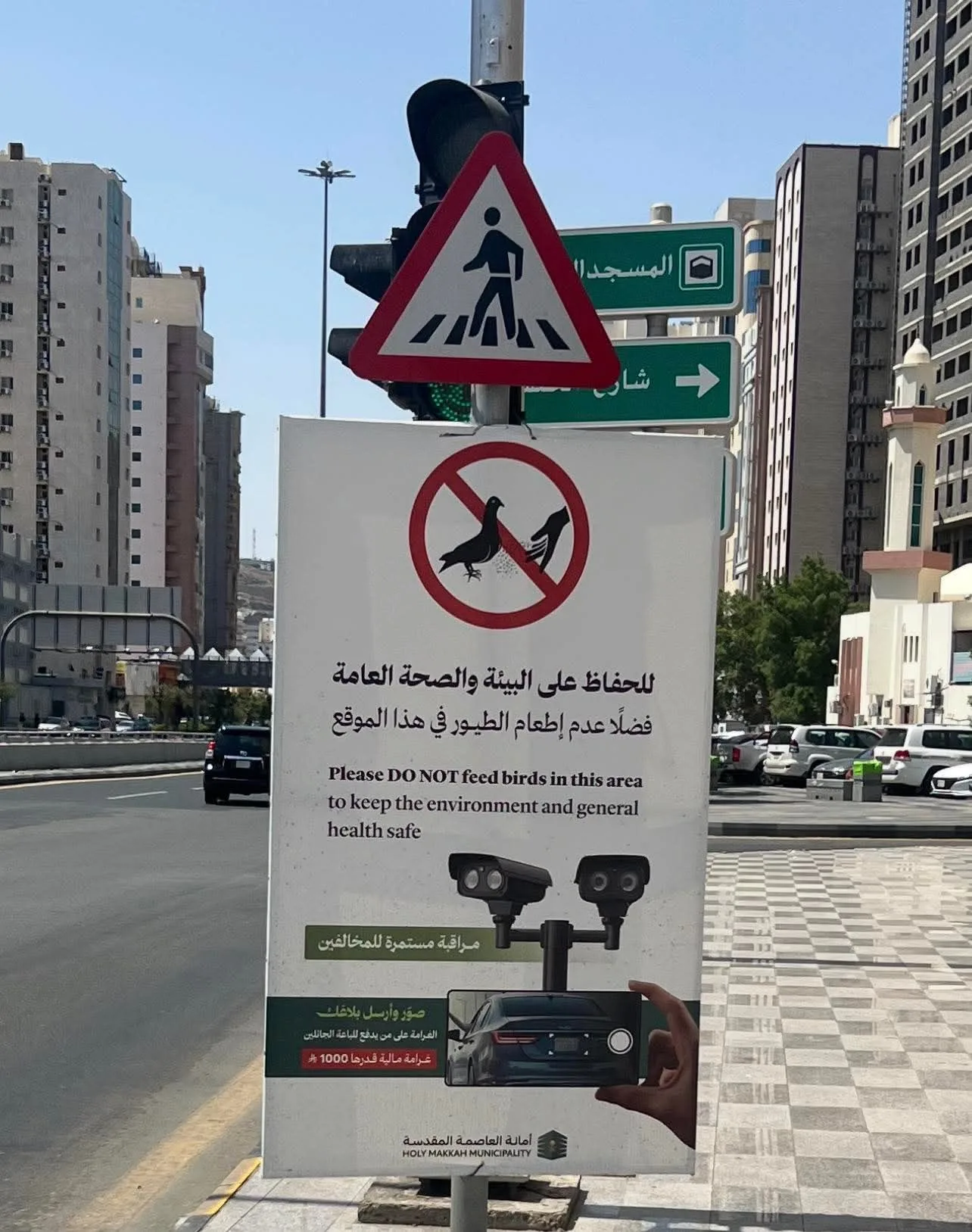
Officials cite concerns about disease transmission, property damage, and environmental pollution as primary reasons for the prohibition.
The initiative represents the latest in a series of measures to enhance urban quality and public health standards in the holy cities, which host millions of pilgrims annually.
Previous regulations have addressed street vending, waste management, and public behavior to preserve the sanctity and cleanliness of the religious sites.
Municipal officials emphasized that the ban particularly targets areas around the Grand Mosque and Prophet’s Mosque, where large pigeon populations have historically gathered due to public feeding.
Şeyda Sağlam: Samarkand reflects grandeur, while Bukhara speaks to the human spirit
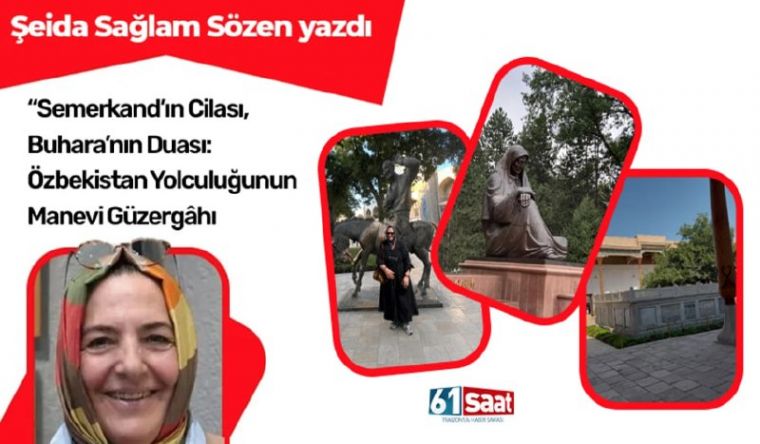
Turkish art historian and researcher Şeyda Sağlam published an article on the popular website “61 Saat” about the potential of Uzbekistan in the sphere of pilgrimage tourism, in which she shared her impressions of a trip through the historical cities of the country, reports Dunyo IA.
In the article “The Polish of Samarkand, The Prayer of Bukhara: The Spiritual Route of the Journey to Uzbekistan”, author noted that the journey through Tashkent, Samarkand, Bukhara and Khiva became for her not just a visit to cities, but an acquaintance with the historical and spiritual centers of the region.
According to the researcher, Samarkand impresses with its architectural heritage, Registan Square, Amir Temur Mausoleum, Bibi-Khanym Mosque, Shah-i-Zinda complex and the heritage of the scholar Imam Maturidi. She emphasized that the city reflects the grandeur of ancient civilizations and the role of science in the history of Central Asia.
Şeyda Sağlam paid special attention to Bukhara, noting its spiritual atmosphere and significance as one of the centers of Islamic culture. Among the places that made an impression on her, she named the Kalyan Minaret, the Ismail Samani Mausoleum, the Bahauddin Naqshband complex and the Ark Citadel.
“Samarkand is a city of outward grandeur, while Bukhara speaks to the human spirit”, the researcher noted.
Article became another publication in the Turkish media aimed at promoting the tourism potential of Uzbekistan, in particular, its opportunities in the sphere of cultural and pilgrimage tourism.
