News
Diplomats and Muslim Board Representatives of Uzbekistan Meet Students in Malaysia
28.09.2026
56105
2 min.
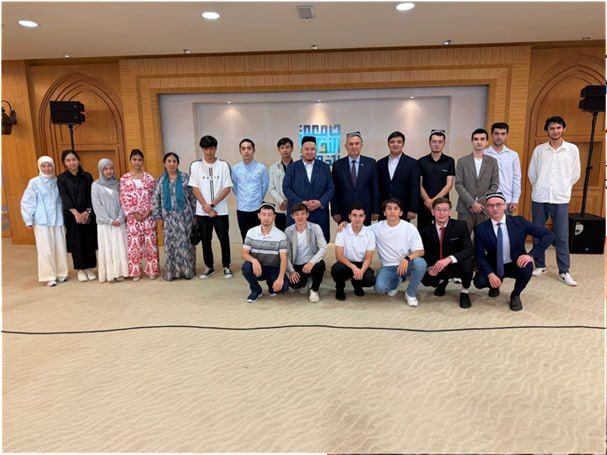
The Embassy of Uzbekistan, together with the Muslim Board of Uzbekistan, held a meeting with Uzbek students at Albukhary International University in Malaysia’s Kedah state, reports Dunyo IA correspondent.
The event was attended by university officials and Uzbek citizens studying various disciplines on full scholarships.
The meeting focused on bringing together young Uzbeks living abroad, strengthening their sense of patriotism and familiarizing them with major reforms being carried out in Uzbekistan.
Ambassador Karomiddin Gadoyev congratulated the students on the 35th anniversary of Uzbekistan’s state independence and briefed them on key points of the President’s address delivered at a ceremony marking the occasion.
Particular attention was given to national youth policy priorities, ongoing initiatives and the role of government institutions in supporting young people.
Participants were also briefed on the embassy’s work with the Uzbek community in Malaysia. The diplomatic mission identified bringing together the younger diaspora, addressing its concerns and protecting the legitimate rights and interests of Uzbek citizens as key priorities.
Zayniddin domla Eshonkulov, Deputy Chairman of the Muslim Board of Uzbekistan and Chairman of the Waqf Public Charitable Foundation, delivered a presentation titled “Uzbekistan – A Country of Tolerance.”
He also outlined Uzbekistan’s state policy in the religious sphere and measures aimed at ensuring citizens’ freedom of conscience.
The meeting emphasized that creating conditions for the comprehensive development and education of young people, as well as protecting the legitimate rights and interests of Uzbek students abroad, remain among the priorities of state policy.
During an interactive discussion, participants considered measures to support Uzbek youth in Malaysia and plans to hold cultural and educational events involving young Uzbeks next year.
The students presented their ideas and proposals for further engagement with fellow citizens and expressed their readiness to actively contribute to Uzbekistan’s development and participate in the country’s public life.
SHARE INFORMATION ON SOCIAL NETWORKS



 Iman
Iman  Prayer
  Fasting
  Zakat
Zakat  Haj
Haj  Qur`an
  Lessons of Islam
  Contact