Uzbekistan and Afghanistan entrepreneurs’ meeting
14.10.2025
88947
1 min.
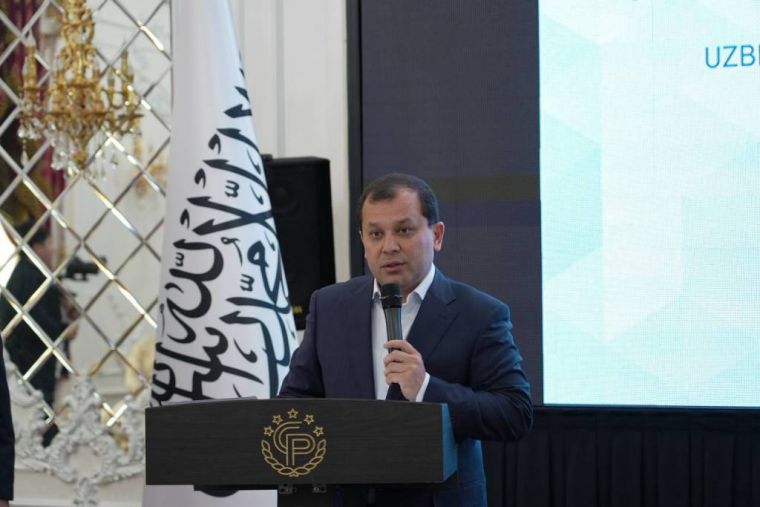
A business meeting of representatives of the private sector of Uzbekistan and Afghanistan took place in Tashkent on the initiative of the Chamber of Commerce and Industry of Uzbekistan.
Eighty entrepreneurs from Afghanistan and more than 200 representatives of companies from Uzbekistan attended the event.
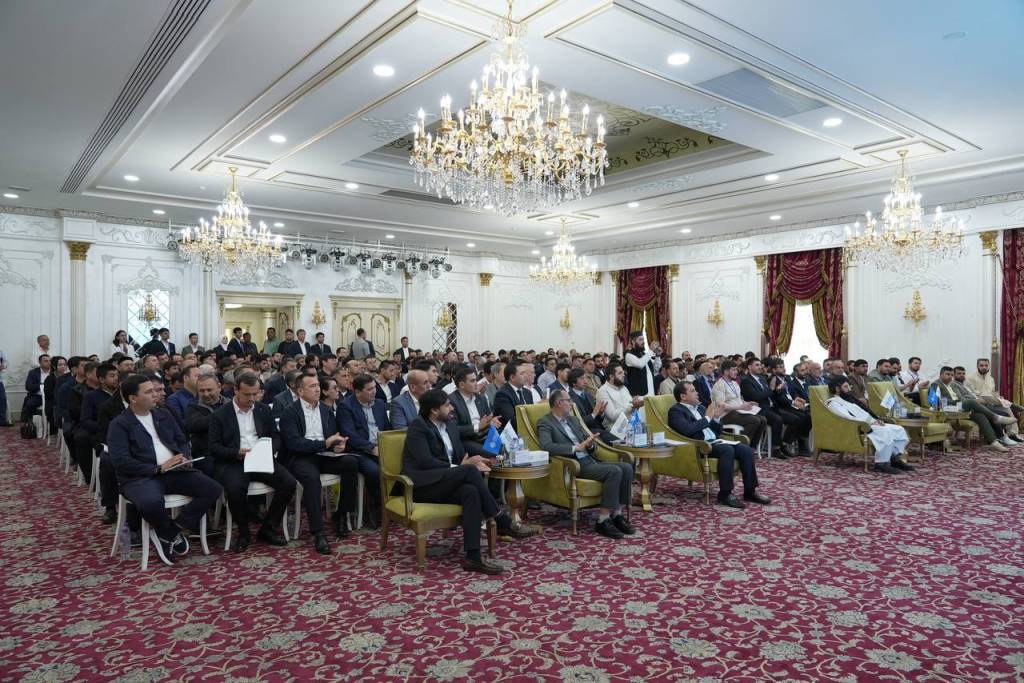
According to the Chamber of Commerce and Industry, the meeting was organized in seven areas, including the food industry, building materials, pharmaceuticals, textiles, logistics, and auto parts.
In 2025, over 120 Uzbekistan companies participated in events in Kabul and Mazar-i-Sharif, resulting in contracts worth $60 million. More than 45 agreements have been reached as a result of the business forum held in Kabul in August.
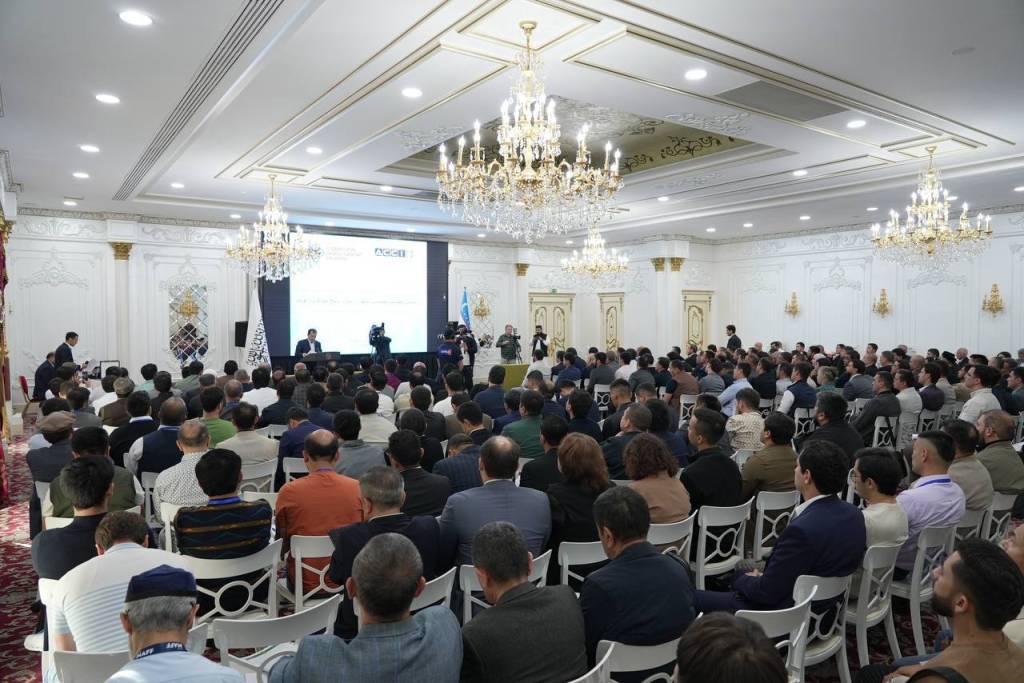
The event also included B2B negotiations. The parties considered several key issues, including expanding trade cooperation, implementing joint projects, discussing investment initiatives, and increasing export potential in the Afghan market.
The trading houses of Uzbekistan are operating in the Afghan market. In particular, a trading house in Kabul has a showroom and a warehouse, presents building materials and food products. The trading house in Mazar-i-Sharif specializes in pharmaceutical and electrical products.
B. Khudoyberdiyev, UzA
SHARE INFORMATION ON SOCIAL NETWORKS



 Iman
Iman  Prayer
  Fasting
  Zakat
Zakat  Haj
Haj  Qur`an
  Lessons of Islam
  Contact