Pakistan and Uzbekistan have great potential for developing mutual trade
14.10.2025
51226
3 min.
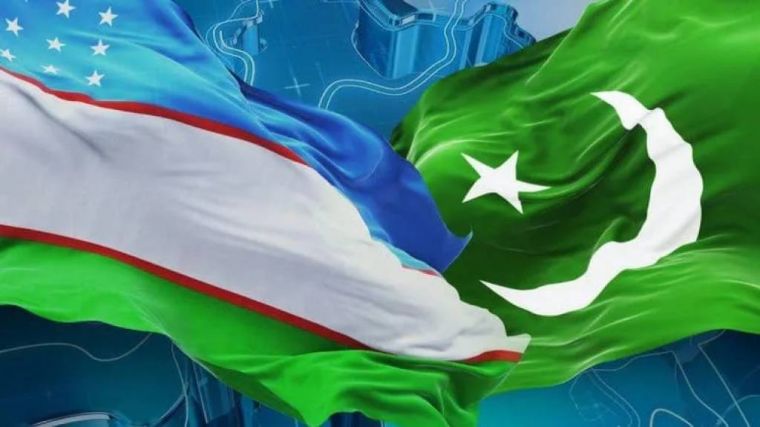
According to the Associated Press of Pakistan, Ambassador Extraordinary and Plenipotentiary of Uzbekistan to Pakistan Alisher Tukhtayev noted that there is great potential for increasing trade and investment between the two countries through the creation of joint ventures, in particular for the development of the textile industry.
During his visit to the All Pakistan Textile Mills Association (APTMA), Uzbekistan’s Ambassador invited representatives of the country’s textile companies to study the demand for high-quality products in Uzbekistan. He noted that Uzbekistan’s cheap energy and rich cotton reserves create attractive opportunities for Pakistani investors to develop trade and investment in the Uzbekistan market.
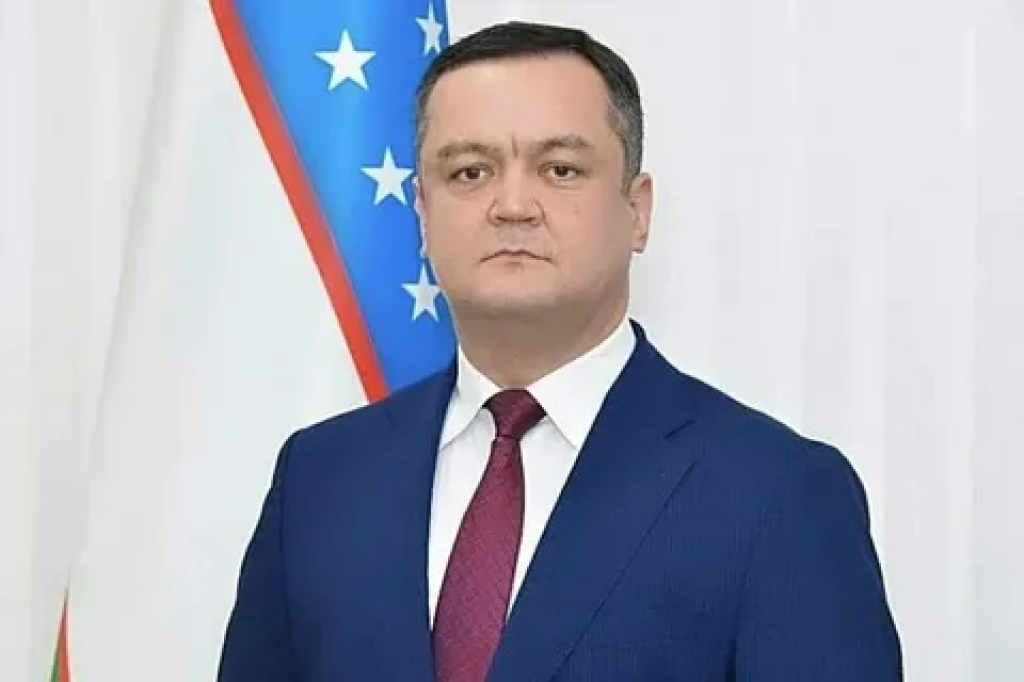
The Ambassador recalled that the two countries have signed several memoranda of understanding and agreements aimed at facilitating market access. Thanks to direct flights, the flight time was reduced by 90 minutes. Negotiations on a trilateral transit trade agreement involving Pakistan, Afghanistan, and Uzbekistan have entered a crucial phase. After reaching an agreement, trade flows will accelerate even more. Uzbekistan’s shopping malls have been opened in Karachi and Lahore. The next such center will be opened in Islamabad.
As A. Tukhtayev noted, Pakistan and Uzbekistan are “fraternal countries, not competitors”, so it is necessary to share resources, knowledge, and experience for mutual benefit. He invited the APTMA delegation to visit Uzbekistan, take part in exhibitions and conferences, and added that other trade delegations will visit this fraternal country in the coming months.
APTMA Chairman Kamran Arshad highlighted several existing problems in mutual trade, including the lack of official banking channels, delays in signing the free trade agreement, language barriers in labeling, issues with the Afghan transit route, and the slow construction pace of the Trans-Afghan Railway. He emphasized the importance of strengthening banking relations, concluding a free trade agreement as soon as possible, and establishing a regular exchange of trade delegations to realize the existing potential fully.
Another participant of the meeting, Asad Shafi, informed the delegation about the possibilities of Pakistan’s textile industry, noting that, despite centuries-old ties, the current volume of bilateral trade is only $125 million. He emphasized that his country aims to boost textile exports to $50 billion under the Sewing Revolution project and urged Uzbekistan to cooperate actively in this endeavor.
Muharrama Pirmatova, UzA
SHARE INFORMATION ON SOCIAL NETWORKS



 Iman
Iman  Prayer
  Fasting
  Zakat
Zakat  Haj
Haj  Qur`an
  Lessons of Islam
  Contact