Pakistan and Uzbekistan have great potential for developing mutual trade
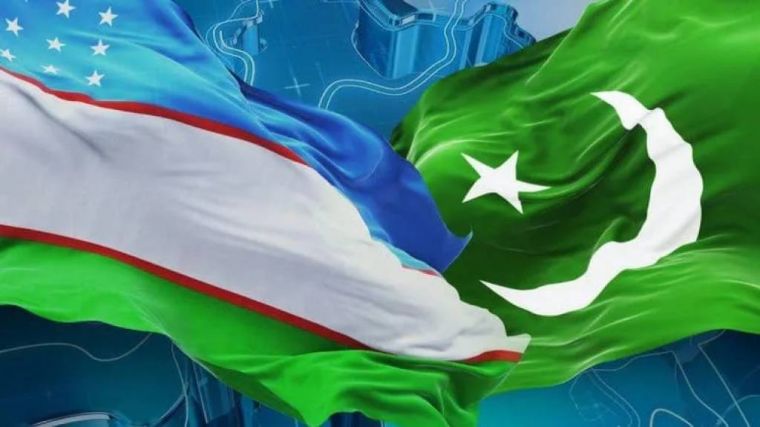
According to the Associated Press of Pakistan, Ambassador Extraordinary and Plenipotentiary of Uzbekistan to Pakistan Alisher Tukhtayev noted that there is great potential for increasing trade and investment between the two countries through the creation of joint ventures, in particular for the development of the textile industry.
During his visit to the All Pakistan Textile Mills Association (APTMA), Uzbekistan’s Ambassador invited representatives of the country’s textile companies to study the demand for high-quality products in Uzbekistan. He noted that Uzbekistan’s cheap energy and rich cotton reserves create attractive opportunities for Pakistani investors to develop trade and investment in the Uzbekistan market.
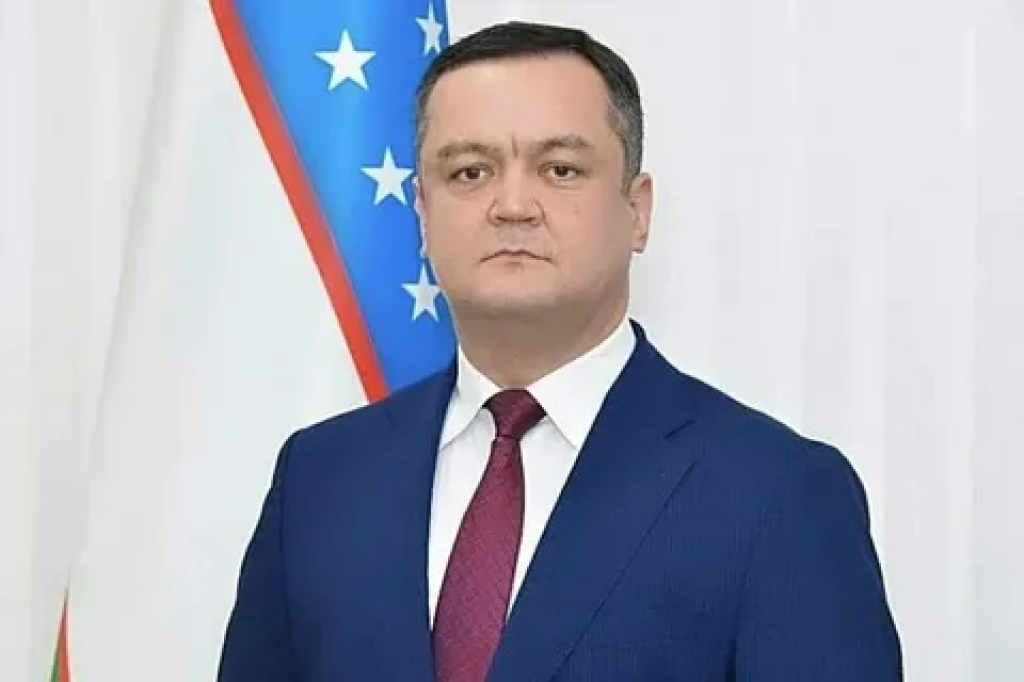
The Ambassador recalled that the two countries have signed several memoranda of understanding and agreements aimed at facilitating market access. Thanks to direct flights, the flight time was reduced by 90 minutes. Negotiations on a trilateral transit trade agreement involving Pakistan, Afghanistan, and Uzbekistan have entered a crucial phase. After reaching an agreement, trade flows will accelerate even more. Uzbekistan’s shopping malls have been opened in Karachi and Lahore. The next such center will be opened in Islamabad.
As A. Tukhtayev noted, Pakistan and Uzbekistan are “fraternal countries, not competitors”, so it is necessary to share resources, knowledge, and experience for mutual benefit. He invited the APTMA delegation to visit Uzbekistan, take part in exhibitions and conferences, and added that other trade delegations will visit this fraternal country in the coming months.
APTMA Chairman Kamran Arshad highlighted several existing problems in mutual trade, including the lack of official banking channels, delays in signing the free trade agreement, language barriers in labeling, issues with the Afghan transit route, and the slow construction pace of the Trans-Afghan Railway. He emphasized the importance of strengthening banking relations, concluding a free trade agreement as soon as possible, and establishing a regular exchange of trade delegations to realize the existing potential fully.
Another participant of the meeting, Asad Shafi, informed the delegation about the possibilities of Pakistan’s textile industry, noting that, despite centuries-old ties, the current volume of bilateral trade is only $125 million. He emphasized that his country aims to boost textile exports to $50 billion under the Sewing Revolution project and urged Uzbekistan to cooperate actively in this endeavor.
Muharrama Pirmatova, UzA
“Al Jazeera”: Uzbekistan holds a distinguished place in the formation and development of Islamic Civilization

An article entitled “4 Eras and 10 Figures Tell the History of Islam in Uzbekistan” has been published on the website of Qatar-based television network “Al Jazeera”, reports Dunyo IA.
Article was authored by “Al Jazeera” media network journalist Muhammad Ammari, who took part in the international media forum recently held in Tashkent and Samarkand.
Article highlights the Center for Islamic Civilization in Uzbekistan and the museum located within the center. It provides an in-depth account of the formation and development of Islamic civilization in the territory of Uzbekistan through historical monuments, manuscripts, archaeological finds and the scientific legacy of outstanding thinkers.
Article notes that the museum houses around 8,000 historical artefacts and exhibits, through which the contribution of the peoples of Mawarannahr to the development of science and culture from ancient times is showcased.
Particular attention in the article is given to the fact that the museum’s exhibitions cover four major historical periods. These include the pre-Islamic era, the period of the First Renaissance in Mawarannahr, Temurid era, as well as a separate hall displaying valuable Quran manuscripts that constitute an important part of the heritage of Islamic civilization.
A significant part of the article is devoted to outstanding scholars and thinkers who left a profound mark on the history of Uzbekistan and Central Asia. The article highlights the contributions of Muhammad al-Khwarizmi, Ahmad al-Farghani, Imam al-Bukhari, Imam al-Tirmidhi, Abu Ali ibn Sina, Abu Rayhan al-Biruni, Abu Nasr al-Farabi, Mirza Ulugh Beg, Kamal al-Din Behzad, Amir Temur, and Zahiriddin Muhammad Babur to the development of science, religion, culture, art and governance.
Overall, the article seeks to demonstrate that the territory of present-day Uzbekistan has, since ancient times, been one of the major centers of Eastern civilization.
Article also emphasizes that historical exhibits at the museum are harmoniously integrated with modern technologies, including 3D reconstructions, interactive screens, and multimedia tools. This enables Uzbekistan’s rich historical, scientific and cultural heritage to be presented extensively to both local residents and international tourists.