The President of Uzbekistan discusses the implementation of priority projects with Saudi Arabia
15.10.2025
47380
2 min.

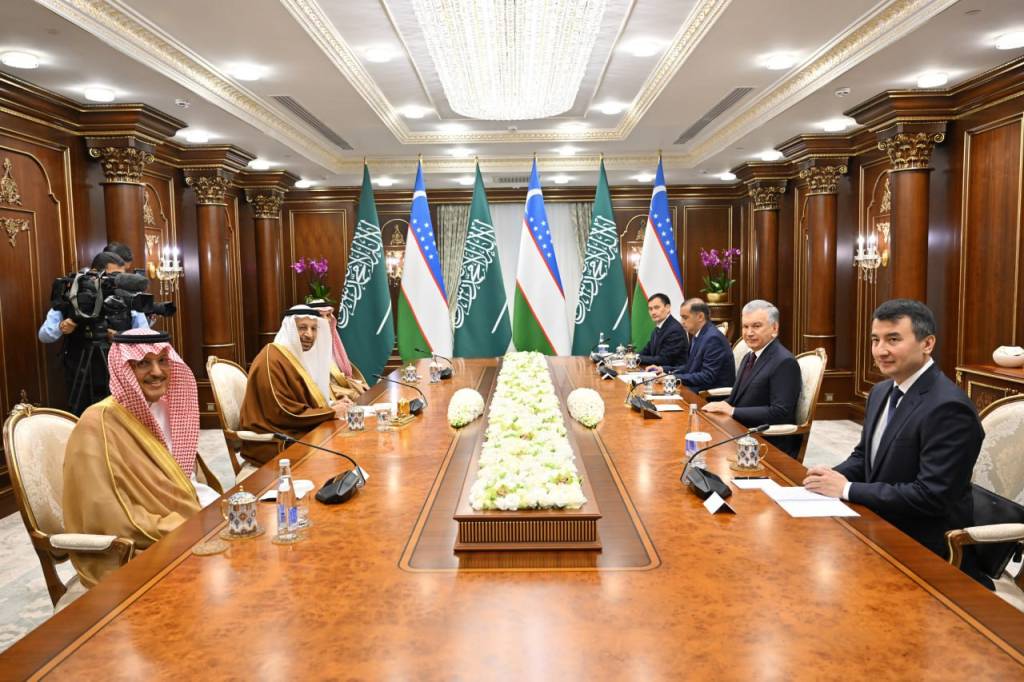
On October 15, the President of the Republic of Uzbekistan Shavkat Mirziyoyev received Khalid Al-Falih, Minister of Investment of the Kingdom of Saudi Arabia, who arrived in Uzbekistan at the head of a large delegation of leading business executives from Saudi Arabia.
The distinguished guest conveyed warm greetings and best wishes from King Salman bin Abdulaziz Al Saud and Crown Prince and Prime Minister Mohammed bin Salman Al Saud to the President of Uzbekistan.
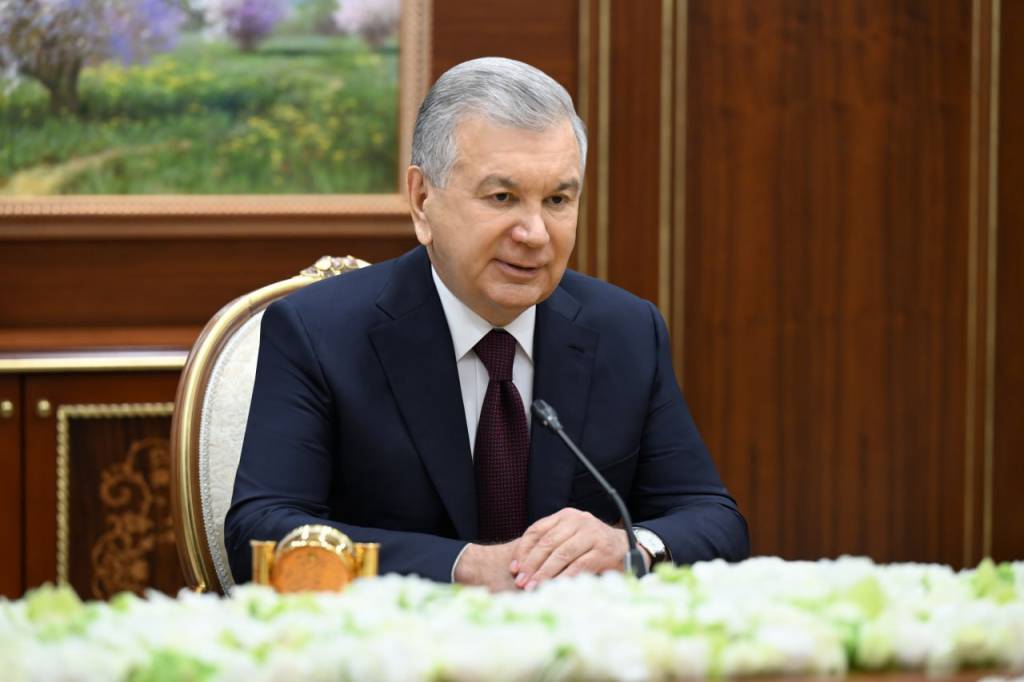
The talks focused on expanding multifaceted cooperation and strengthening a comprehensive partnership between Uzbekistan and Saudi Arabia, particularly in the practical implementation of high-level agreements.
The dynamic progress of mutually beneficial relations was noted with great satisfaction. Contacts at all levels have intensified, the volume of mutual trade and direct investment has continued to grow, and the number of joint ventures has increased. Air connectivity between the two countries has also been significantly expanded.
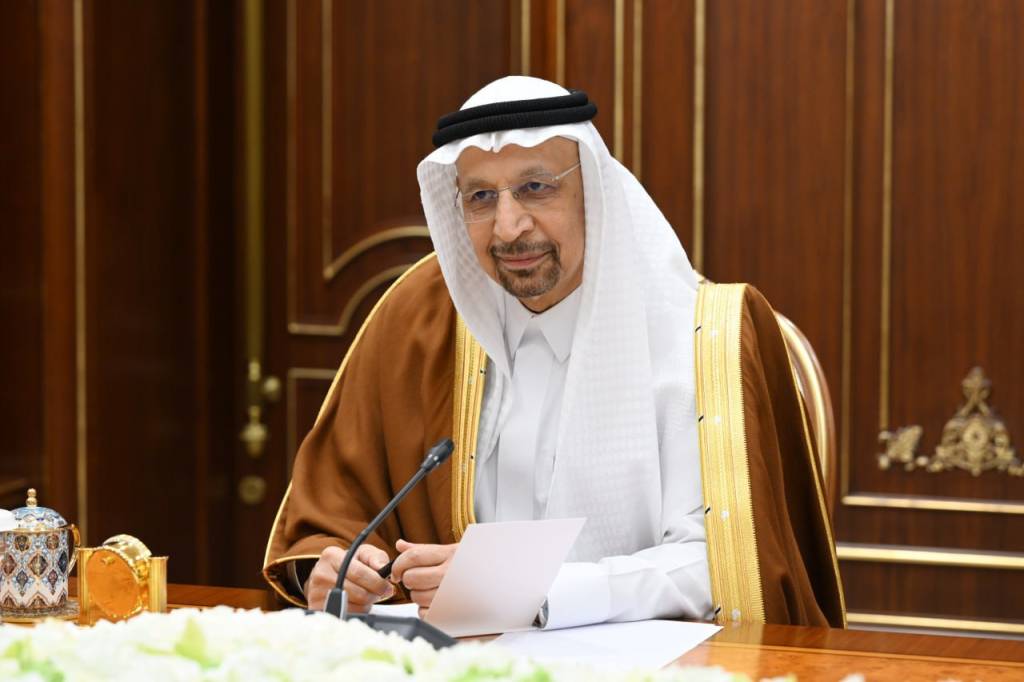
The portfolio of joint projects between Uzbekistan and Saudi Arabia has now reached $27 billion. Several large-scale energy projects totaling $15 billion are being implemented in cooperation with ACWA Power.
High appreciation was given to the productive outcomes of the recent meetings of the Intergovernmental Commission and the Business Council, held the previous day in Tashkent, during which new agreements and contracts were signed.
Particular attention was devoted to the timely implementation of projects and initiatives in the fields of green energy, agriculture, electrical engineering, real estate, and regional infrastructure modernization, as well as other priority areas of cooperation.
SHARE INFORMATION ON SOCIAL NETWORKS



 Iman
Iman  Prayer
  Fasting
  Zakat
Zakat  Haj
Haj  Qur`an
  Lessons of Islam
  Contact