First Place In Antarctica Where Salah Was Performed: Jinnah Antarctic Station
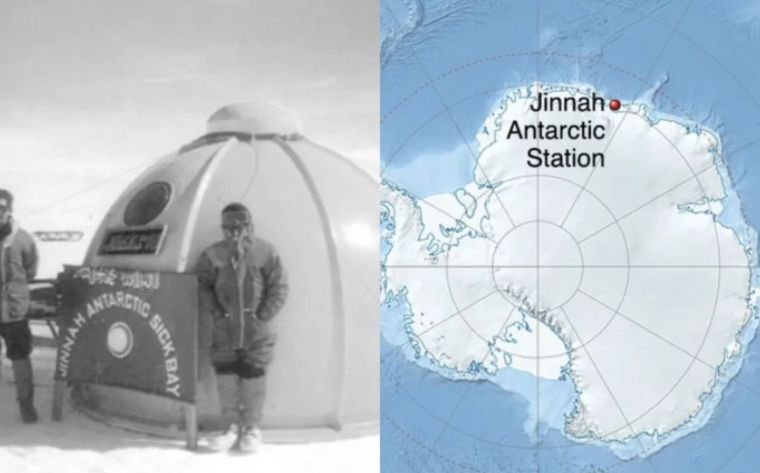
Jinnah Antarctic Research Station, operational since 1991, emerges as likely site of inaugural salah in Antarctica amid Pakistan’s polar scientific missions.
The Jinnah Antarctic Station, Pakistan’s permanent research facility established in 1991, is recognized as the first confirmed location where Islamic prayers (salah) were performed on the Antarctic continent.
Situated in the East Antarctic region, the station has served as a scientific and logistical base for decades.
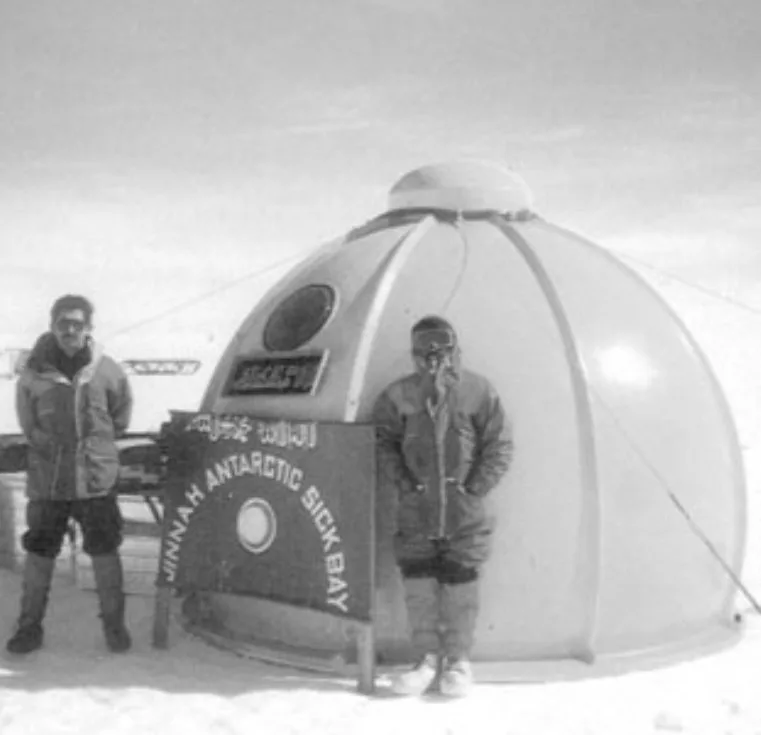
Operated by Pakistan’s National Institute of Oceanography, the station conducts year-round studies in glaciology, marine biology, and climate science.
Since its inauguration, Muslim members of winter-over teams have maintained prayer routines within designated spaces at the base, despite extreme cold, months-long darkness, and isolation.
While informal worship likely occurred earlier during transient expeditions, documented communal prayers began with the station’s continuous operation.
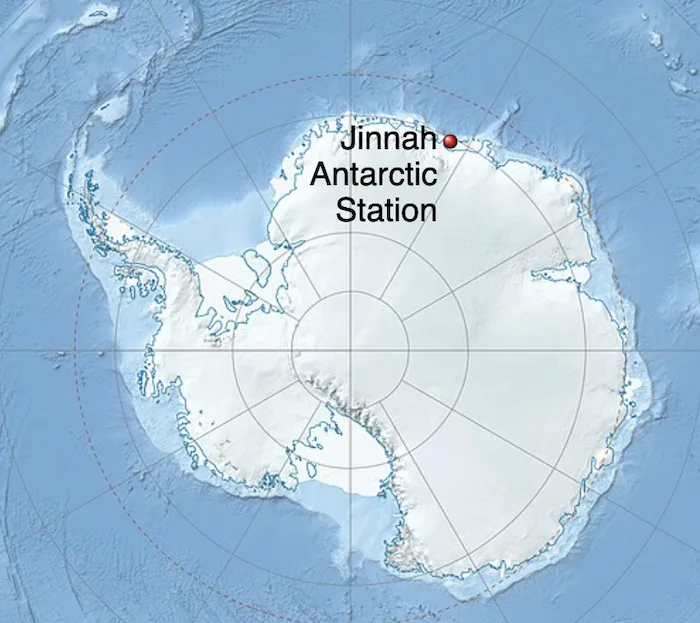
A small musallah (prayer area) was established inside the main living module, oriented toward Mecca using calculated qibla directions specific to the Antarctic region.
Antarctic Treaty protocols respect all forms of religious observance across research stations. The Government of Pakistan confirmed the station remains active today, with ongoing research and religious accommodation for personnel.
The station is named for Muhammad Ali Jinnah, founder of Pakistan.
Uzbekistan and Afghanistan entrepreneurs’ meeting
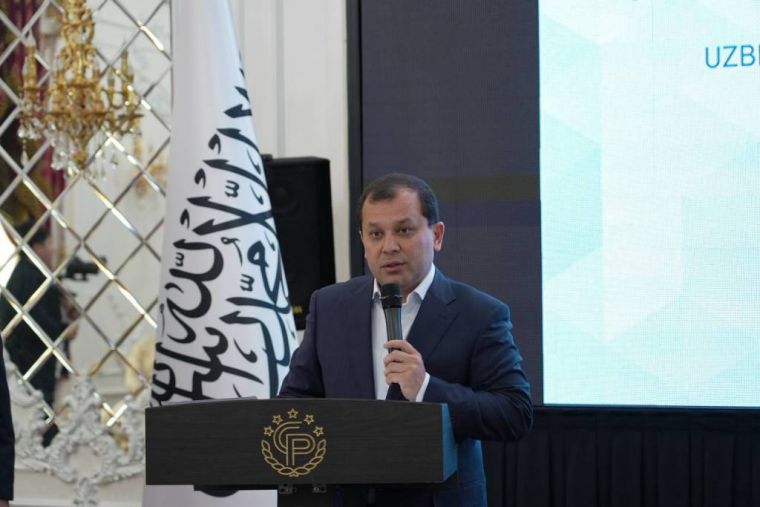
A business meeting of representatives of the private sector of Uzbekistan and Afghanistan took place in Tashkent on the initiative of the Chamber of Commerce and Industry of Uzbekistan.
Eighty entrepreneurs from Afghanistan and more than 200 representatives of companies from Uzbekistan attended the event.
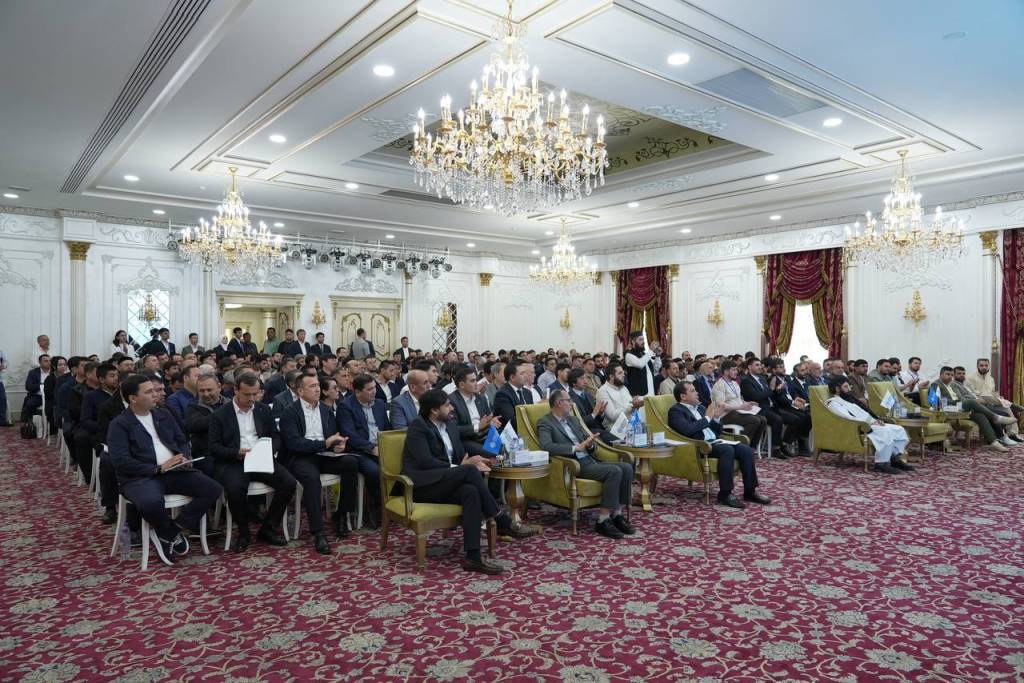
According to the Chamber of Commerce and Industry, the meeting was organized in seven areas, including the food industry, building materials, pharmaceuticals, textiles, logistics, and auto parts.
In 2025, over 120 Uzbekistan companies participated in events in Kabul and Mazar-i-Sharif, resulting in contracts worth $60 million. More than 45 agreements have been reached as a result of the business forum held in Kabul in August.
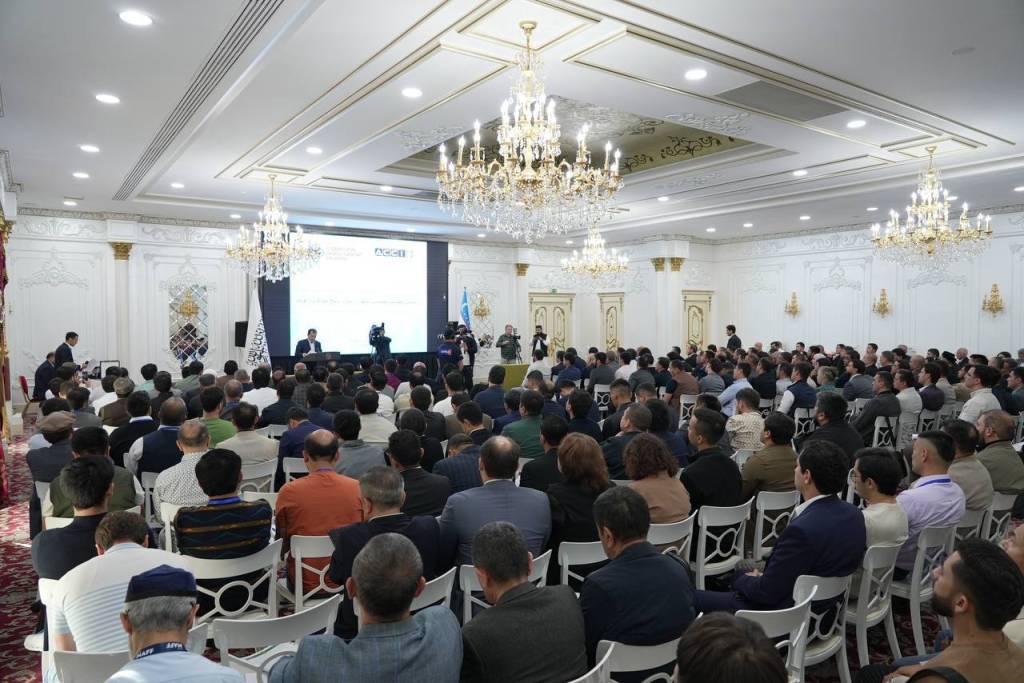
The event also included B2B negotiations. The parties considered several key issues, including expanding trade cooperation, implementing joint projects, discussing investment initiatives, and increasing export potential in the Afghan market.
The trading houses of Uzbekistan are operating in the Afghan market. In particular, a trading house in Kabul has a showroom and a warehouse, presents building materials and food products. The trading house in Mazar-i-Sharif specializes in pharmaceutical and electrical products.
B. Khudoyberdiyev, UzA