The site is working in test mode!
28 August, 2026   |   15 Rabī‘ al-awwal, 1448

Tashkent city
Fajr
04:21
Sunrise
05:45
Dhuhr
12:24
Asr
17:06
Maghrib
19:07
Isha
20:26
Bismillah
28 August, 2026, 15 Rabī‘ al-awwal, 1448

First Place In Antarctica Where Salah Was Performed: Jinnah Antarctic Station

16.10.2025   74682   1 min.
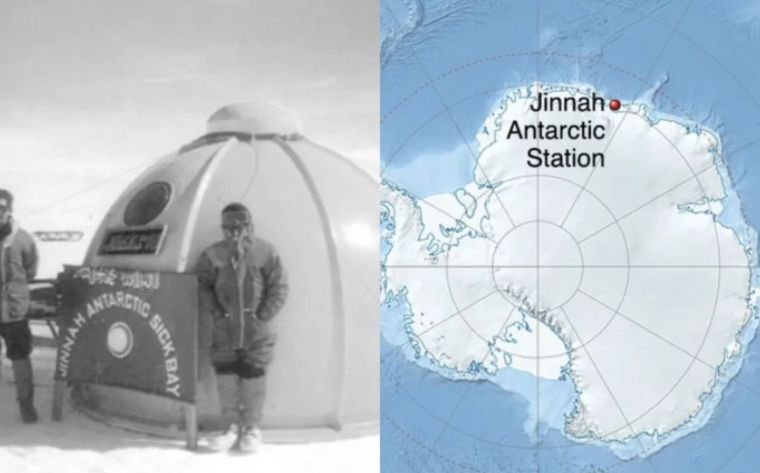
First Place In Antarctica Where Salah Was Performed: Jinnah Antarctic Station

Jinnah Antarctic Research Station, operational since 1991, emerges as likely site of inaugural salah in Antarctica amid Pakistan’s polar scientific missions.

The Jinnah Antarctic Station, Pakistan’s permanent research facility established in 1991, is recognized as the first confirmed location where Islamic prayers (salah) were performed on the Antarctic continent.

Situated in the East Antarctic region, the station has served as a scientific and logistical base for decades.
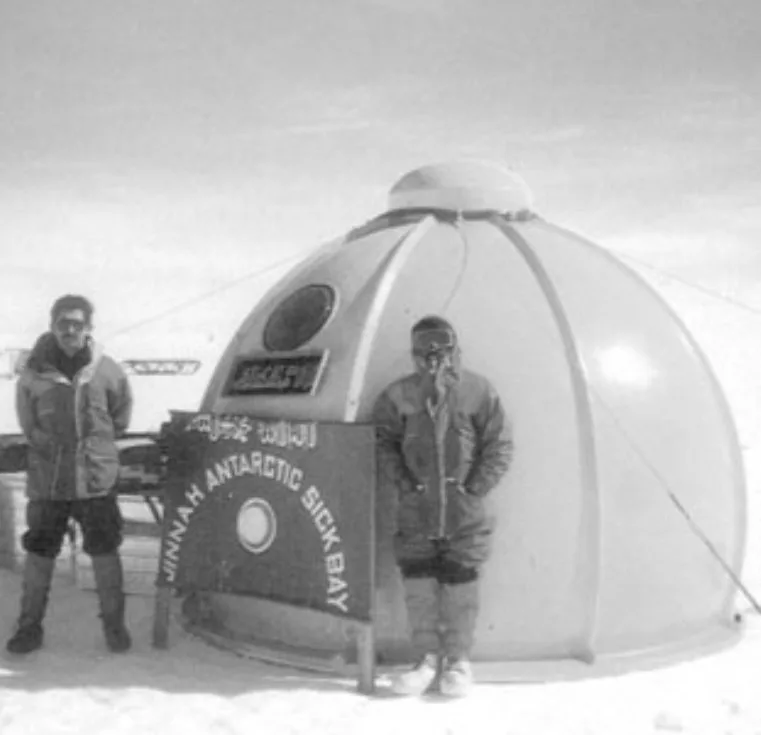
jinnah antarctic

Operated by Pakistan’s National Institute of Oceanography, the station conducts year-round studies in glaciology, marine biology, and climate science.

Since its inauguration, Muslim members of winter-over teams have maintained prayer routines within designated spaces at the base, despite extreme cold, months-long darkness, and isolation.

While informal worship likely occurred earlier during transient expeditions, documented communal prayers began with the station’s continuous operation.
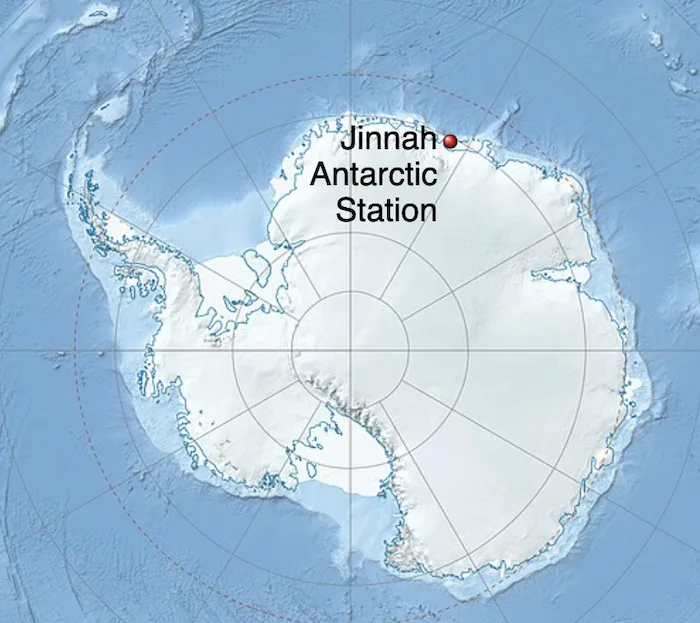
jinnah antarctic station unit

A small musallah (prayer area) was established inside the main living module, oriented toward Mecca using calculated qibla directions specific to the Antarctic region.

Antarctic Treaty protocols respect all forms of religious observance across research stations. The Government of Pakistan confirmed the station remains active today, with ongoing research and religious accommodation for personnel.

The station is named for Muhammad Ali Jinnah, founder of Pakistan.

Other posts

OIC Calls for Stronger Global Action to Prevent and Address Disasters

13.10.2025   103309   1 min.
OIC Calls for Stronger Global Action to Prevent and Address Disasters

On the International Day for Disaster Risk Reduction, observed annually on 13 October, the Organization of Islamic Cooperation (OIC) joins the international community in expressing solidarity with all victims of natural and human-made disasters around the world.
This year’s theme, “Fund Resilience, Not Disasters,” highlights the urgent need to invest in resilience-building and preventive measures rather than in post-disaster recovery.

The OIC underscores that disasters continue to impose heavy human and economic costs, severely affecting socio-economic development and posing existential threats to vulnerable communities across many of its Member States.

With several Member States frequently impacted by floods, epidemics, earthquakes, landslides, storms, and droughts, the OIC places high priority on disaster prevention and management, as emphasized in its Ten-Year Program of Action 2025.

Reaffirming its commitment, the OIC calls for stronger partnerships among Member States, international organizations, and local communities to develop effective strategies that enhance preparedness, reduce vulnerabilities, and improve recovery capacities.

“As disasters become more frequent and intense due to climate change and other global challenges, we must act collectively and decisively to build resilience and protect lives,” said H.E. Mr. Hissein Brahim Taha, Secretary-General of the OIC. “Investing in prevention today will save countless lives and resources tomorrow.”

The OIC also stresses the need to accelerate the implementation of the Sendai Framework for Disaster Risk Reduction, in line with national disaster management strategies and priorities.