First Place In Antarctica Where Salah Was Performed: Jinnah Antarctic Station
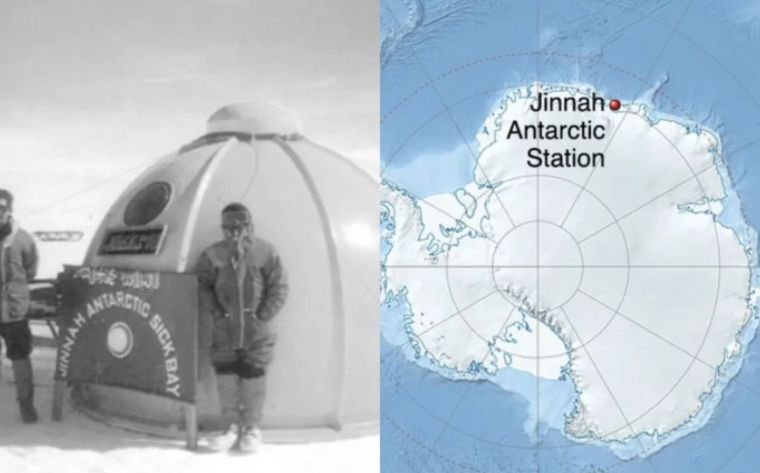
Jinnah Antarctic Research Station, operational since 1991, emerges as likely site of inaugural salah in Antarctica amid Pakistan’s polar scientific missions.
The Jinnah Antarctic Station, Pakistan’s permanent research facility established in 1991, is recognized as the first confirmed location where Islamic prayers (salah) were performed on the Antarctic continent.
Situated in the East Antarctic region, the station has served as a scientific and logistical base for decades.
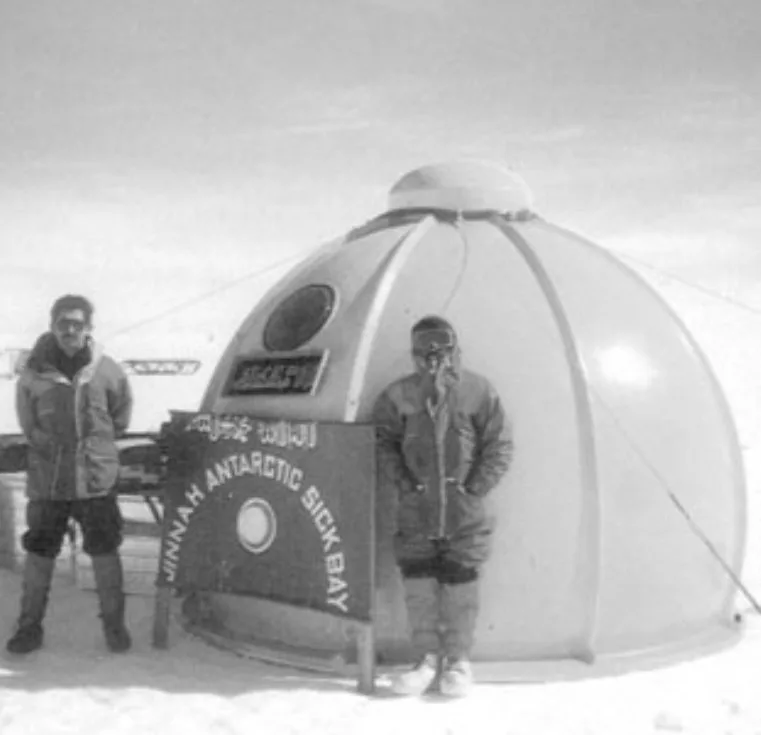
Operated by Pakistan’s National Institute of Oceanography, the station conducts year-round studies in glaciology, marine biology, and climate science.
Since its inauguration, Muslim members of winter-over teams have maintained prayer routines within designated spaces at the base, despite extreme cold, months-long darkness, and isolation.
While informal worship likely occurred earlier during transient expeditions, documented communal prayers began with the station’s continuous operation.
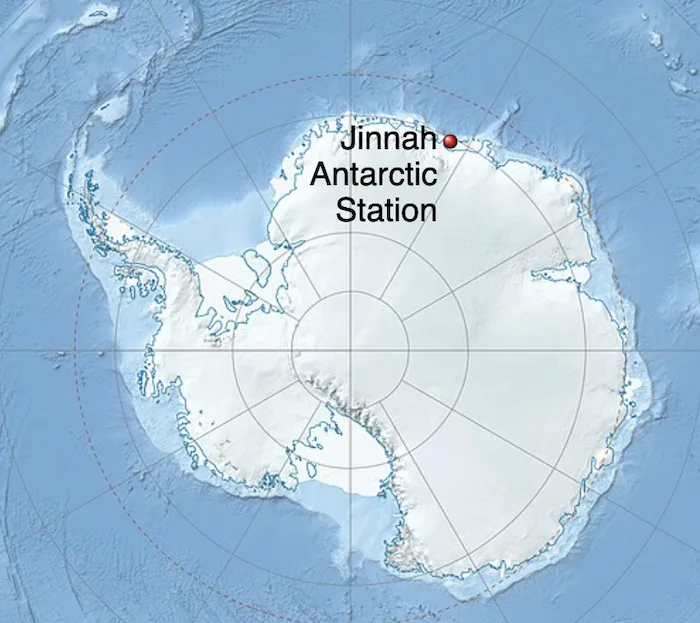
A small musallah (prayer area) was established inside the main living module, oriented toward Mecca using calculated qibla directions specific to the Antarctic region.
Antarctic Treaty protocols respect all forms of religious observance across research stations. The Government of Pakistan confirmed the station remains active today, with ongoing research and religious accommodation for personnel.
The station is named for Muhammad Ali Jinnah, founder of Pakistan.
Important events held within the framework of the imam-khatibs seminar

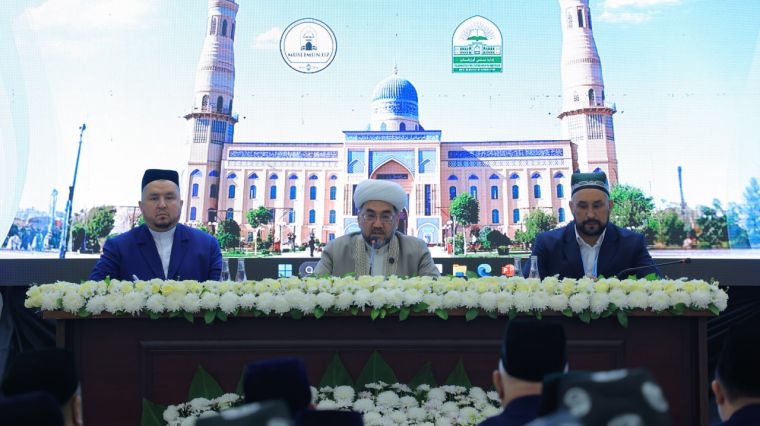
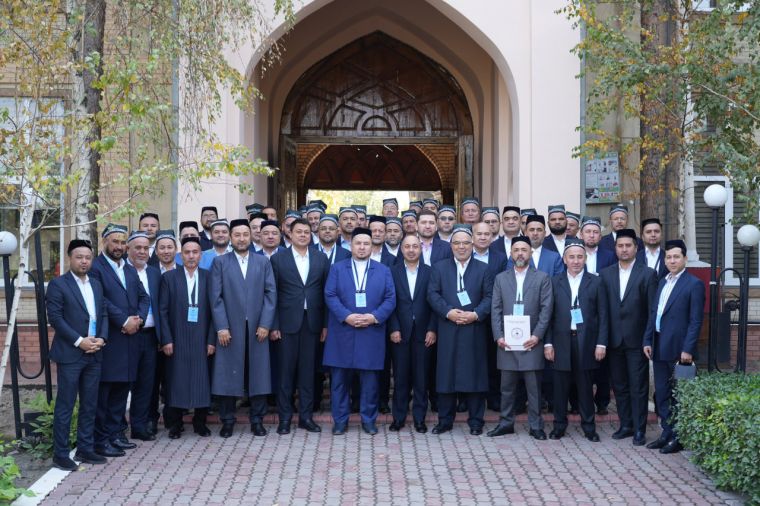
A series of key events took place as part of a scientific-practical seminar held in Andijan Region, aimed at enhancing the effectiveness of imam-khatibs’ activities.
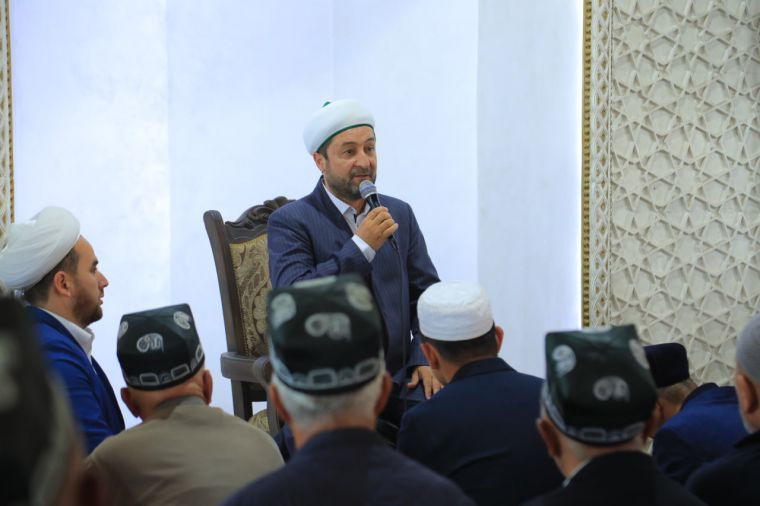
The Chairman of the Muslim Board of Uzbekistan, Mufti Sheikh Nuriddin Kholiqnazar, performed the Zuhr prayer at the “Hazrati Bilol” mosque and delivered an inspiring sermon to the worshippers.
The Mufti also visited the children residing at the “Muruvvat” Boarding School for Children with Disabilities in the Kurgantepa District to check on their well-being.
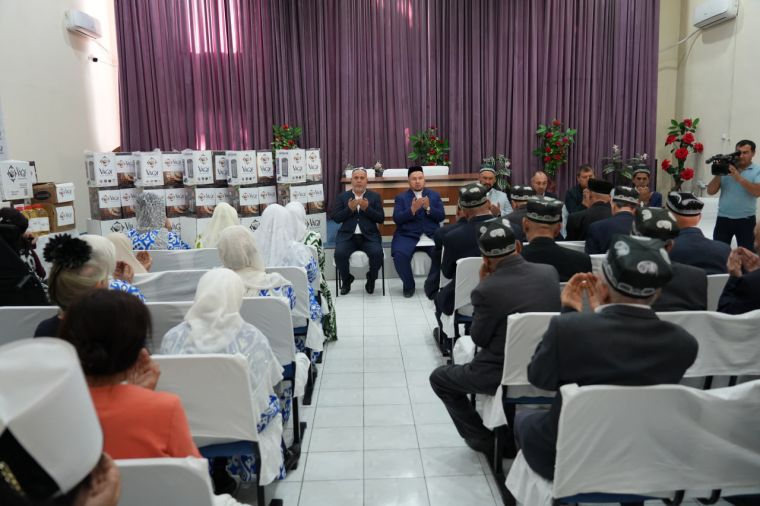
Deputy Muftis, officials of the Waqf Foundation, and regional chief imams visited the Social Protection Center in Andijan City, a residence for the elderly, lonely, and disabled. They donated household appliances, food products, and hygiene items.
During these scientific and practical events, participants established a close dialogue with the public.
Imams, female religious teachers, local community activists, and “Hajj-2025” pilgrims reached out to needy and problematic households in the local neighborhoods, successfully reconciling 80 families across seven different categories.
Translated by Sirotulloh Muhammadsoliyev