The site is working in test mode!
17 July, 2026   |   3 Ṣafar, 1448

Tashkent city
Fajr
03:24
Sunrise
04:59
Dhuhr
12:34
Asr
17:40
Maghrib
19:58
Isha
21:30
Bismillah
17 July, 2026, 3 Ṣafar, 1448

First Place In Antarctica Where Salah Was Performed: Jinnah Antarctic Station

16.10.2025   68969   1 min.
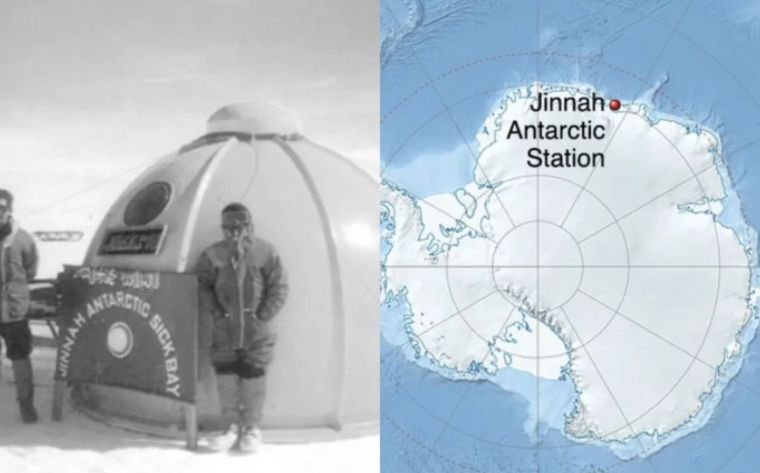
First Place In Antarctica Where Salah Was Performed: Jinnah Antarctic Station

Jinnah Antarctic Research Station, operational since 1991, emerges as likely site of inaugural salah in Antarctica amid Pakistan’s polar scientific missions.

The Jinnah Antarctic Station, Pakistan’s permanent research facility established in 1991, is recognized as the first confirmed location where Islamic prayers (salah) were performed on the Antarctic continent.

Situated in the East Antarctic region, the station has served as a scientific and logistical base for decades.
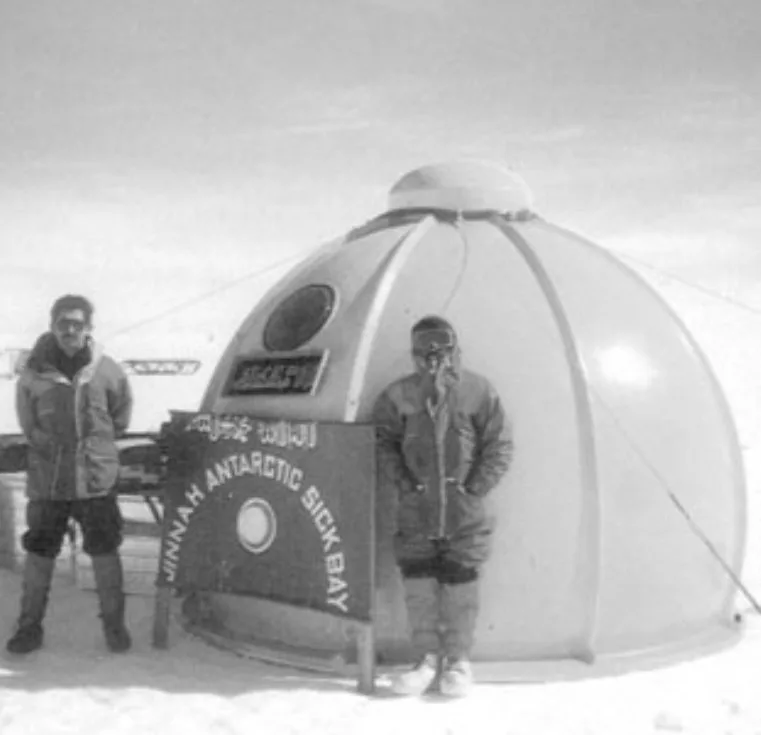
jinnah antarctic

Operated by Pakistan’s National Institute of Oceanography, the station conducts year-round studies in glaciology, marine biology, and climate science.

Since its inauguration, Muslim members of winter-over teams have maintained prayer routines within designated spaces at the base, despite extreme cold, months-long darkness, and isolation.

While informal worship likely occurred earlier during transient expeditions, documented communal prayers began with the station’s continuous operation.
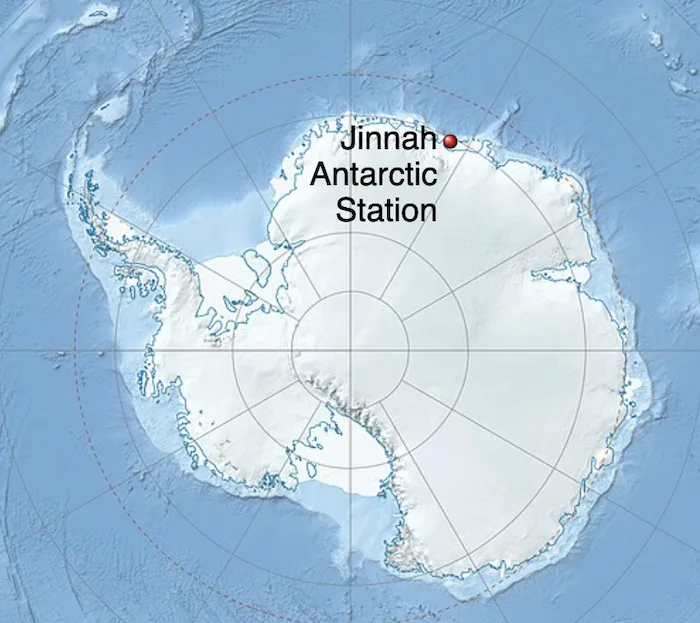
jinnah antarctic station unit

A small musallah (prayer area) was established inside the main living module, oriented toward Mecca using calculated qibla directions specific to the Antarctic region.

Antarctic Treaty protocols respect all forms of religious observance across research stations. The Government of Pakistan confirmed the station remains active today, with ongoing research and religious accommodation for personnel.

The station is named for Muhammad Ali Jinnah, founder of Pakistan.

Other posts
News

First International Forum of Islamic Civilization receives wide coverage in Turkish Media

14.07.2026   12260   2 min.
First International Forum of Islamic Civilization receives wide coverage in Turkish Media

The 1st International Forum of Islamic Civilization, which recently concluded in Uzbekistan, has received extensive coverage in Türkiye’s leading media outlets - including “Anadolu” News Agency, and news networks “TRT Avaz”, “Haber7”, “Hibya”, “Yerköy”, “TRT Haber”, “RHA Ajans”, “Yeni Şafak” and “Türkiye”, reports Dunyo IA.

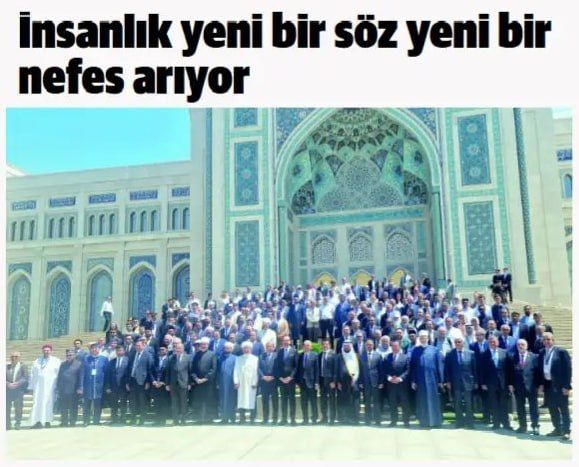
An article in the “Yeni Şafak” newspaper, titled “Humanity is looking for a new word, a new breath”, notes that the spiritual heritage of such great thinkers as Imam al-Bukhari, Imam at-Tirmidhi and Imam al-Maturidi embodies the universal values that humanity so deeply needs today.

On the pages of “Haber7”, one of Turkey's most authoritative and popular information portals, an article titled “Renaissance era suits Uzbekistan exceptionally well” was published by Mürsel Gündoğdu, a Maturidism researcher and author. The publication highly praises the reforms underway in New Uzbekistan within the framework of the Third Renaissance concept, the activities of the Center of Islamic Civilization in Uzbekistan, and the international significance of the 1st International Forum of Islamic Civilization, held under the motto “The Path of Peace, tolerance and enlightenment”. It is specifically noted that the forum is taking place with the participation of authoritative international organizations and scholars from various countries around the world.

The daily newspaper Türkiye, which has a circulation of approximately 100,000 copies, published an article titled “A bridge between science and diplomacy is being built in Tashkent”. It emphasizes that at a time when global geopolitics is undergoing painful transformations and threats such as radicalism and Islamophobia undermine international stability, constructive initiatives emerging from the cradles of ancient civilizations serve as a strategic compass for all of humanity. The 1st International Forum of Islamic Civilization, held at the majestic Center of Islamic Civilization in the capital of Uzbekistan, Tashkent, went far beyond the scope of a regional cultural event, transforming into an intellectual bridge guiding global diplomacy.